Q1.In Colossians 2:17 and Hebrews 10:1, how does the New Testament define the Old Testament ceremonial laws, festivals, and sacrificial rites?
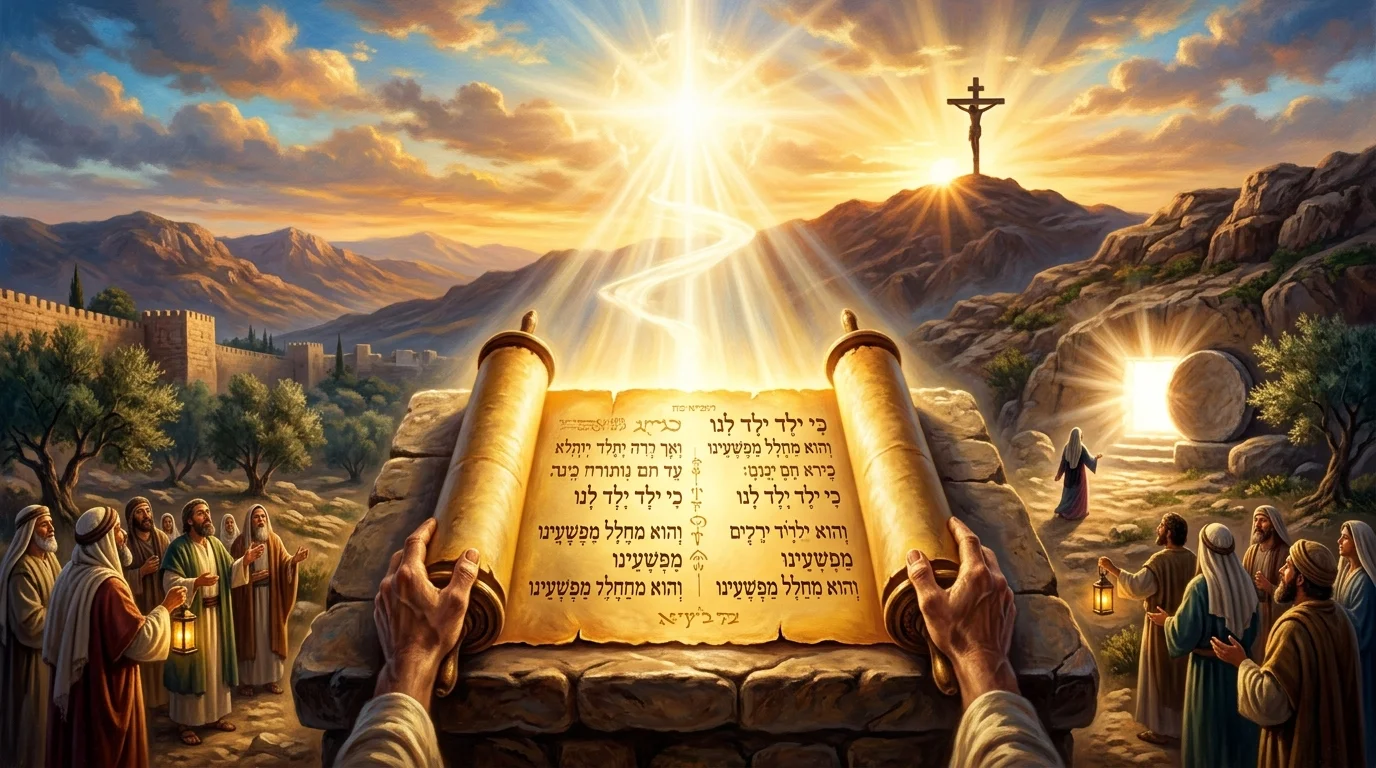
A) "These are a shadow of the things to come, but the substance belongs to Christ" ✓
B) Unrelated folklore of ancient nomadic shepherds
C) Permanent physical requirements for all eternity
D) Pagan superstitions adopted from Babylon
Scriptural Explanation: Colossians 2:17; Hebrews 10:1 - 'These are a shadow of the things to come, but the substance belongs to Christ... For since the law has but a shadow of the good things to come instead of the true form of these realities.' Old Testament types prefigured the reality found in Jesus.
Q2.In Romans 5:14 and 1 Corinthians 15:45, in what theological way was Adam declared to be a type (*typos*) of Christ?
A) Adam was the federal head of fallen humanity through whose disobedience death came; Christ is the Last Adam bringing life and righteousness ✓
B) Both were born inside the Holy Temple of Jerusalem
C) Both built ships to cross the Mediterranean Sea
D) Both ruled as kings in Egypt for forty years
Scriptural Explanation: Romans 5:14; 1 Corinthians 15:45 - 'Yet death reigned from Adam to Moses, even over those whose sinning was not like the transgression of Adam, who was a type of the one who was to come... Thus it is written, "The first man Adam became a living being"; the last Adam became a life-giving spirit.'
Q3.In Genesis 14:18-20 and Hebrews 7:1-3, how is Melchizedek, King of Salem and Priest of God Most High, a type of Christ's eternal priesthood?
A) Without father, mother, or genealogy, having neither beginning of days nor end of life, resembling the Son of God, remaining a priest continually ✓
B) He was an earthly Levite appointed under Moses' Law
C) He ruled over the Roman Senate in Greece
D) He built the tabernacle in the wilderness of Sin
Scriptural Explanation: Hebrews 7:1-3 - 'He is without father or mother or genealogy, having neither beginning of days nor end of life, but resembling the Son of God he continues a priest forever.' Christ is a priest forever after the order of Melchizedek (Ps 110:4), superior to the temporary Levitical order.
Q4.In Genesis 22:1-14, how does Abraham's offering of his beloved son Isaac upon Mount Moriah prefigure God's sacrifice of Jesus?
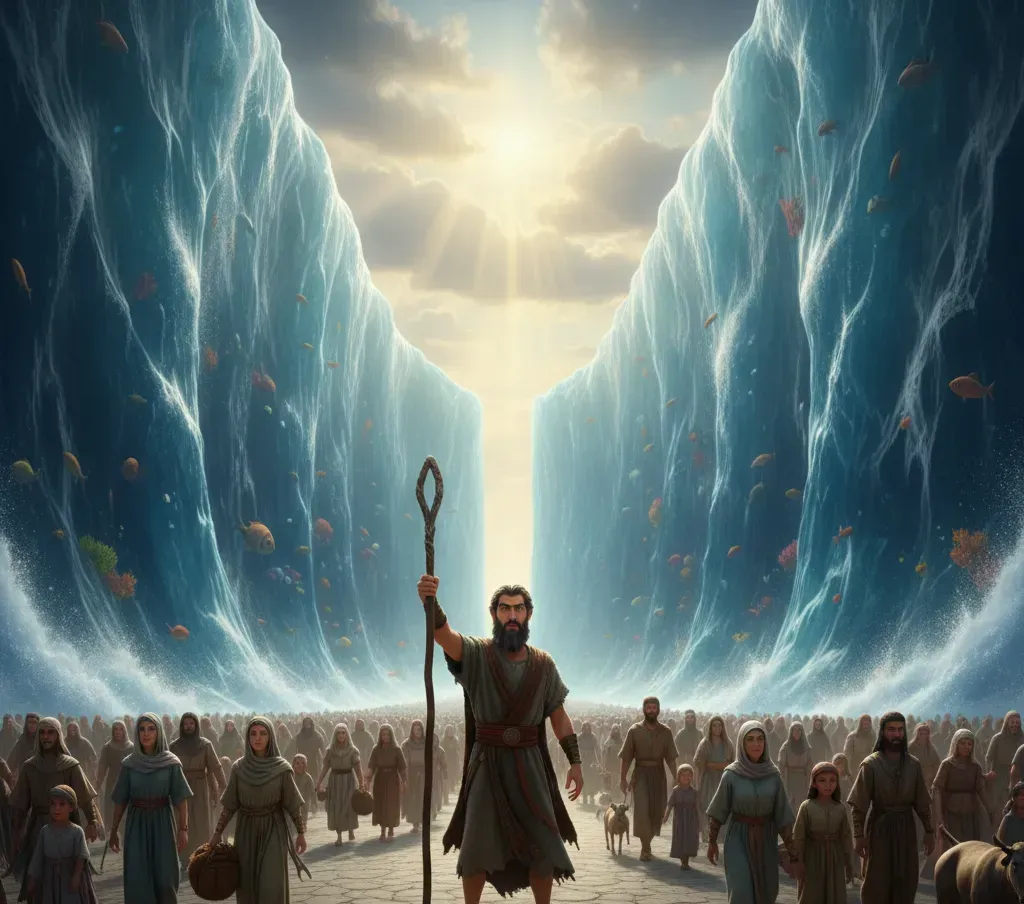
A) The beloved only son carried the wood for the burnt offering up the hill, submitted to his father, and a substitute ram caught in the thicket was sacrificed in his place ✓
B) Isaac conquered the Philistines with twelve thousand archers
C) Isaac built an altar inside Egypt's capital
D) Abraham refused to obey God and fled to Babylon
Scriptural Explanation: Genesis 22:6, 13; Hebrews 11:17-19 - Isaac carried the wood up Moriah just as Christ carried His wooden cross up Golgotha. The ram substituted for Isaac points to Christ the Lamb of God dying in the place of sinners.
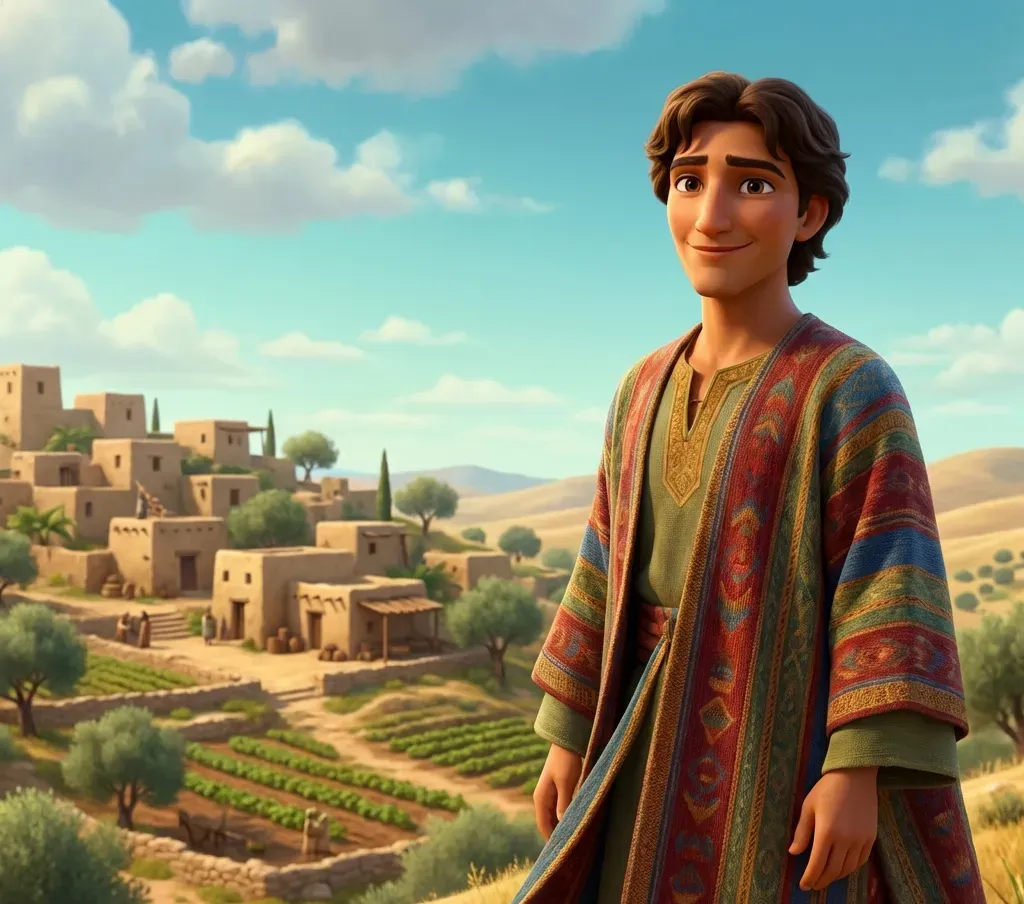
Q5.In Genesis 37-50, in which of the following ways did Joseph's life profoundly typify Jesus Christ?
A) Beloved of his father, rejected and sold by his brothers for silver pieces, falsely accused, exalted to the throne to save the Gentile world, and weeping forgiveness over his brothers ✓
B) He led an army with iron swords against Pharaoh
C) He wrote twenty books in the Greek language
D) He built the Pyramids of Giza with Solomon
Scriptural Explanation: Genesis 37:3, 28; 41:40; 50:20 - Joseph was the beloved son, betrayed for silver (like Judas betrayed Jesus for 30 silver pieces), cast into a pit, suffered unjustly, yet exalted to Pharaoh's right hand to distribute the bread of life to Gentiles and reconcile his brothers.
Q6.In Exodus 12:5 and 1 Peter 1:19, how did the Passover Lamb typify the sacrifice of Jesus Christ?
A) A male lamb without blemish or spot whose shed blood applied to the doorposts delivered households from the wrath of death ✓
B) A wild goat hunted in the desert of Paran
C) A golden statue melted into twenty coins
D) A bullock burned on the heights of Carmel
Scriptural Explanation: Exodus 12:5, 13; 1 Peter 1:18-19 - 'Knowing that you were ransomed... with the precious blood of Christ, like that of a lamb without blemish or spot.' (1 Cor 5:7).
Q7.In Exodus 12:46, Psalm 34:20, and John 19:36, what specific prophecy regarding the Passover Lamb was fulfilled at Christ's crucifixion?
A) "Not one of his bones shall be broken" ✓
B) "His tunic must be burned with fire"
C) "He must be buried under an olive tree in Shiloh"
D) "His disciples must pay ten talents to Rome"
Scriptural Explanation: Exodus 12:46; John 19:33, 36 - While Roman soldiers broke the legs of both thieves to accelerate death, they found Jesus already dead and broke not a bone, fulfilling the strict typology of the Passover lamb.
Q8.In Exodus 16:4 and John 6:32-35, how did the supernatural Manna falling in the wilderness foreshadow Jesus?
A) Jesus declared: "I am the true bread from heaven... whoever comes to Me shall not hunger, and whoever believes in Me shall never thirst" ✓
B) Manna was an earthly grain cultivated by Moses' farmers
C) Manna gave physical immortality to all who ate it in Sin
D) Manna ceased when Israel reached the Nile River
Scriptural Explanation: John 6:32-35 - 'Jesus then said to them, "Truly, truly, I say to you, it was not Moses who gave you the bread from heaven, but my Father gives you the true bread from heaven... I am the bread of life."'
Q9.In Exodus 17:6 and 1 Corinthians 10:4, what did the rock struck by Moses at Horeb to pour out living water represent?
A) "And the Rock was Christ" — struck once for all to release the living water of the Holy Spirit ✓
B) The foundation stone of the Second Temple
C) An underground well dug by Abraham's servants
D) A meteor that fell from the sky in Horeb
Scriptural Explanation: 1 Corinthians 10:4 - 'And all drank the same spiritual drink. For they drank from the spiritual Rock that followed them, and the Rock was Christ.' Christ was struck once at Calvary (Heb 9:28), which is why striking the rock a second time in Numbers 20 broke the divine type.
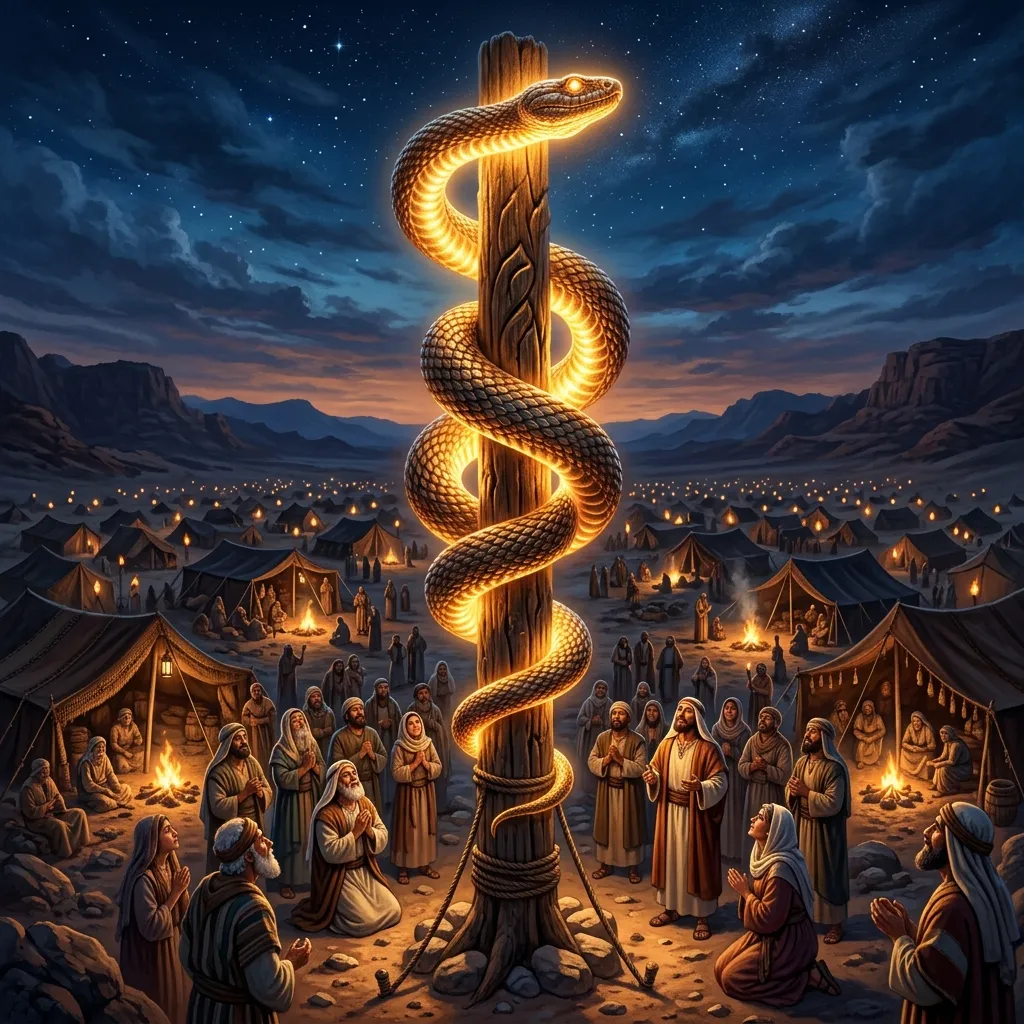
Q10.In Numbers 21:8-9 and John 3:14-15, how did the Bronze Serpent lifted on a pole foreshadow Christ's redemptive work?
A) "As Moses lifted up the serpent in the wilderness, so must the Son of Man be lifted up, that whoever believes in Him may have eternal life" ✓
B) The bronze serpent was an idol Israel carried into the Promised Land
C) It cured only Roman snakebites in Egypt
D) It was crushed into powder by Aaron at Mount Sinai
Scriptural Explanation: John 3:14-15 - 'And as Moses lifted up the serpent in the wilderness, so must the Son of Man be lifted up, that whoever believes in him may have eternal life.' The serpent represented sin judged on the pole; looking by faith brings supernatural healing and life.
Q11.In Numbers 17:8 and Hebrews 9:4, how did Aaron's dead almond rod that supernaturally budded and brought forth almonds overnight prefigure Christ?
A) It prefigured Christ's miraculous bodily resurrection from the dead, confirming His supreme, eternal High Priesthood ✓
B) It was an agricultural blueprint for planting orchards in Canaan
C) It proved that Aaron was wealthier than Korah
D) It served as a physical weapon in the battle of Jericho
Scriptural Explanation: Numbers 17:8; Hebrews 7:16; 9:4 - Aaron's rod was a dry, lifeless stick of wood that overnight sprouted buds, blossoms, and ripe almonds—a vivid foreshadowing of resurrection life out of death, validating Christ's eternal priesthood by the power of an indestructible life.
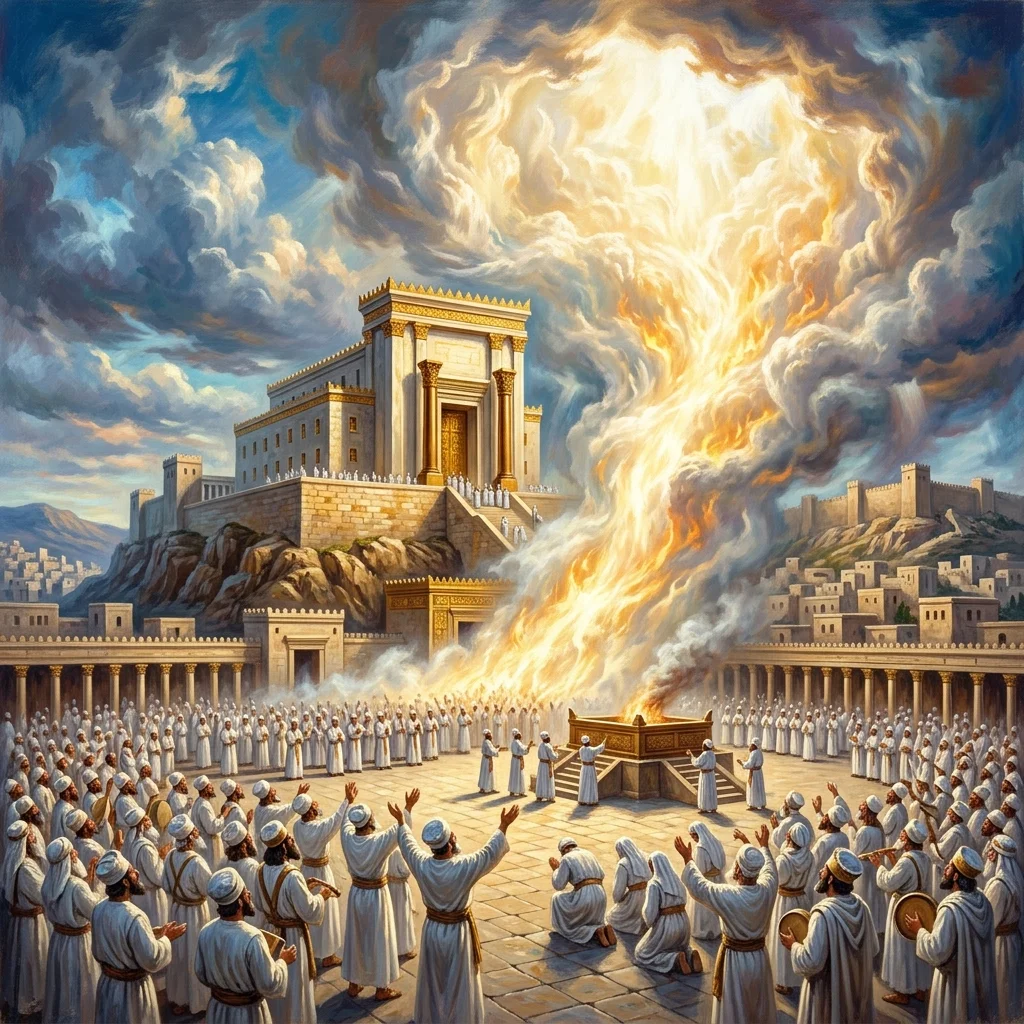
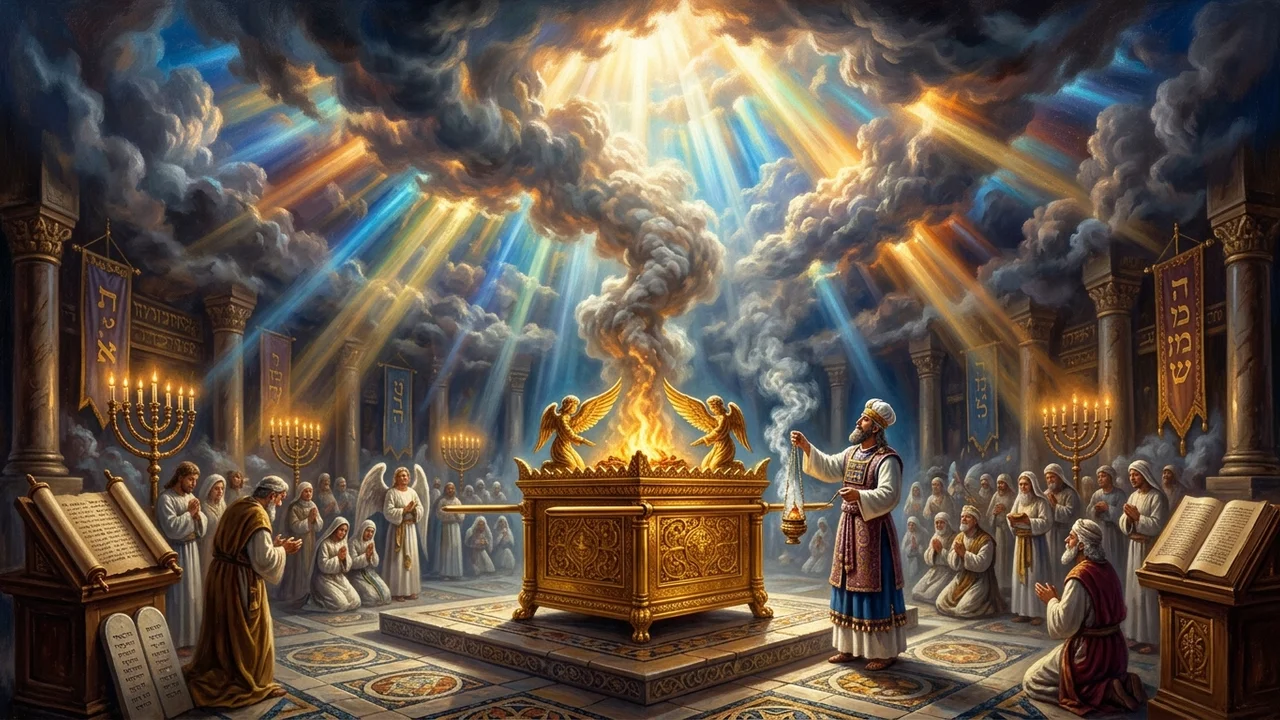
Q12.In Leviticus 16:15 and Hebrews 9:11-12, what did the High Priest entering the Holy of Holies once a year on the Day of Atonement foreshadow?
A) Christ entering once for all into the holy places not made with hands, using His own blood, securing eternal redemption ✓
B) Solomon dedicating the temple with twenty thousand oxen
C) A continuous physical sacrifice required every century in Rome
D) Moses ascending Mount Sinai forty times
Scriptural Explanation: Hebrews 9:11-12 - 'He entered once for all into the holy places, not by means of the blood of goats and calves but by means of his own blood, thus securing an eternal redemption.' Christ is both the spotless Offering and the eternal High Priest.
Q13.In Leviticus 16:21-22, how did the Scapegoat (*Azazel*) upon whose head Aaron confessed all Israel's sins foreshadow Christ?
A) It prefigured Christ bearing our sins away outside the camp into the wilderness of oblivion, separated from us as far as east is from west ✓
B) It was an offering presented to the Philistine gods in Gath
C) It represented Pharaoh's chariots sinking in the sea
D) It was trained to lead sheep across the Jordan River
Scriptural Explanation: Leviticus 16:21-22; Hebrews 13:12 - 'The goat shall bear all their iniquities on itself to a remote area, and he shall let the goat go free in the wilderness.' Fulfilling Psalm 103:12 and Isaiah 53:6: 'the Lord has laid on Him the iniquity of us all.'
Q14.In Numbers 35:9-15 and Hebrews 6:18, what did the six Cities of Refuge where an unintentional manslayer could flee from the avenger of blood represent?
A) Christ as our ultimate Refuge in whom condemned sinners flee to lay hold of eternal hope and escape divine judgment ✓
B) Six fortified military bases for Joshua's army
C) Trading posts established with Tyre and Sidon
D) Cities reserved exclusively for Egyptian diplomats
Scriptural Explanation: Hebrews 6:18 - 'So that by two unchangeable things, in which it is impossible for God to lie, we who have fled for refuge might have strong encouragement to hold fast to the hope set before us.' In Christ the avenger of death has no claim upon us.
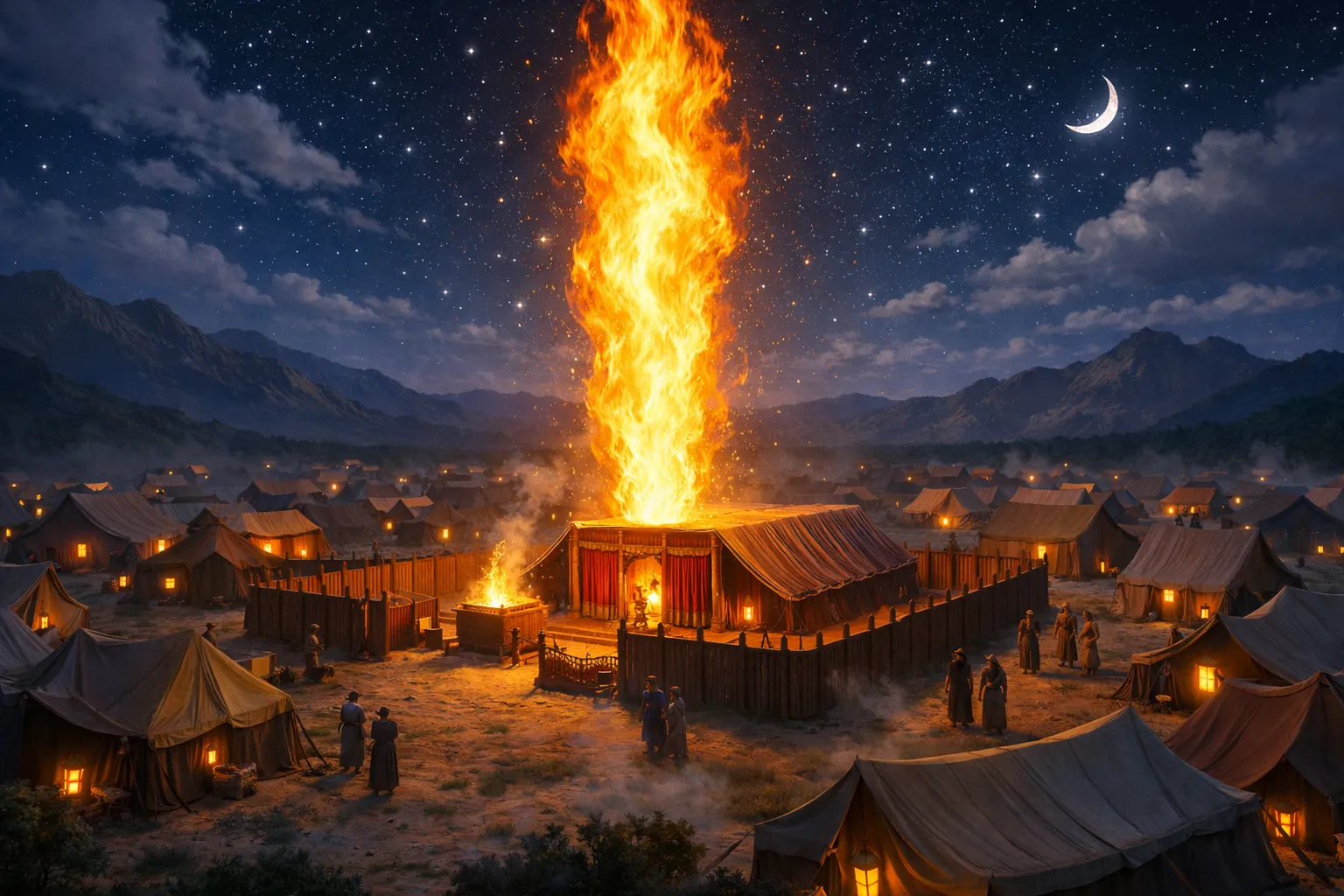
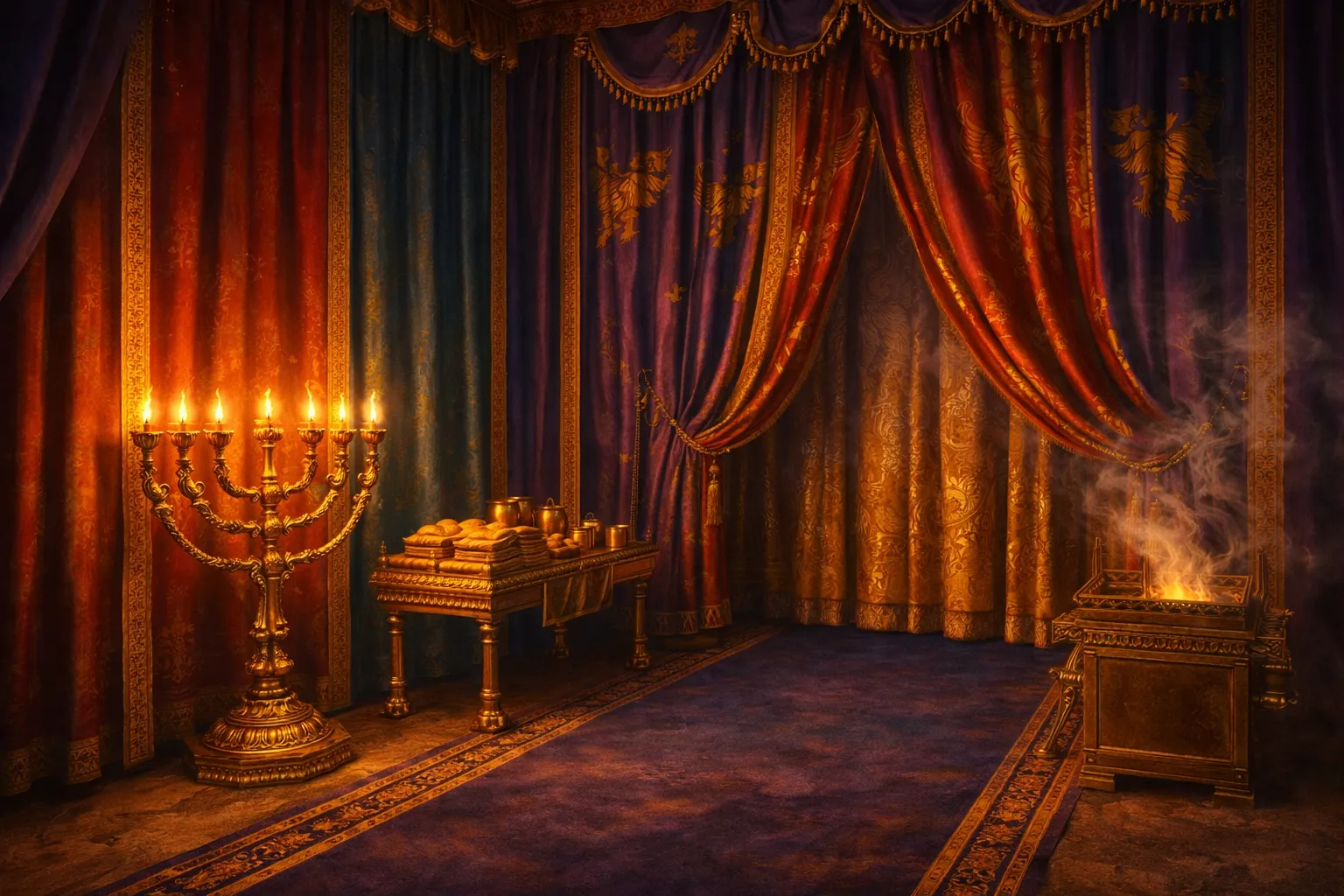
Q15.In Exodus 26:31-33 and Hebrews 10:19-20, what did the inner veil of the Tabernacle dividing the Holy Place from the Most Holy Place represent?
A) The physical body (flesh) of Jesus Christ, torn at His death to open direct access into God's presence ✓
B) A permanent impenetrable barrier that believers can never cross
C) The decorative tapestry woven for Egyptian queens
D) The tent covering Joshua's council
Scriptural Explanation: Hebrews 10:19-20 - 'Therefore, brothers, since we have confidence to enter the holy places by the blood of Jesus, by the new and living way that he opened for us through the curtain, that is, through his flesh.' Torn at Calvary (Matt 27:51).
Q16.In Exodus 25:10-22, how did the Ark of the Covenant constructed of acacia wood overlaid with pure gold typify Christ's dual nature?
A) Acacia wood (earthly, incorruptible tree) represented His pure humanity; pure gold overlaid within and without represented His divine deity ✓
B) It was built solely to display Solomon's treasury
C) Wood represented the weakness of Israel's kings
D) Gold represented the taxation system of Egypt
Scriptural Explanation: Exodus 25:10-11 - Acacia wood grew in desert soil without rotting (incorruptible humanity), while pure gold represented uncreated, heavenly deity. Jesus is the God-Man: fully human and fully divine (Col 2:9).
Q17.In Ruth 4:1-10 and Ephesians 5:25-27, how did Boaz acting as the Kinsman-Redeemer (*Goel*) for Ruth the Moabitess typify Christ?
A) He was a near kinsman with the right, the wealth, and the willing heart to redeem a destitute Gentile bride and restore her heritage ✓
B) He was an Egyptian general who conquered Bethlehem
C) He forced Naomi to return to Moab
D) He sold the threshing floor to the Philistines
Scriptural Explanation: Ruth 4:9-10; Ephesians 5:25 - The Goel (Kinsman-Redeemer) had to be a blood relative, able to pay the purchase price, and willing to redeem. Christ became our Kinsman by incarnation (Heb 2:14), paid the price with His blood, and took the Gentile Church as His beloved Bride.
Q18.In Jonah 1:17 and Matthew 12:40, what did Jesus designate as 'the sign of the prophet Jonah' regarding His burial and resurrection?
A) "For just as Jonah was three days and three nights in the belly of the great fish, so will the Son of Man be three days and three nights in the heart of the earth" ✓
B) Jonah's ship sailing across the Red Sea
C) The castor oil plant growing in Nineveh
D) The storm that battered the harbor of Joppa
Scriptural Explanation: Matthew 12:39-40 - '"An evil and adulterous generation seeks for a sign, but no sign will be given to it except the sign of the prophet Jonah. For just as Jonah was three days and three nights in the belly of the great fish, so will the Son of Man be three days and three nights in the heart of the earth."'
Q19.In Joshua 1:1-6 and Hebrews 4:8-10, how does Joshua leading Israel across the Jordan into the Promised Land typify Christ over Moses?
A) Moses (representing the Law) could only bring Israel to the border, but Joshua (Hebrew: Yeshua / Jesus) brings God's people into their true rest and inheritance ✓
B) Joshua had more golden chariots than Moses
C) Moses built stone monuments while Joshua built ships
D) Joshua established Egyptian tax laws in Canaan
Scriptural Explanation: Hebrews 4:8-9 - 'For if Joshua had given them rest, God would not have spoken of another day later on. So then, there remains a Sabbath rest for the people of God.' Joshua (whose Hebrew name Yeshua means 'Yahweh saves'—the identical name of Jesus) brings the believers into grace, which the Law could never accomplish.
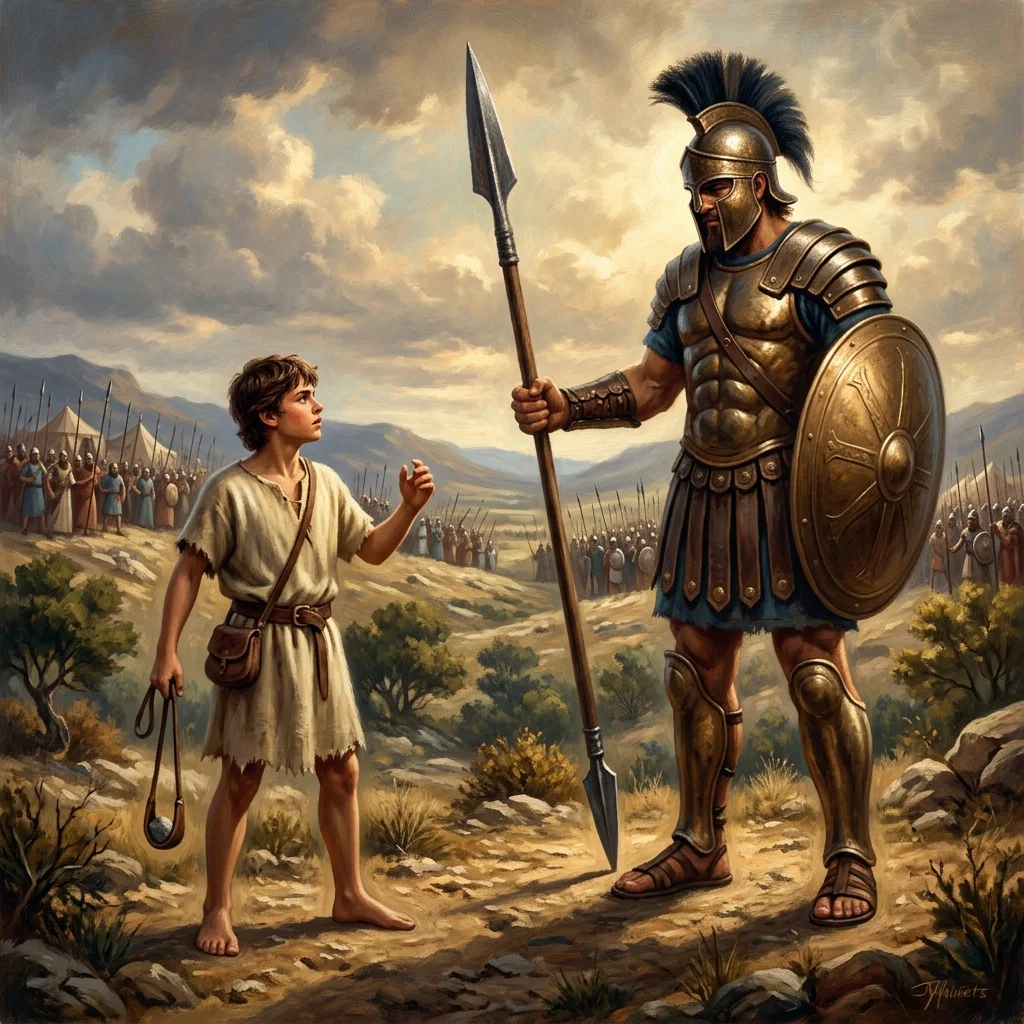
Q20.In 1 Samuel 17:48-51, how did young David defeating Goliath in the Valley of Elah foreshadow Christ's victory on the cross?
A) An anointed, rejected shepherd youth championed terrified Israel, destroying their greatest enemy with the giant's own sword, delivering his people without their lifting a spear ✓
B) David used forty thousand Roman cavalrymen
C) Goliath offered gold to spare the tribes
D) Saul defeated Goliath single-handedly on Mount Gilboa
Scriptural Explanation: 1 Samuel 17:50-51; Colossians 2:15; Hebrews 2:14 - Just as David slew the champion of the Philistines and cut off his head with his own sword to deliver Israel, so Christ entered the battlefield alone, disarmed the powers through death itself, and gave total victory to His people.