Women of the Bible
Inspiring Lives of Faith, Courage, and Redemption
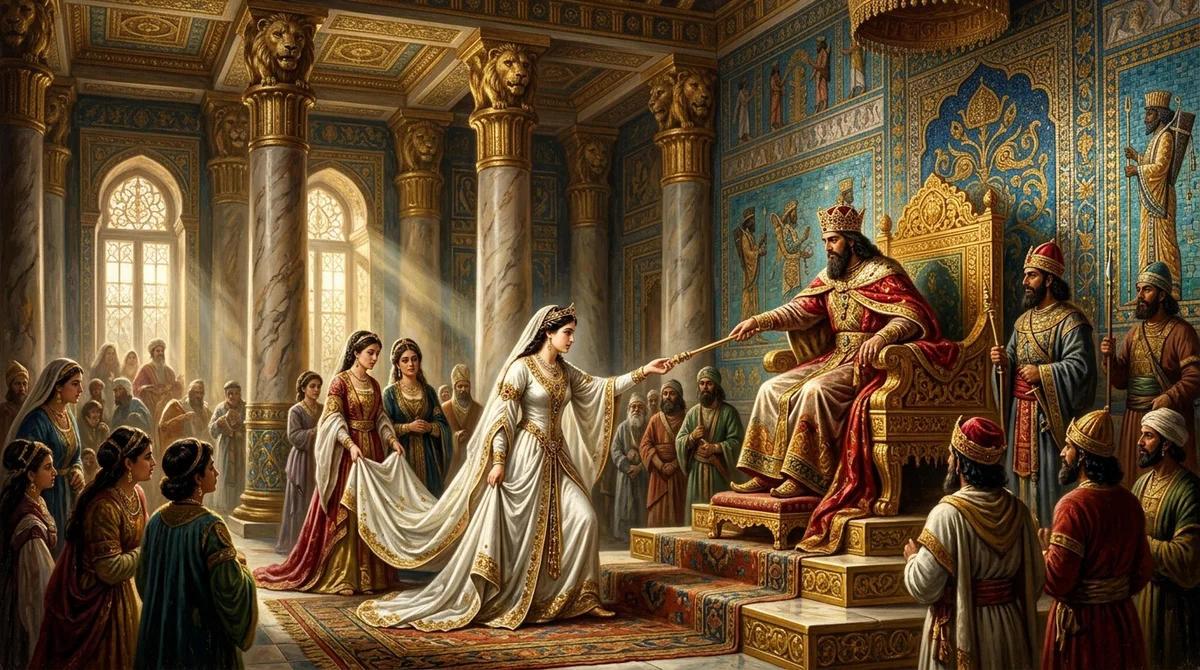
Queen Esther: Courage, Providence, and "For Such a Time as This"
The thrilling story of Hadassah, an orphaned Jewish exile who rose to become Queen of Persia. Through bold fasting, wisdom, and selfless courage, she risked her life before King Ahasuerus to overturn Haman's genocidal decree and save her people.
Read Full Study →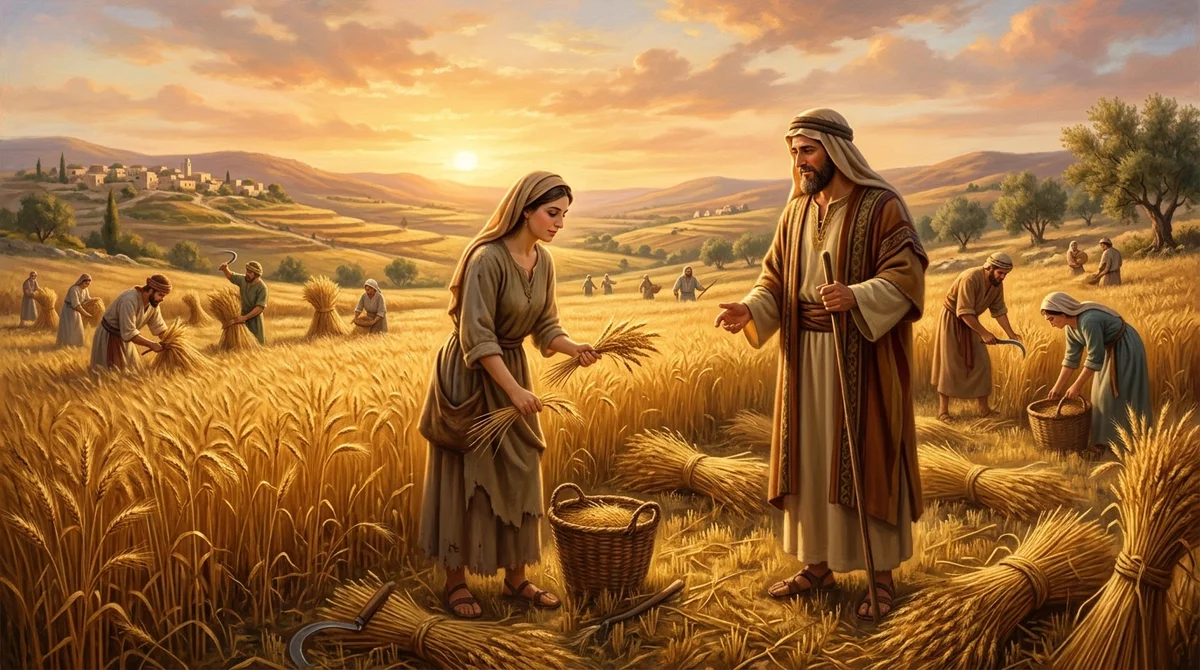
Ruth the Moabite: Covenant Loyalty, Redemption, and the Royal Lineage
The touching account of Ruth, a widowed young Moabite woman who abandoned pagan gods to cling to her grieving mother-in-law Naomi. Through unwavering loyalty, humility, and the grace of Boaz the Kinsman-Redeemer, she became the great-grandmother of King David and an ancestor of Jesus Christ.
Read Full Study →
Mary Magdalene: Radical Deliverance, Devotion, and First Witness to the Risen Christ
Delivered from seven tormenting demons by Jesus, Mary of Magdala became one of His most devoted disciples. Standing faithfully at the cross when others fled, she was chosen by the Risen Christ to be the first witness of the Resurrection and the "Apostle to the Apostles."
Read Full Study →
Rahab of Jericho: The Scarlet Cord of Faith and Covenant Salvation
The dramatic account of Rahab, a Canaanite woman in fortified Jericho who placed her faith in Yahweh after hearing of His wonders. By hiding the Israelite spies and tying a scarlet cord in her window, she saved her entire household and became an ancestor of King David and Jesus Christ.
Read Full Study →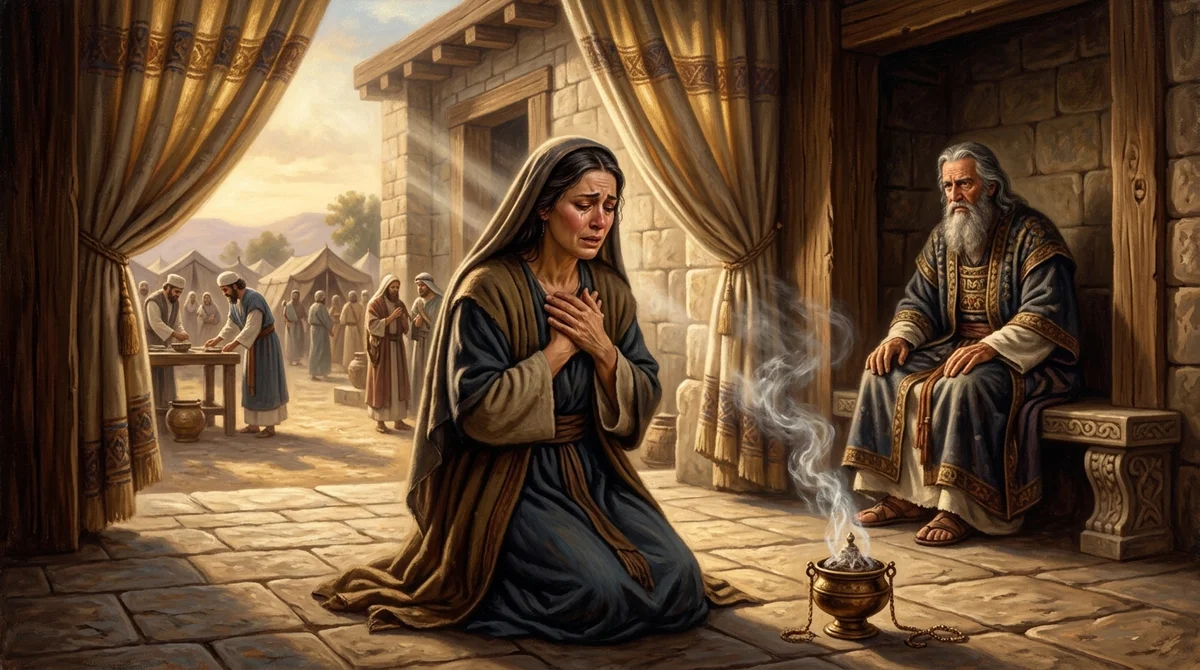
Hannah: Barren Tears, Prophetic Prayer, and Dedicated Motherhood
The moving story of Hannah, a childless woman who turned her deep grief and bitter mockery into fervent, poured-out prayer before the Tabernacle in Shiloh. God answered her desperate vow with the birth of Samuel, the great prophet and kingmaker of Israel.
Read Full Study →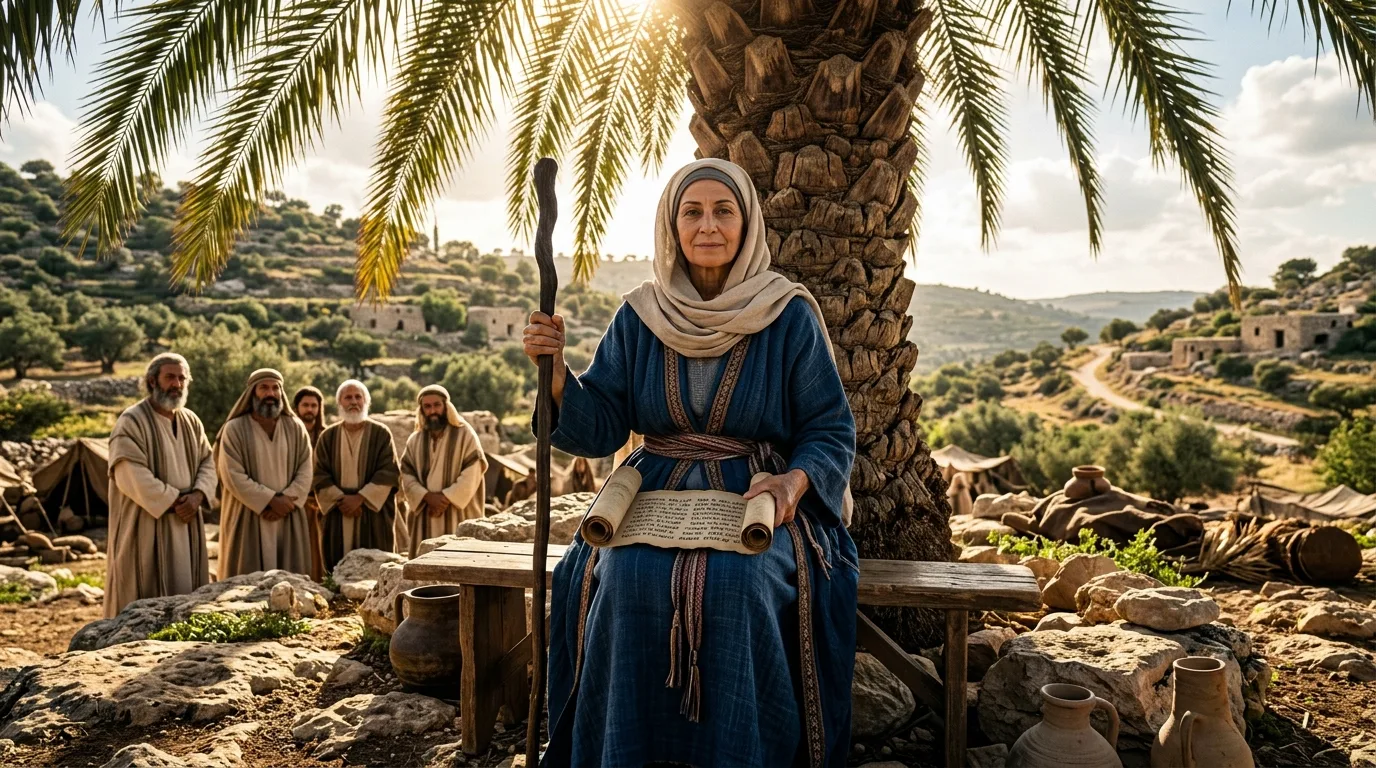
Deborah: Prophetess, Judge, and Mother in Israel
The inspiring narrative of Deborah, the only female judge of ancient Israel, who held court under the Palm of Deborah in Ephraim. A woman of extraordinary wisdom, prophetic authority, and courageous faith, she rallied Commander Barak and the northern tribes to break the 20-year iron chariot tyranny of Canaanite King Jabin and General Sisera.
Read Full Study →
Mary of Nazareth: The Handmaid of the Lord and Mother of Jesus
The profound journey of Mary of Nazareth, a humble Jewish maiden chosen by God to bear the Savior of the world. From her radical surrender at the Annunciation ('Let it be to me according to your word') to the agony of the Cross and the joy of Pentecost, Mary exemplifies the pinnacle of humble faith, maternal devotion, and quiet obedience.
Read Full Study →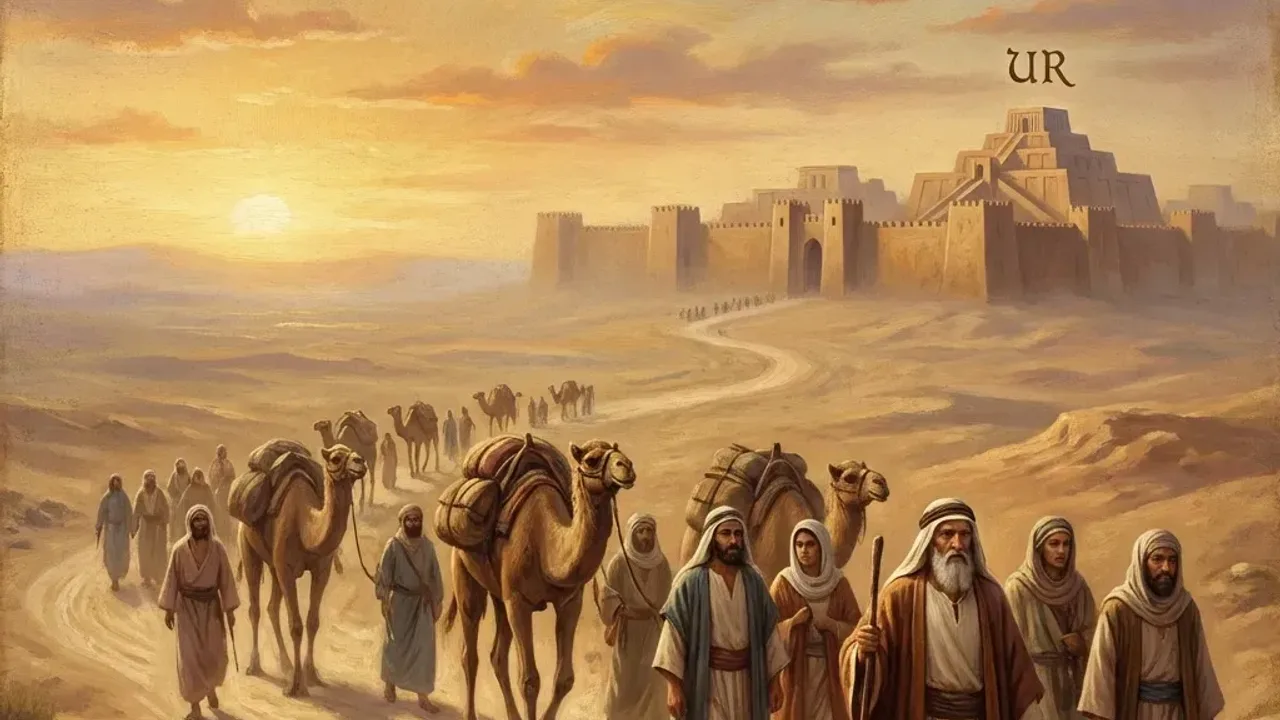
Sarah: Mother of Nations, Barrenness, and the Laughter of Promise
The epic saga of Sarah (originally Sarai), who journeyed by faith from Ur of the Chaldeans into Canaan alongside Abraham. Enduring decades of agonizing barrenness, she laughed in disbelief at God's promise of a child in her old age—yet through divine power, at age ninety, she gave birth to Isaac ('Laughter'), becoming the matriarch of the covenant and the mother of kings and nations.
Read Full Study →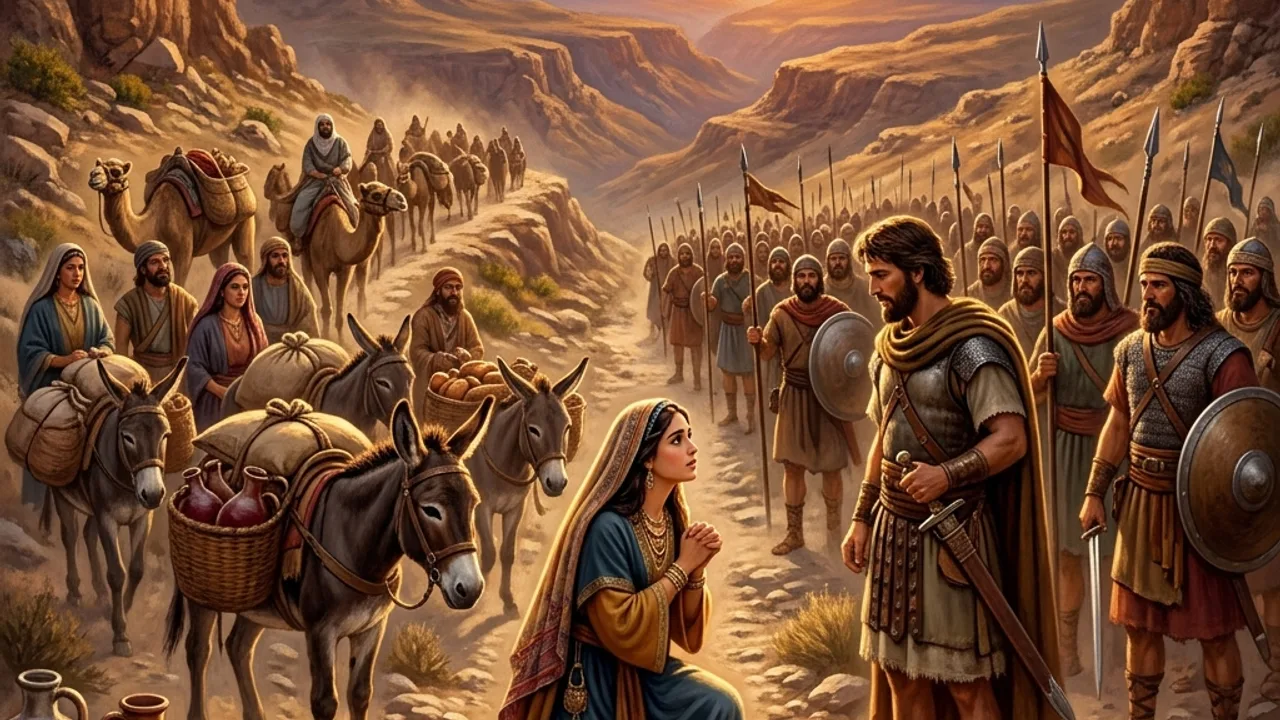
Abigail: Radiant Wisdom, Peacemaking, and Prophetic Intercession
The dramatic story of Abigail, a woman of rare intelligence and breathtaking beauty married to the wealthy, foolish, and harsh landowner Nabal. When Nabal insulted David's men and triggered a deadly military retaliation, Abigail rode out on donkeys with massive provisions, fell at David's feet, and delivered a profound prophetic intercession that averted a bloodbath and preserved David's royal destiny.
Read Full Study →
Miriam: Prophetess of the Exodus, Song of Deliverance, and the Price of Pride
The stirring saga of Miriam, the elder sister of Moses and Aaron, who watched over baby Moses in the reeds of the Nile, led Israel's women in triumphant tambourine praise after the Red Sea crossing, and served alongside her brothers as a prophetess and leader of the Exodus. Her life reveals the beauty of worshipful leadership and the sobering warning against jealousy and pride.
Read Full Study →
Priscilla: Apostolic Teacher, Tentmaker, and Co-Laborer in Christ
The pioneering life of Priscilla (Prisca), who alongside her husband Aquila worked as a tentmaker, hosted house churches across the Roman Empire, risked her life for the Apostle Paul, and theologically mentored the eloquent preacher Apollos, explaining the way of God more accurately.
Read Full Study →
Lydia of Thyatira: Seller of Purple and Europe's First Convert
The historic conversion of Lydia, an enterprising merchant of royal purple dye from Thyatira living in Philippi. When the Apostle Paul crossed into Europe following the Macedonian vision, the Lord opened Lydia's heart by the Gangites riverbank. Baptized with her entire household, she established her villa as the cradle and fortress of the first European church.
Read Full Study →
Elizabeth: Righteous Waiting, Barrenness Healed, and Mother of the Forerunner
The moving story of Elizabeth, a righteous daughter of Aaron who walked blamelessly before God while enduring decades of societal shame from barrenness. In her advanced old age, God visited her with the miraculous conception of John the Baptist—the fiery forerunner of the Messiah—and filled her with the Holy Spirit to prophetically bless Mary.
Read Full Study →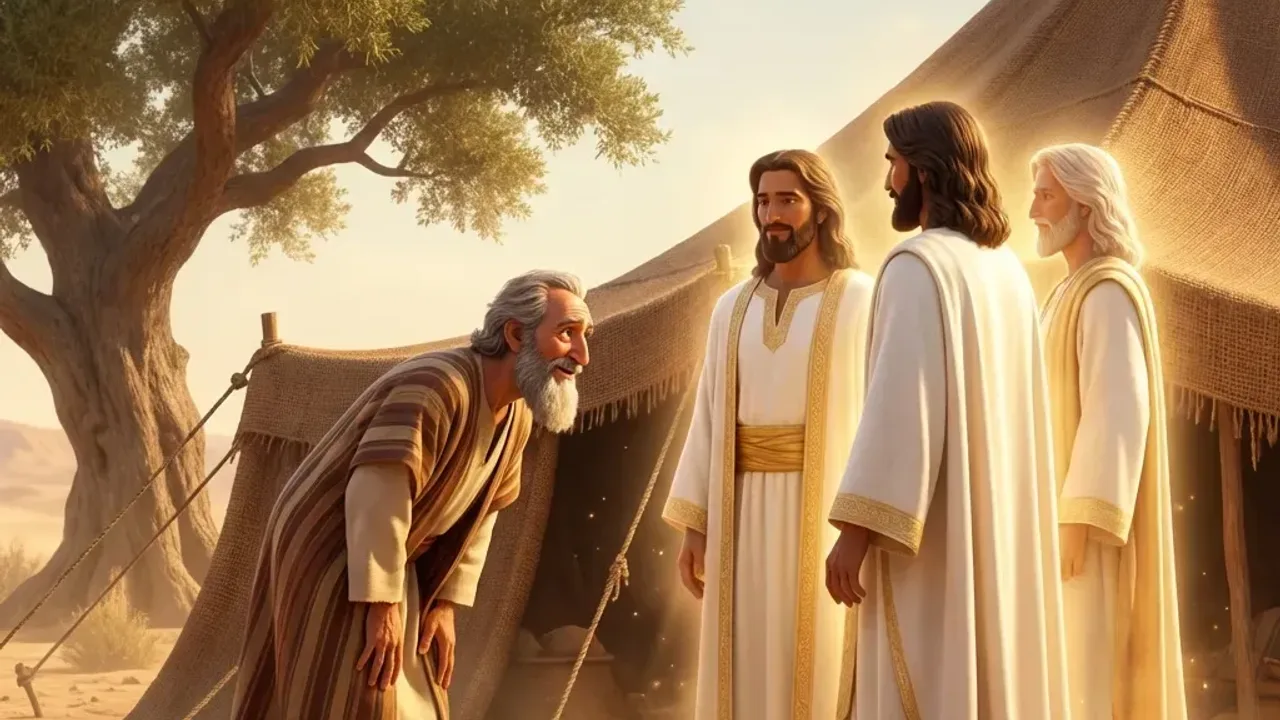
Hagar: The Wilderness Wanderer, El Roi, and the God Who Sees
The poignant narrative of Hagar, an Egyptian slave girl caught in the domestic crossfire of the patriarchal home. Fleeing into the burning desert, she encountered the Angel of the LORD by a spring of water, becoming the only person in the entire Bible to give God a personal name: El Roi—'The God Who Sees Me.' Her story reveals God’s tender compassion for the rejected and outcast.
Read Full Study →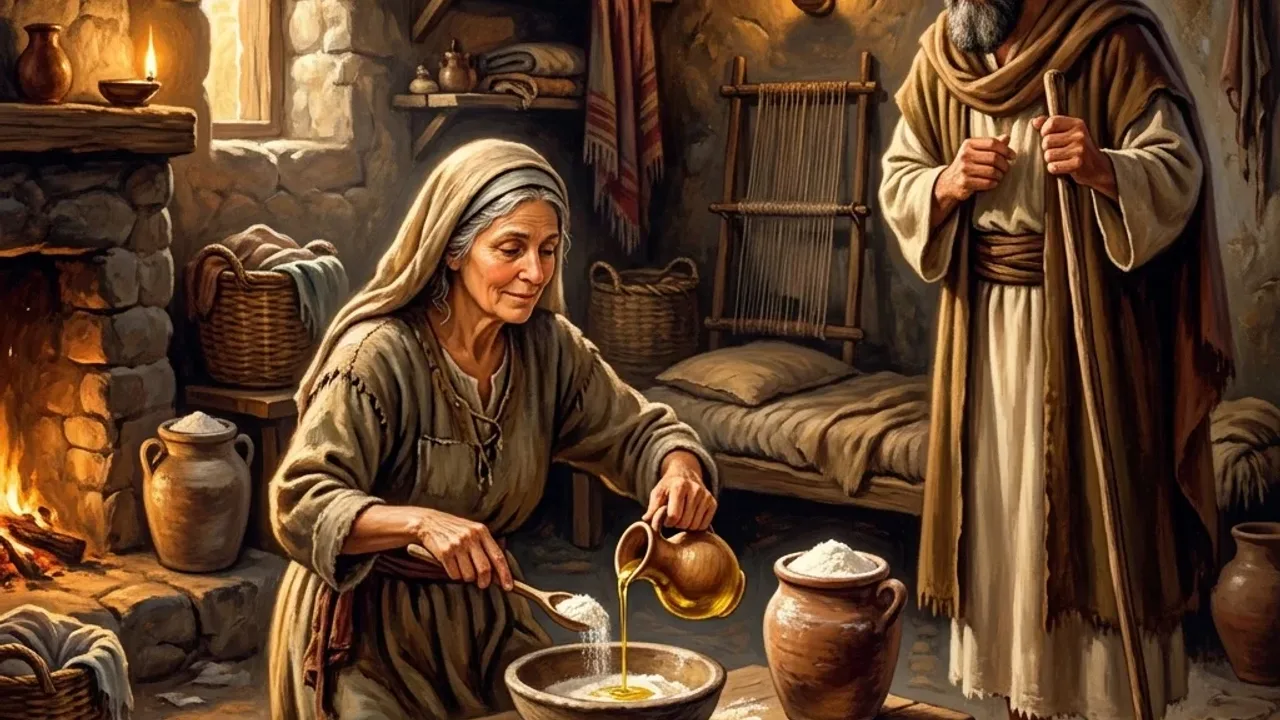
Dorcas (Tabitha): Abounding in Good Deeds, Weeping Widows, and Resurrection Power
The inspiring account of Dorcas (Tabitha), a beloved disciple in the Mediterranean port city of Joppa renowned for her boundless charity and hand-stitched garments for destitute widows. When she fell sick and died, the weeping community summoned the Apostle Peter, who knelt in prayer and raised her from the dead, sparking widespread faith across the region.
Read Full Study →Theological & Historical Study Guide
In the patriarchal world of the ancient Near East and Greco-Roman society, the Holy Bible stands out for its radical, dignified elevation of women. Far from being passive footnotes, women in Scripture were chosen by God as prophets, judges, queens, covenant preservers, and direct ancestors of the Messiah.
The biblical portrait of womanhood is multidimensional and courageous. Deborah led Israel into military victory when men shrank back in fear; Esther risked execution in the Persian court to save her people from genocide; Ruth demonstrated unshakeable covenant loyalty in poverty; Hannah birthed a prophetic revival through tearful intercession; and Mary of Nazareth uttered the revolutionary Magnificat as the humble handmaid of the Incarnation.
Bible Hunger examines these extraordinary lives with exegetical rigor, exploring their cultural obstacles, spiritual triumphs, and lasting legacy. Their stories teach modern believers that God values devotion, moral courage, and quiet faith far above worldly power and prestige.
Foundational Principles & Themes
Courage in the Face of Tyranny
Deborah and Esther defied imperial terror and military odds, stepping forward in faith: "If I perish, I perish."
Covenant Loyalty in Poverty & Exile
Ruth the Moabitess and Rahab of Jericho broke cultural boundaries through radical faith, entering the royal lineage of King David and Jesus Christ.
The Power of Weeping Intercession
Hannah poured out her soul before Yahweh in deep distress, transforming personal barrenness into national prophetic revival through the birth of Samuel.
The Handmaid of the Messiah
Mary surrendered her reputation and future to the sovereignty of God, singing the Magnificat as she bore the Savior of the world.
Biblical Questions & Exegetical Answers
Why are five women specifically included in the genealogy of Jesus in Matthew 1?
Matthew intentionally includes Tamar, Rahab, Ruth, Bathsheba (Uriah’s wife), and Mary to demonstrate that God’s grace transcends ethnic outsider status, moral brokenness, and human scandal to weave together His redemptive family.
What leadership roles did women hold in the biblical narrative?
Women served as political judges and military commanders (Deborah), prophets (Miriam, Huldah, Anna), queens and geopolitical deliverers (Esther), financial patrons of Jesus’ ministry (Luke 8:1–3), and business leaders and church hosts (Lydia, Priscilla).
What was the significance of women being the first witnesses of the resurrection?
In 1st-century antiquity, a woman’s testimony was often dismissed in legal courts. By entrusting Mary Magdalene and other women with the apostolic proclamation of the empty tomb, God dramatically affirmed female dignity and validated the historical authenticity of the resurrection.