God's Commandments
From the Ten to the Two Greatest
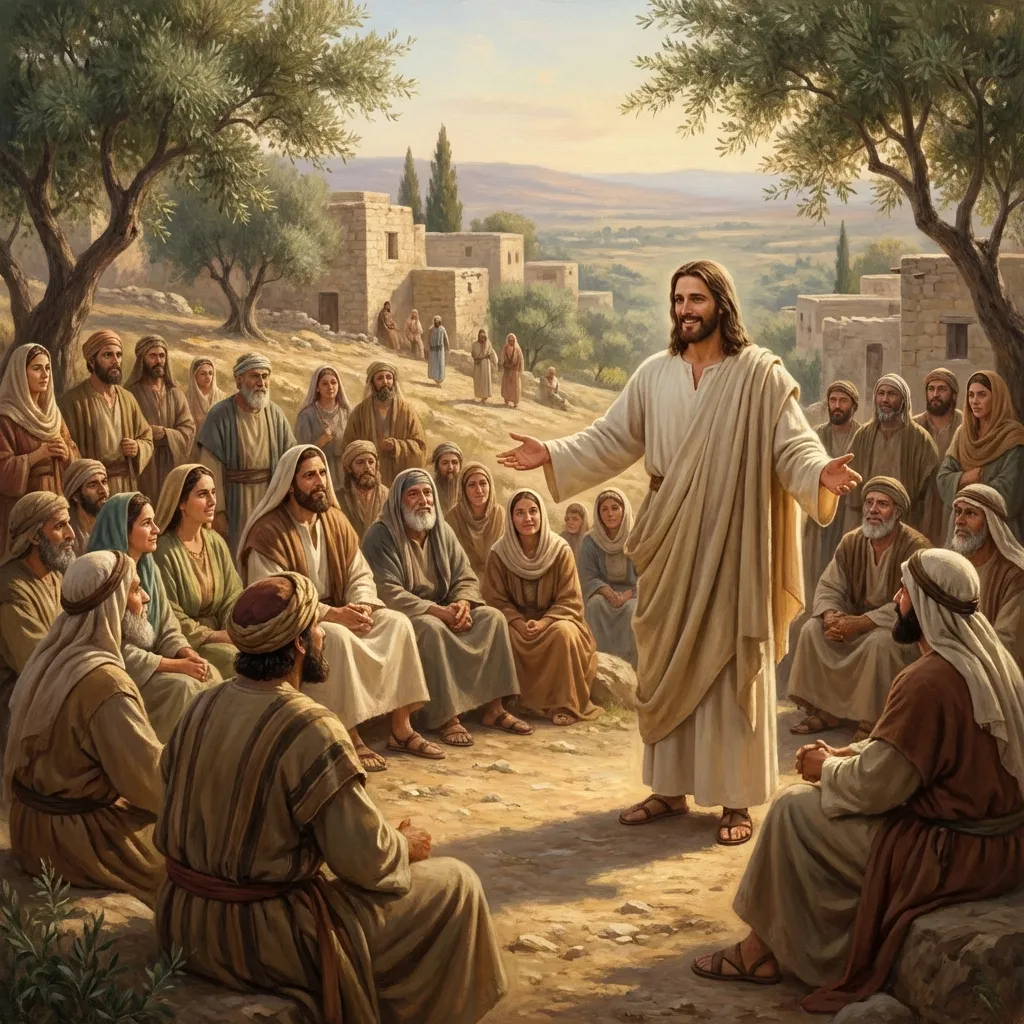
The Greatest Commandments: The Heart of the Law
Jesus masterfully synthesized all 613 Mosaic commandments into two relational imperatives: supreme love for Yahweh and compassionate agape love for one's neighbor.
Read Full Study →
The Ten Commandments: The Moral Architecture of the Decalogue
Engraved by the finger of God on Mount Sinai, the Decalogue serves as the enduring foundation for divine justice, human dignity, and covenantal holiness.
Read Full Study →
The 613 Commandments (Taryag Mitzvot): Understanding the Mosaic Legal Code
A comprehensive theological breakdown of the 613 Mosaic Mitzvot: distinguishing moral, ceremonial, and civil statutes, their rabbinic categorization, and their ultimate fulfillment in Jesus Christ.
Read Full Study →Theological & Historical Study Guide
In the thunder, lightning, and thick smoke of Mount Sinai, Yahweh delivered the Ten Commandments (Hebrew: Aseret ha-D'varim, "The Ten Words"). Far from being a set of oppressive, arbitrary restrictions, the Decalogue is the majestic Magna Carta of human freedom and moral dignity. It reveals the holy, righteous, and unchanging character of the Sovereign Creator.
The architecture of the Commandments is divinely balanced across two stone tablets: the first four commandments define our vertical allegiance to God (loving Him with heart, soul, and mind), while the remaining six establish our horizontal responsibility to our fellow human beings (protecting family, life, marriage, property, truth, and heart-contentment).
In the Sermon on the Mount, Jesus internalized the Law, demonstrating that murder begins in unchecked anger and adultery begins in lustful thoughts. Finally, Jesus synthesized the entire moral code into two greatest commands: "You shall love the Lord your God with all your heart... and you shall love your neighbor as yourself" (Matthew 22:37–40). In Christ, the Law is not abolished, but fulfilled and written upon our hearts by the Holy Spirit.
Foundational Principles & Themes
Pure Monotheism & The Sanctity of Worship
No other gods, no crafted idols, and reverence for Yahweh’s holy name protect the human soul from spiritually toxic idolatry.
The Sacred Rhythm of Sabbath Rest
Remembering the Sabbath honors God as Creator and Redeemer, breaking the cycle of relentless labor and pointing to eternal rest in Christ.
The Sanctity of Life, Family & Covenant Truth
Honoring parents, safeguarding life, marital fidelity, protecting property, speaking truth, and conquering covetousness form the bedrock of society.
The Royal Law of Love Fulfilled in Christ
Love is the fulfillment of the Law: loving God supremely and loving our neighbor selflessly summarizes all the commandments.
Biblical Questions & Exegetical Answers
Are Christians still required to keep the Ten Commandments under the New Covenant?
Christians are not justified by keeping the Law (Galatians 2:16), but the moral principles of the Decalogue reflect God’s unchanging holiness. Nine of the ten commandments are explicitly reaffirmed in the New Testament as the joyful fruit of a Spirit-led life.
How did Jesus fulfill the Law instead of abolishing it (Matthew 5:17)?
Jesus fulfilled the moral law by perfectly obeying every demand without sin; He fulfilled the ceremonial sacrificial law by dying on the cross as the once-for-all Lamb of God; and He fulfilled the prophetic law by realizing every ancient Messianic type.
Why is the Tenth Commandment against coveting unique?
Unlike the previous commandments that govern external actions (murder, theft, perjury), the tenth commandment targets the invisible, internal motives of the heart, showing that God demands inward purity of soul and contentment in Him.