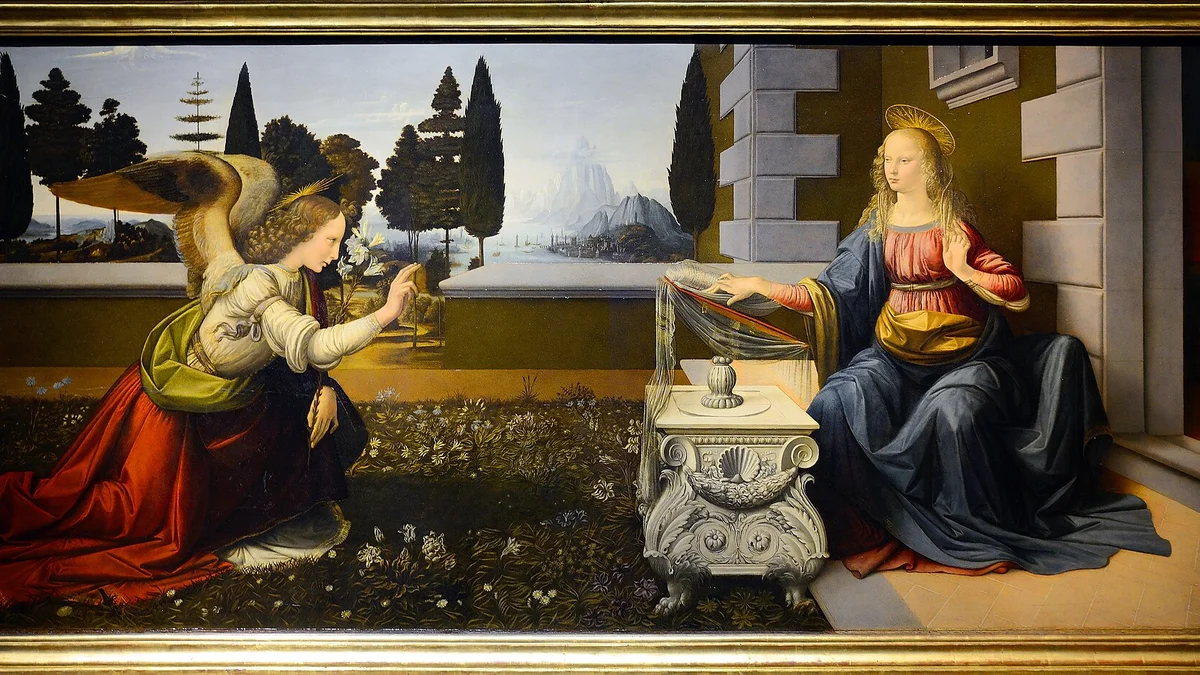
All of human history and all the prophetic scrolls of the Old Testament had been marching toward this single, quiet, sacred intersection in time. Not in the glittering imperial forums of Rome, nor in the philosophical academies of Athens, nor even in the grand marble courts of the Jerusalem Temple, did heaven touch earth to initiate the New Covenant. Instead, God dispatched His premier messenger, Archangel Gabriel, to an impoverished, rocky village in Galilee called Nazareth. There, in a simple stone room, heaven encountered a young, peasant teenage girl named Mary. Her surrender to the divine will—'Let it be to me according to your word'—opened the doorway for God Almighty to clothe Himself in human flesh and enter the world as our Savior.
1. The Obscure Village and the Royal Maiden
In the sixth month of Elizabeth’s pregnancy, God sent the angel Gabriel to a city of Galilee named **Nazareth**. In the ancient world, Nazareth was an obscure, culturally despised hamlet of barely four hundred inhabitants, prompting Nathanael’s famous skeptical sneer: "Can anything good come out of Nazareth?" (John 1:46).
Yet it was precisely here that God focused His eternal gaze. Gabriel was sent:
"To a virgin betrothed to a man whose name was Joseph, of the house of David. The virgin's name was Mary." (Luke 1:27).
Mary (Hebrew *Miriam*) was likely a humble young maiden between fourteen and sixteen years of age. She was legally betrothed to Joseph, a righteous carpenter descended from the royal line of King David. Under ancient Jewish customs, betrothal was a legally binding contract that could only be dissolved through formal divorce, though the couple did not yet live together or consummate their union.
2. The Celestial Salutation: "Rejoice, Highly Favored One!"
Stepping into her humble dwelling, the archangel Gabriel greeted her with words that startled her to the depths of her soul:
"Rejoice, highly favored one, the Lord is with you; blessed are you among women!" (Luke 1:28).
Mary was deeply troubled and perplexed by this greeting, wondering what manner of salutation this could be. She did not boast or presume greatness; her pure, humble heart was overwhelmed.
Gabriel comforted her: "Do not be afraid, Mary, for you have found favor with God. And behold, you will conceive in your womb and bring forth a Son, and shall call His name JESUS." (Luke 1:30-31).
3. The Royal and Divine Identity of the Messiah
Gabriel then unleashed the grandest Christological declaration in the Gospels:
"He will be great, and will be called the Son of the Highest; and the Lord God will give Him the throne of His father David. And He will reign over the house of Jacob forever, and OF HIS KINGDOM THERE WILL BE NO END!" (Luke 1:32-33).
In these few sentences, Gabriel affirmed the fulfillment of the ancient Davidic Covenant (2 Samuel 7:12-16) and Daniel’s vision of the eternal Son of Man (Daniel 7:14). This promised Child would not be a mere earthly conqueror or temporary political leader; He is the eternal King of kings whose sovereign dominion will never pass away!
4. The Mystery of the Virgin Conception: Overshadowed by the Spirit
Mary asked a simple, natural question: "How can this be, since I do not know a man?"
Her question was not the cynical skepticism of Zechariah, but an honest inquiry regarding biological reality. Gabriel revealed the breathtaking divine mystery:
"The Holy Spirit will come upon you, and the power of the Highest will overshadow you; therefore, also, that Holy One who is to be born will be called the Son of God!" (Luke 1:35).
The word "overshadow" (*episkiazo*) is the exact Greek word used in the Septuagint for the Shekinah cloud of glory that rested upon the Tabernacle in Exodus 40:34! Just as God’s glory filled the ancient Tabernacle, the Holy Spirit would miraculously generate the human body of Jesus inside Mary's womb without human seed.
Gabriel gave Mary a confirmation: "Now indeed, Elizabeth your relative has also conceived a son in her old age; and this is now the sixth month for her who was called barren. FOR WITH GOD NOTHING WILL BE IMPOSSIBLE!" (Luke 1:36-37).
5. The Immortal Fiat of Faith: "Let It Be to Me"
Consider the terrifying cost of Mary's obedience. By accepting this divine calling, Mary risked everything:
- Her reputation in small-town Nazareth would be destroyed by whispers of illegitimate pregnancy.
- Her betrothed husband Joseph could publicly divorce her or hand her over to the elders.
- Under Mosaic law (Deuteronomy 22:23-24), an unfaithful betrothed woman could be stoned to death outside her father's house.
Yet Mary looked past public shame, legal danger, and human fear. With unhesitating, breathtaking trust, she uttered the most famous words of submission in human history:
"BEHOLD THE MAIDSERVANT OF THE LORD! LET IT BE TO ME ACCORDING TO YOUR WORD." (Luke 1:38).
With that single sentence of consecrated surrender, the Creator of the universe was conceived in her womb!
6. The Visitation and the Transcendent Magnificat
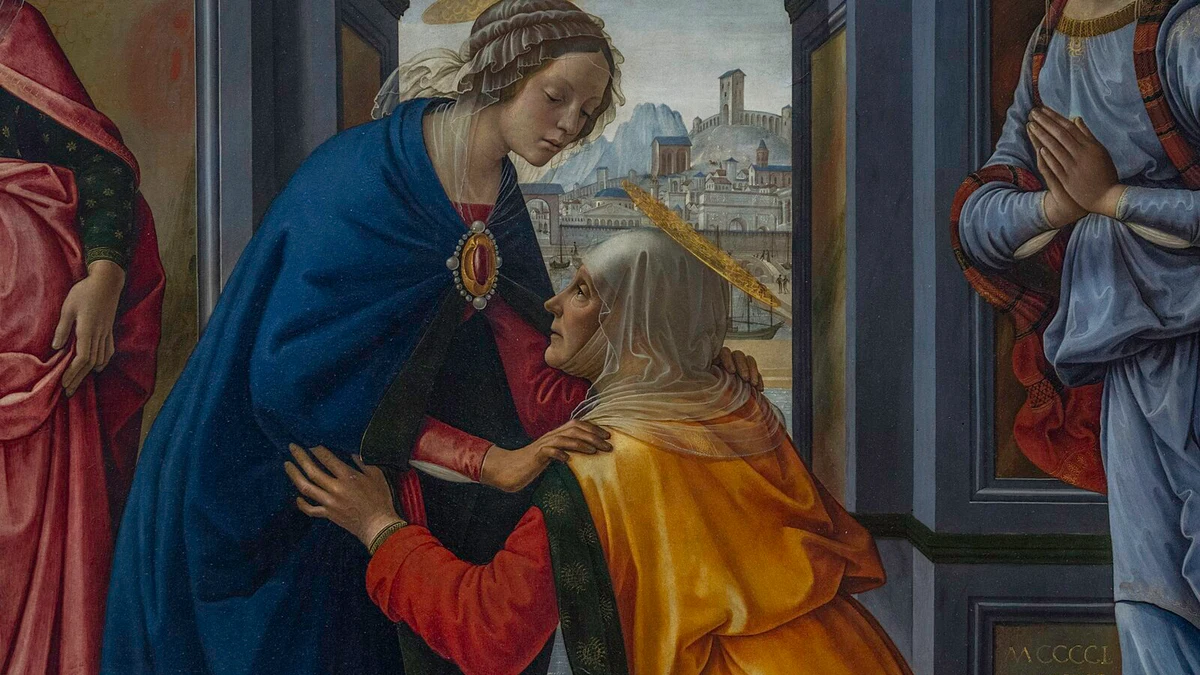 Domenico Ghirlandaio's famous Musée du Louvre masterwork depicting the joyful embrace of Mary and Elizabeth in the hill country of Judea.
Mary arose in haste and journeyed into the hill country of Judah to visit Elizabeth. When Mary entered the house and greeted Elizabeth, the unborn John leaped in Elizabeth's womb, and Elizabeth cried out: "Blessed are you among women, and blessed is the fruit of your womb! But why is this granted to me, that the mother of my Lord should come to me?" (Luke 1:42-43).
Then Mary burst into prophetic poetry, singing the immortal **Magnificat** (Luke 1:46-55):
"My soul magnifies the Lord, and my spirit has rejoiced in God my Savior! For He has regarded the lowly state of His maidservant; for behold, henceforth all generations will call me blessed. For He who is mighty has done great things for me, and holy is His name!"
Mary prophesied the radical divine reversal that the Gospel would bring to the earth: God scatters the proud in the imagination of their hearts, casts down mighty rulers from their thrones, exalts the lowly, fills the hungry with good things, and sends the rich away empty, remembering His eternal covenant mercy to Abraham forever!
7. Christological Fulfillment: The Seed of the Woman
The Annunciation marks the fulfillment of the very first messianic promise in human history:
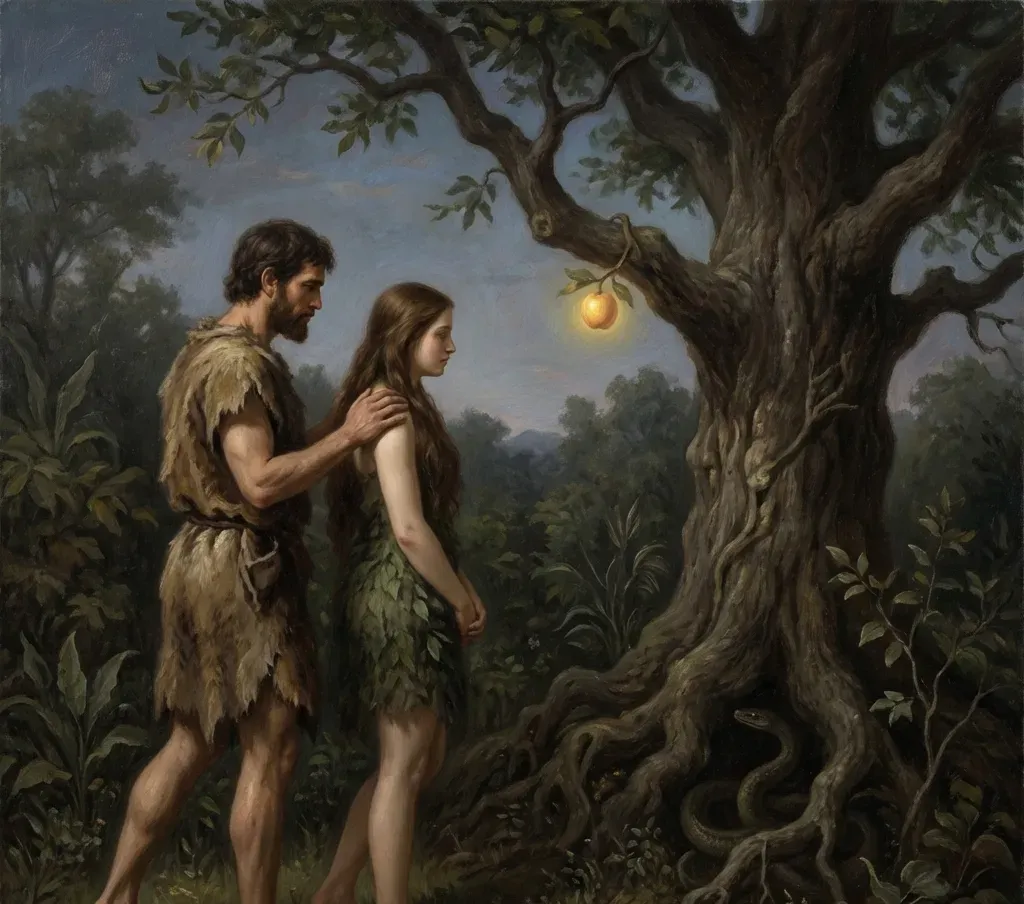
- The Seed of the Woman (Genesis 3:15): In the Garden of Eden, God promised that the 'seed of the woman' would crush the serpent's head. By being born of a virgin without human male seed, Jesus was uniquely the pure 'Seed of the woman.'
- The Immanuel Prophecy (Isaiah 7:14): Seven centuries earlier, Isaiah wrote: "Behold, the virgin shall conceive and bear a Son, and shall call His name Immanuel ('God with us')."
- The Incarnation: John 1:14 declares: "And the Word became flesh and dwelt among us, and we beheld His glory, the glory as of the only begotten of the Father, full of grace and truth."
Spiritual Reflections & Practical Life Application:
- God Uses the Humble and Overlooked: God bypassed the emperors of Rome and the religious elites of Jerusalem to choose a peasant girl in tiny Nazareth. Never think you are too insignificant for God to use mightily!
- The Posture of Total Surrender: Can you say with Mary today: "Lord, let it be to me according to Your Word"? Surrender your plans, your reputation, and your fears into His sovereign hands.
- Nothing Is Impossible with God: Are you facing a mountain that seems humanly hopeless? Gabriel’s promise stands eternal: "For with God nothing will be impossible!"
- Magnify the Lord: When God works in your life, do not magnify your problems or your achievements. Magnify the Lord, rejoice in God your Savior, and declare His holiness to all generations! Amen.
⚡ Fast Facts
- Gabriel appeared in the obscure village of Nazareth in Galilee, fulfilling Isaiah 7:14 and 9:1-2
- Jesus means 'Yahweh is Salvation' (Yeshua); He is given the throne of His ancestor David
- The Virgin Conception was accomplished entirely by the Holy Spirit: 'The power of the Highest will overshadow you'
- Mary's hymn of praise in Luke 1:46-55 is universally known as the 'Magnificat' from its opening Latin word
❓ Frequently Asked Questions (FAQs)
The virgin birth ensured that Jesus was both fully God and fully sinless man. Conceived by the Holy Spirit without a human father, Christ bypassed the inherited sinful nature of fallen Adam while taking genuine human flesh through Mary, qualifying Him to be the spotless Lamb of God (Luke 1:35; Romans 5:12-19).
Under first-century Jewish law, an unwed pregnant woman faced severe public disgrace, social ostracization, the divorce of her betrothal by Joseph, and potential execution by stoning under Deuteronomy 22:23-24. Mary surrendered her reputation, marriage, and very life into God's hands.
The Magnificat (Luke 1:46-55) is a radical song of divine reversal. Filled with Old Testament quotes (especially Hannah's prayer in 1 Samuel 2), it celebrates God exalting the poor, feeding the hungry, and fulfilling His ancient covenant promises to Abraham, while scattering the proud and pulling tyrants from their thrones.