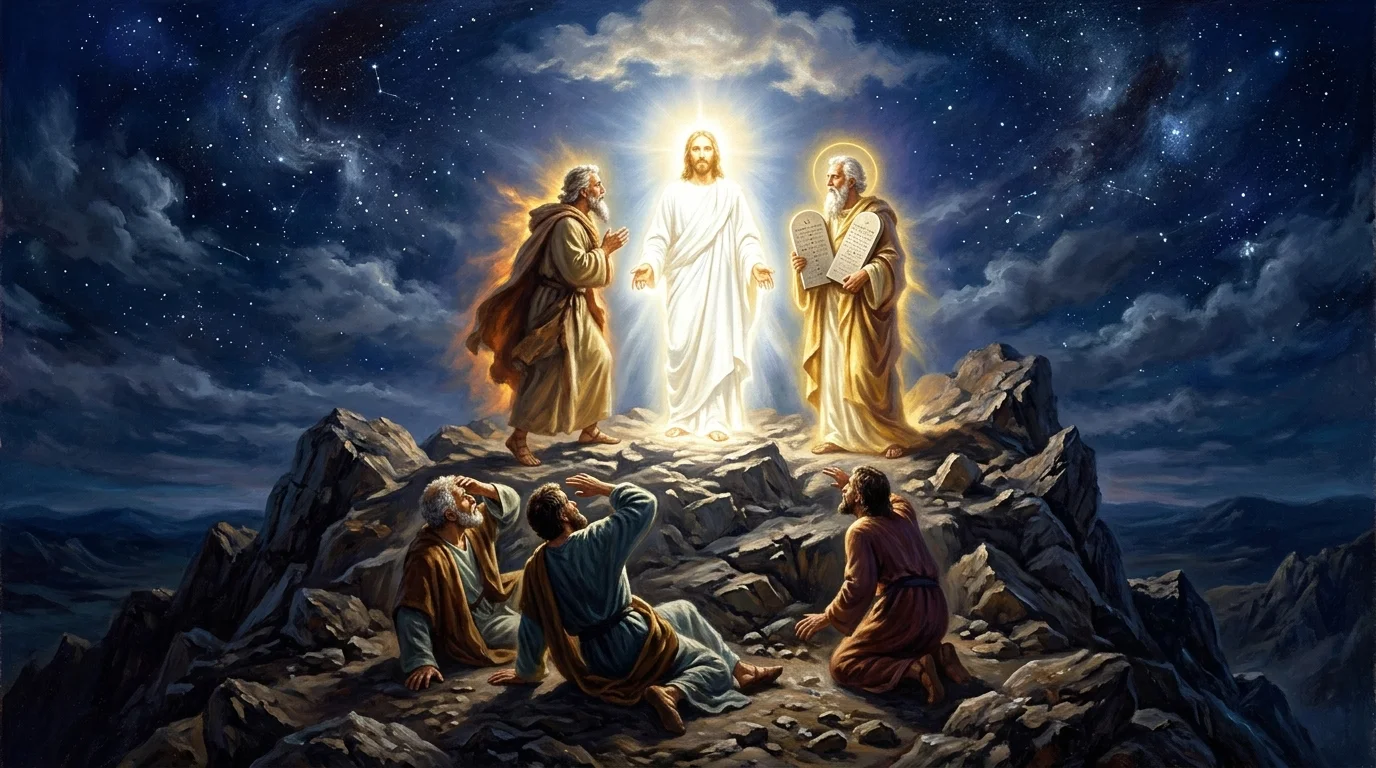
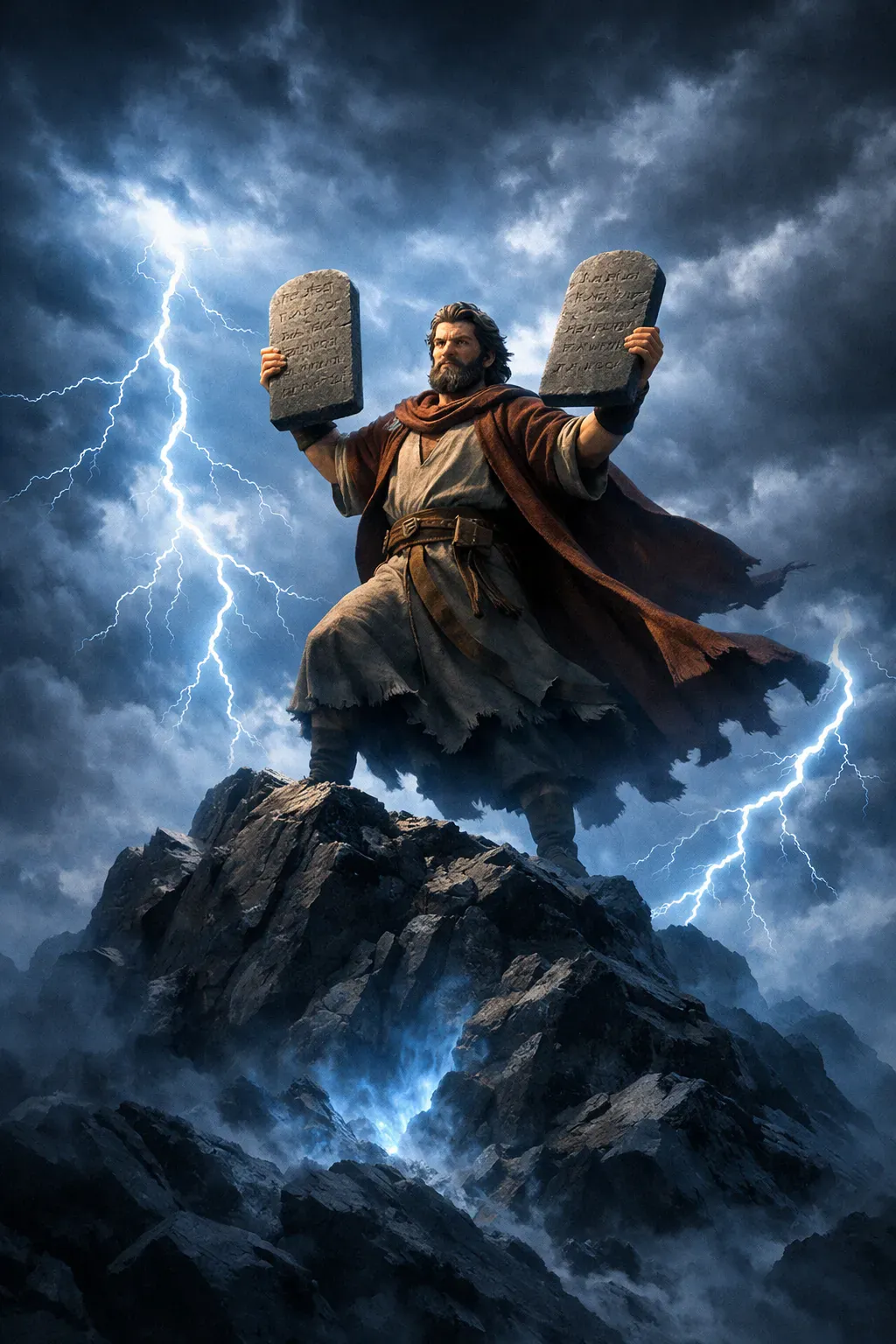
Q1.In Exodus 34:28 and Deuteronomy 9:9, how long did Moses fast upon Mount Sinai while receiving the Ten Commandments?
A) Forty days and forty nights without bread or water ✓
B) Seven days and nights only
C) Twenty-one days abstaining from meat
D) Three days without food
Scriptural Explanation: Exodus 34:28 - 'So he was there with the Lord forty days and forty nights. He neither ate bread nor drank water. And he wrote on the tablets the words of the covenant, the Ten Commandments.' A supernatural fast sustained by God's glory.
Q2.In Leviticus 16:29-31, what mandatory national solemn fast was commanded for all Israel on the tenth day of the seventh month?
A) The Day of Atonement (Yom Kippur) ✓
B) The Feast of Tabernacles
C) The Feast of Weeks (Pentecost)
D) The Feast of Firstfruits
Scriptural Explanation: Leviticus 16:29-31 - 'In the seventh month, on the tenth day of the month, you shall afflict yourselves (fast)... For on this day shall atonement be made for you to cleanse you. You shall be clean before the Lord from all your sins. It is a Sabbath of solemn rest.'
Q3.In 1 Kings 19:8, when Elijah fled Jezebel to Mount Horeb, for how long was he sustained by the food provided by the angel?
A) Forty days and forty nights to Horeb, the mount of God ✓
B) Twelve days across the desert
C) Three days without stopping
D) Seven weeks to Damascus
Scriptural Explanation: 1 Kings 19:8 - 'And he arose and ate and drank, and went in the strength of that food forty days and forty nights to Horeb, the mount of God.'
Q4.In 2 Chronicles 20:3-4, when a vast confederacy of Moabites and Ammonites marched against Judah, what was King Jehoshaphat's first response?
A) He set his face to seek the Lord, and proclaimed a fast throughout all Judah ✓
B) He hired ten thousand mercenary soldiers from Egypt
C) He abandoned Jerusalem and fled to the wilderness
D) He sent gold tribute to the king of Ammon
Scriptural Explanation: 2 Chronicles 20:3-4 - 'Then Jehoshaphat was afraid and set his face to seek the Lord, and proclaimed a fast throughout all Judah. And Judah assembled to seek help from the Lord; from all the cities of Judah they came to seek the Lord.' Leading to a supernatural deliverance without fighting.
Q5.In Ezra 8:21-23, why did Ezra proclaim a fast by the river of Ahava before leading the exiles back to Jerusalem?
A) To humble themselves before God to seek a safe journey, being ashamed to ask the Persian king for a military escort ✓
B) Because they had run out of provisions by the river
C) To celebrate the rebuilding of the Persian palace
D) To mourn the death of Cyrus the Great
Scriptural Explanation: Ezra 8:21-23 - 'Then I proclaimed a fast there, at the river Ahava, that we might humble ourselves before our God, to seek from him a safe journey for ourselves, our children, and all our goods. For I was ashamed to ask the king for a band of soldiers... So we fasted and implored our God for this, and he listened to our entreaty.'
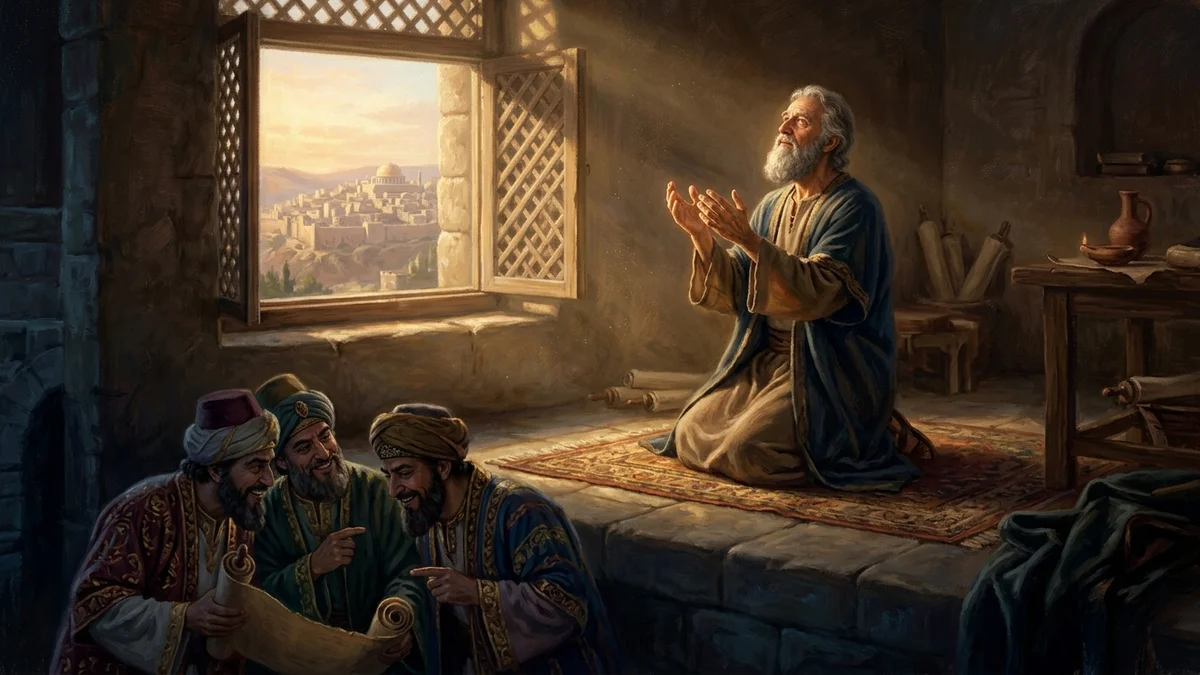
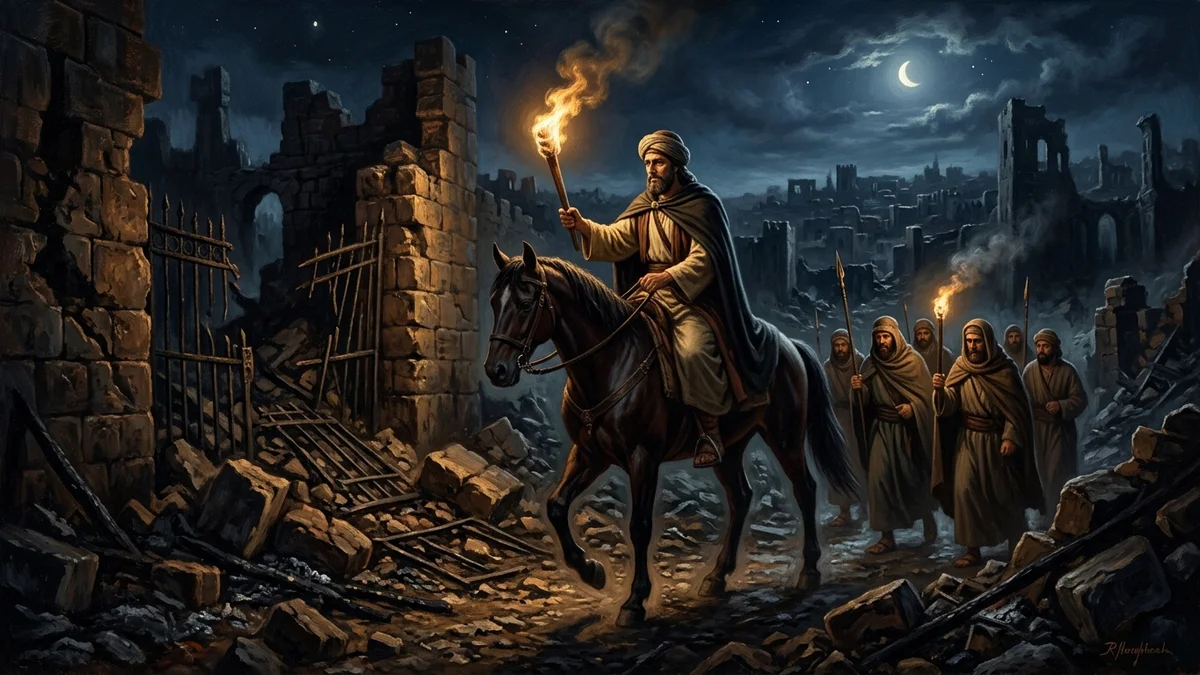
Q6.In Nehemiah 1:4, when Nehemiah heard that the wall of Jerusalem was broken down and its gates burned with fire, what did he do?
A) He sat down and wept and mourned for days, and continued fasting and praying before the God of heaven ✓
B) He immediately resigned from his post as royal cupbearer
C) He hired Phoenician masons to sail to Judea
D) He sent a letter of complaint to the governors of Samaria
Scriptural Explanation: Nehemiah 1:4 - 'As soon as I heard these words I sat down and wept and mourned for days, and I continued fasting and praying before the God of heaven.' Heartfelt grief over God's broken walls birthed royal favor and revival.
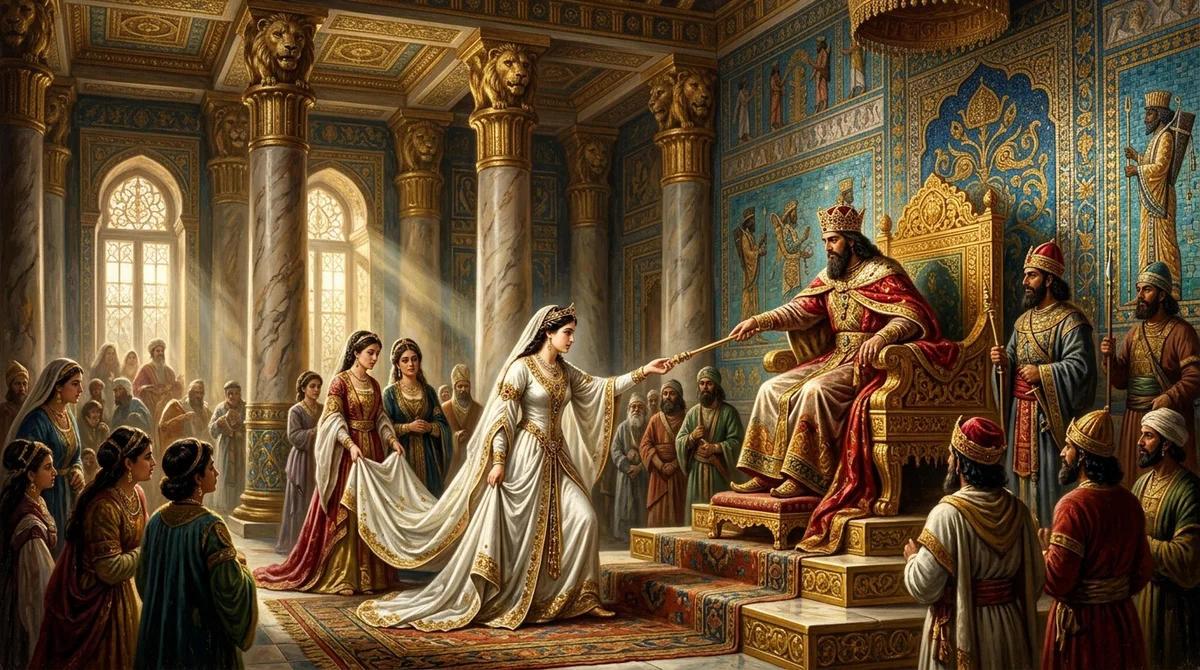
Q7.In Esther 4:16, what strict, absolute fast did Queen Esther request of Mordecai and all the Jews in Susa before she approached King Ahasuerus?
A) "Hold a fast on my behalf, and neither eat nor drink for three days, night or day. I and my young women will also fast as you do" ✓
B) Abstain from royal wine for forty days
C) Fast from dawn until sunset for one week
D) Eat only bread and salt for seven days
Scriptural Explanation: Esther 4:16 - '"Go, gather all the Jews to be found in Susa, and hold a fast on my behalf, and do not eat or drink for three days, night or day. I and my young women will also fast as you do. Then I will go to the king, though it is against the law, and if I perish, I perish."'
Q8.In Jonah 3:5-9, how did the pagan king and citizens of Nineveh respond to Jonah's preaching of impending destruction?
A) They believed God, proclaimed a fast, put on sackcloth from greatest to least, and even covered the cattle and herds without food or water ✓
B) They imprisoned Jonah in an iron cage for forty days
C) They built seven pagan altars to Baal
D) They fled across the Euphrates River into Persia
Scriptural Explanation: Jonah 3:5, 7 - 'And the people of Nineveh believed God. They called for a fast and put on sackcloth, from the greatest of them to the least of them... "Let neither man nor beast, herd nor flock, taste anything. Let them not feed or drink water, but let man and beast be covered with sackcloth, and let them call out mightily to God."' God relented of disaster.
Q9.In Daniel 1:12-15, what 10-day dietary discipline did Daniel and his three companions request instead of the Babylonian royal feast and wine?
A) Eat only pulse (vegetables) and drink water for ten days ✓
B) Eat roasted lamb and goat milk exclusively
C) Fast completely from all nourishment for ten days
D) Eat Persian dates and figs only
Scriptural Explanation: Daniel 1:12, 15 - '"Test your servants for ten days; let us be given vegetables to eat and water to drink."... At the end of ten days it was seen that they were better in appearance and fatter in flesh than all the youths who ate the king's food.'
Q10.In Daniel 10:2-3, what partial fast did Daniel observe for three full weeks while mourning over the future of his people?
A) "I ate no delicacies, no meat or wine entered my mouth, nor did I anoint myself at all, for the full three weeks" ✓
B) He ate only unleavened barley loaves twice daily
C) He fasted without water for twenty-one days
D) He ate only food prepared by King Cyrus
Scriptural Explanation: Daniel 10:2-3 - 'In those days I, Daniel, was mourning for three weeks. I ate no delicacies, no meat or wine entered my mouth, nor did I anoint myself at all, for the full three weeks.' Followed by the glorious vision of the heavenly messenger.
Q11.In Isaiah 58:6-7, how does the Lord define the true, spiritual fast that He has chosen?
A) "To loose the bonds of wickedness, undo heavy burdens, let the oppressed go free, share bread with the hungry, and cover the naked" ✓
B) "Bowing down the head like a bulrush and spreading sackcloth and ashes for show"
C) "Fasting for strife, debate, and to strike with the fist of wickedness"
D) "Locking oneself inside an isolated mountain fortress"
Scriptural Explanation: Isaiah 58:6-7 - 'Is not this the fast that I choose: to loose the bonds of wickedness, to undo the straps of the yoke, to let the oppressed go free... Is it not to share your bread with the hungry and bring the homeless poor into your house; when you see the naked, to cover him?'
Q12.In Matthew 4:1-4, when Satan tempted Jesus to turn stones into bread after His 40-day fast, what scriptural sword did Jesus brandish?
A) "Man shall not live by bread alone, but by every word that comes from the mouth of God" ✓
B) "Hunger has no power over the Son of David"
C) "I will eat only heavenly manna from the cloud"
D) "Angels will cook bread on Mount Nebo"
Scriptural Explanation: Matthew 4:4 - 'But he answered, "It is written, ‘Man shall not live by bread alone, but by every word that comes from the mouth of God.’"' Quoting Deuteronomy 8:3.
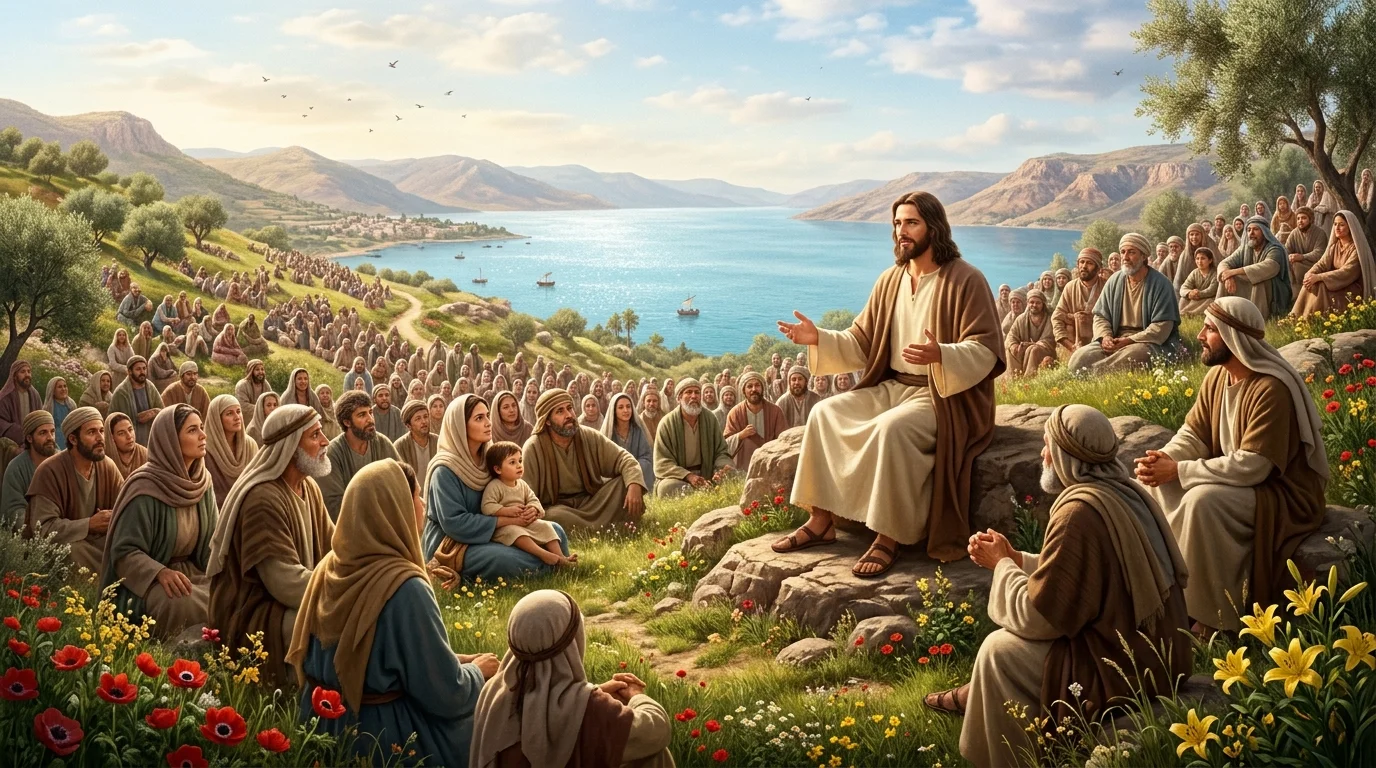
Q13.In Matthew 6:16-18, in the Sermon on the Mount, what instructions did Jesus give regarding personal fasting without hypocrisy?
A) "When you fast, do not look gloomy like the hypocrites... But when you fast, anoint your head and wash your face, that your fasting may not be seen by others but by your Father who is in secret" ✓
B) "Sound a trumpet through the streets of Jerusalem before beginning a fast"
C) "Wear black robes so everyone respects your devotion"
D) "Fast only on market days in the public square"
Scriptural Explanation: Matthew 6:17-18 - '"But when you fast, anoint your head and wash your face, that your fasting may not be seen by others but by your Father who is in secret. And your Father who sees in secret will reward you."'
Q14.In Matthew 9:14-15, when John the Baptist's disciples asked why Jesus' disciples did not fast, what was Christ's profound answer?
A) "Can the wedding guests mourn as long as the bridegroom is with them? The days will come when the bridegroom is taken away from them, and then they will fast" ✓
B) "Fasting was strictly an Old Testament Mosaic ritual abolished forever"
C) "My disciples are exempt from all spiritual disciplines"
D) "Only priests in Jerusalem are permitted to fast"
Scriptural Explanation: Matthew 9:15 - 'And Jesus said to them, "Can the wedding guests mourn as long as the bridegroom is with them? The days will come when the bridegroom is taken away from them, and then they will fast."' Anticipating the Church Age after Christ's ascension.
Q15.In Luke 2:36-37, how did the 84-year-old Prophetess Anna serve God in the Temple before welcoming baby Jesus?
A) She did not depart from the temple, worshiping with fasting and prayer night and day ✓
B) She sold sacrificial doves outside the court
C) She wrote genealogical scrolls for the Sanhedrin
D) She served food to the Roman guards
Scriptural Explanation: Luke 2:37 - 'And then as a widow until she was eighty-four. She did not depart from the temple, worshiping with fasting and prayer night and day.'
Q16.In Acts 10:30, what spiritual discipline was Cornelius the Roman centurion practicing in Caesarea when an angel of God appeared to him?
A) "Four days ago, about this hour, I was praying in my house at the ninth hour, fasting... and behold, a man stood before me in bright clothing" ✓
B) He was conducting a military inspection of Roman spears
C) He was dining with Persian merchants
D) He was supervising stone masons at Caesarea harbor
Scriptural Explanation: Acts 10:30 - 'And Cornelius said, "Four days ago, about this hour, I was praying in my house at the ninth hour (fasting), and behold, a man stood before me in bright clothing."' Devout prayer, alms, and fasting were remembered before God.
Q17.In Acts 13:2-3, what was the early church at Antioch doing when the Holy Spirit spoke to commission Barnabas and Saul for missionary work?
A) They were worshiping the Lord and fasting; then after fasting and praying they laid their hands on them and sent them off ✓
B) They were collecting taxes for the synagogue in Tarsus
C) They were holding an election for church deacons
D) They were repairing the fishing nets of Cyprus
Scriptural Explanation: Acts 13:2-3 - 'While they were worshiping the Lord and fasting, the Holy Spirit said, "Set apart for me Barnabas and Saul for the work to which I have called them." Then after fasting and praying they laid their hands on them and sent them off.'
Q18.In Acts 14:23, what spiritual protocol did Paul and Barnabas practice when establishing leaders in the churches of Galatia?
A) They appointed elders in every church, with prayer and fasting, committing them to the Lord in whom they had believed ✓
B) They sold memberships for fifty drachmas
C) They cast lots among Roman citizens only
D) They appointed only the wealthiest merchants
Scriptural Explanation: Acts 14:23 - 'And when they had appointed elders for them in every church, with prayer and fasting they committed them to the Lord in whom they had believed.' Fasting and prayer are foundational for biblical ordination.
Q19.In 1 Corinthians 9:26-27, what athletic discipline of the body does Apostle Paul declare essential to avoid disqualification?
A) "I discipline my body and keep it under control, lest after preaching to others I myself should be disqualified" ✓
B) "I run aimlessly in every Greek arena"
C) "I indulge my physical desires without restraint"
D) "I purchase gold medals from Corinthian athletes"
Scriptural Explanation: 1 Corinthians 9:26-27 - 'So I do not run aimlessly; I do not box as one beating the air. But I discipline my body and keep it under control, lest after preaching to others I myself should be disqualified.'
Q20.In 1 Timothy 4:7-8, how does Paul contrast physical bodily exercise with spiritual godliness?
A) "Bodily training is of some value, but godliness is of value in every way, as it holds promise for the present life and also for the life to come" ✓
B) "Bodily training is entirely sinful and prohibited"
C) "Godliness requires no discipline or effort"
D) "Spiritual discipline is only for cloistered monks"
Scriptural Explanation: 1 Timothy 4:7-8 - 'Train yourself for godliness; for while bodily training is of some value, godliness is of value in every way, as it holds promise for the present life and also for the life to come.'