In the quiet hill country of Judea, during the corrupt reign of King Herod the Great when prophetic voices had fallen silent in Israel for four hundred years, lived an elderly priestly couple of spotless integrity: Zacharias and Elizabeth. Enduring decades of societal disgrace, private heartbreak, and silent tears from barrenness, Elizabeth never wavered in her righteous devotion to Yahweh. In her advanced old age, God rolled away her reproach with the miraculous conception of John the Baptist, filling her with the Holy Spirit to become the first human being to recognize, honor, and proclaim Jesus Christ as Lord.
1. Righteousness in the Crucible of Prolonged Barrenness (Luke 1:5–7)
Elizabeth was of the purest Aaronite pedigree, a direct descendant of Aaron, the first High Priest of Israel. Her name in Hebrew (Elisheba, meaning "My God is an Oath" or "God of Abundance") connected her directly to Aaron’s wife Elisheba (Exodus 6:23). Her husband Zacharias served as a rural priest in the division of Abijah, one of the twenty-four priestly courses established by King David.
Scripture bestows upon this elderly couple one of the most sublime moral commendations in all of the Word of God:
"And they were both righteous before God, walking in all the commandments and ordinances of the Lord blameless. But they had no child, because Elizabeth was barren, and they were both well advanced in years." (Luke 1:6–7)
In ancient first-century Judean society, infertility was not viewed merely as a biological challenge; it was widely and cruelly stigmatized as an indicator of divine curse, spiritual disfavor, or hidden unconfessed sin. For the wife of a priest who lived with immaculate moral integrity and devout reverence, carrying this societal reproach year after year into old age was a profound, agonizing trial of faith.
Yet Elizabeth refused bitterness, cynicism, or spiritual compromise. She maintained a quiet, steadfast walk of worship, intercessory prayer, and Torah observance throughout decades of unanswered longing, demonstrating that her love for God was rooted in His holy character rather than temporary earthly rewards.
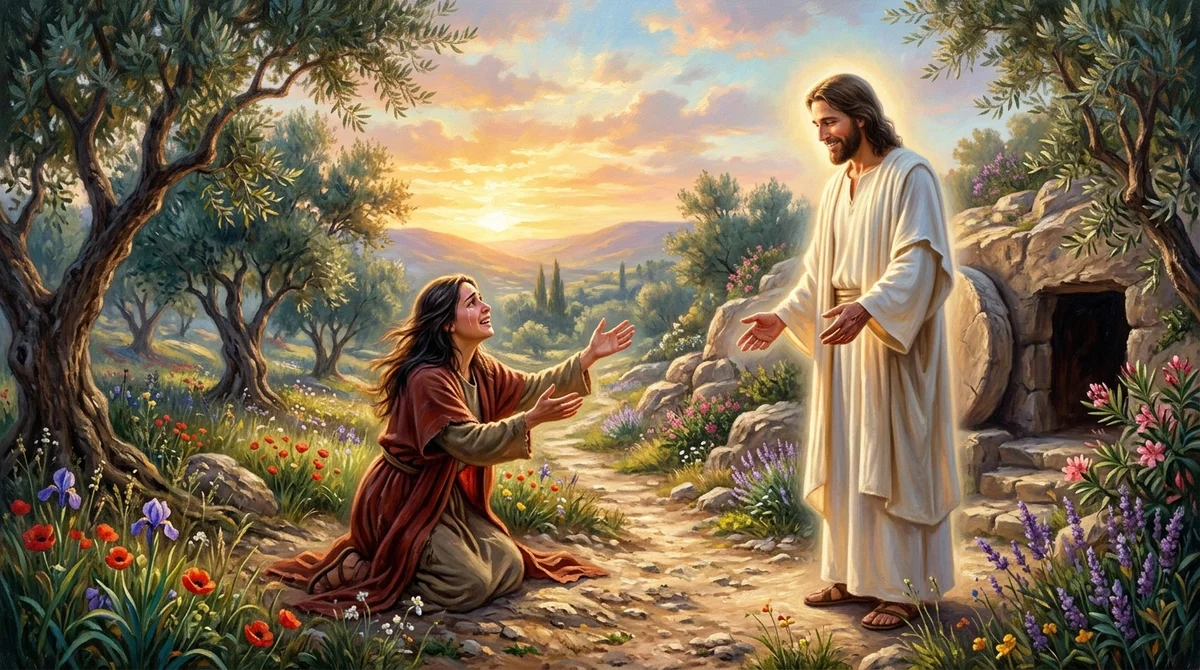
 The Prayer of the Faithful: Elderly Elizabeth in the hill country of Judea, rejoicing as God removed her lifelong reproach.
2. The Temple Vision and the Miracle of Conception (Luke 1:8–25)
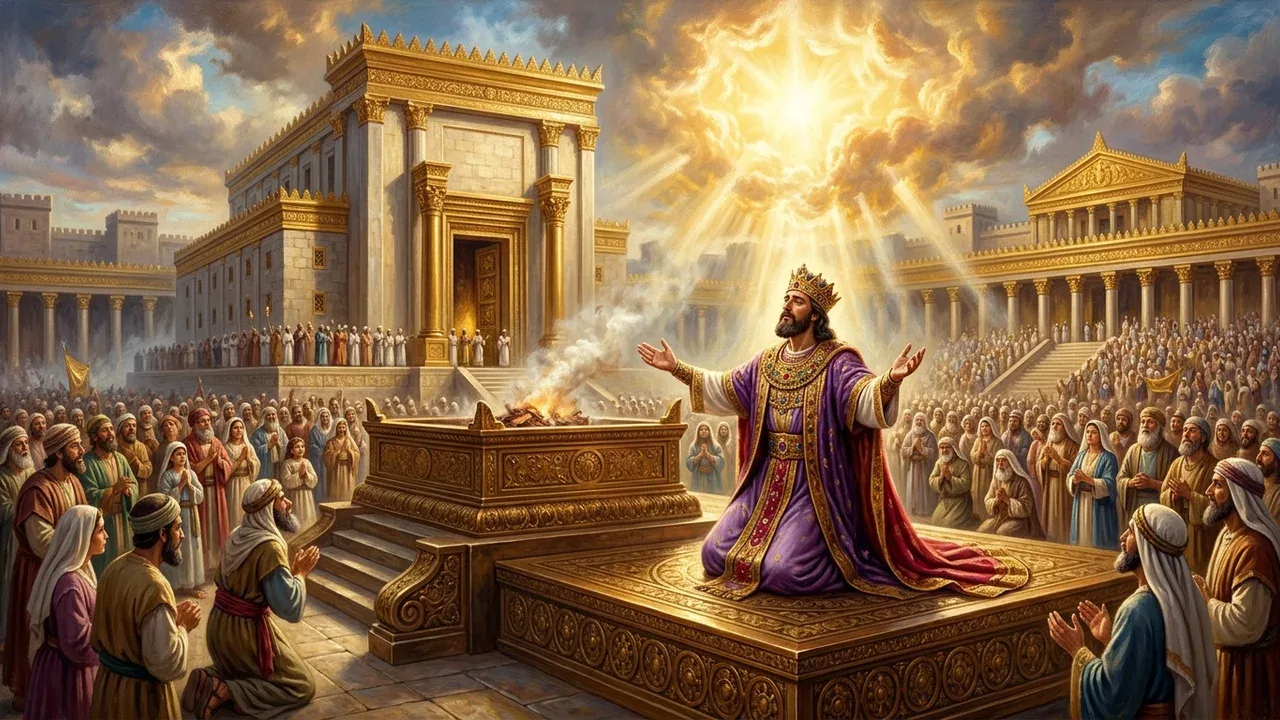
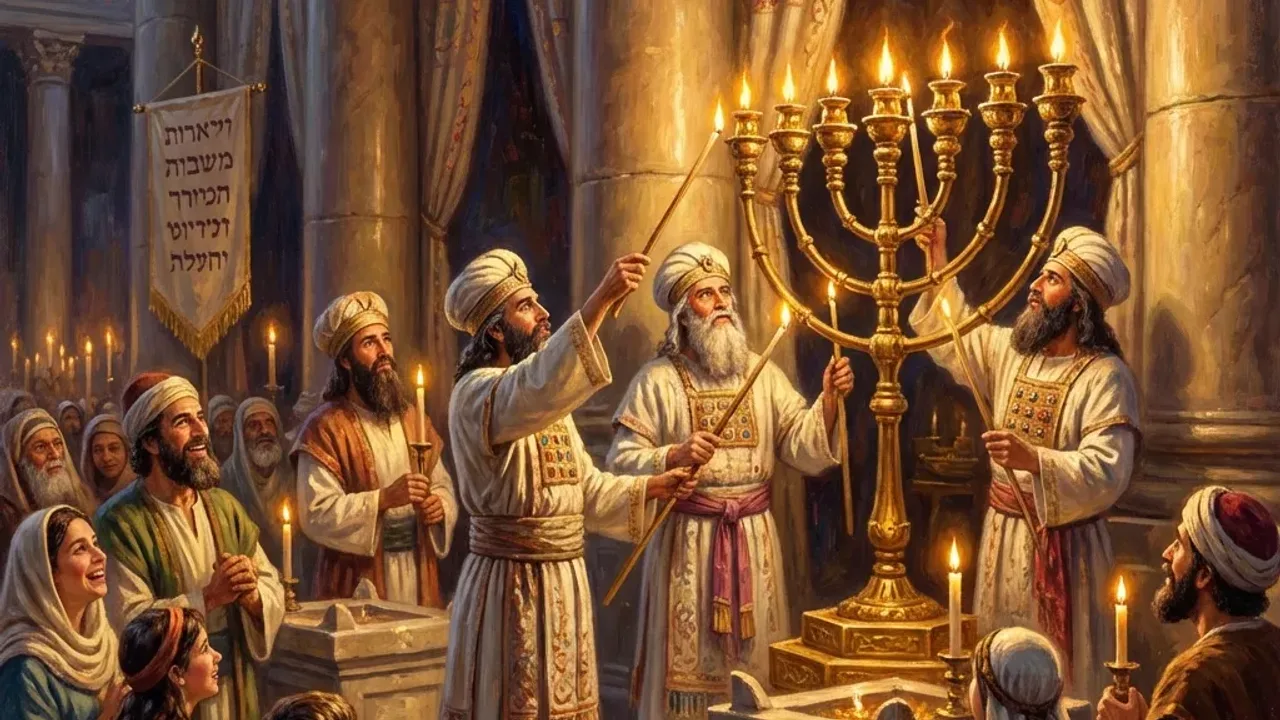
Once in a lifetime for a rural priest, the sacred lot fell upon Zacharias to enter the Holy Place of the Temple in Jerusalem and burn incense upon the golden altar during the morning hour of prayer, while thousands of worshipers prayed outside in the temple courtyards.
Suddenly, the Archangel Gabriel appeared standing on the right side of the altar of incense, announcing the breaking of four centuries of prophetic silence and bringing the answer to prayers offered decades earlier:
"Do not be afraid, Zacharias, for your prayer is heard; and your wife Elizabeth will bear you a son, and you shall call his name John... He will also be filled with the Holy Spirit, even from his mother's womb. And he will turn many of the children of Israel to the Lord their God. He will also go before Him in the spirit and power of Elijah." (Luke 1:13–17)
Because Zacharias hesitated in disbelief due to their advanced age, Gabriel rendered him mute until the fulfillment of the word. Returning home across the rocky Judean hills to his modest village, Zacharias embraced his wife, and in the fullness of divine timing, elderly Elizabeth conceived.
Overwhelmed with reverent gratitude, Elizabeth withdrew into solitary contemplation and devotional retreat for five months, praising God in quiet awe:
"Thus the Lord has dealt with me, in the days when He looked on me, to take away my reproach among people." (Luke 1:25)
3. The Visitation of Mary: The Unborn Prophet's Leap of Joy (Luke 1:39–45)
In the sixth month of Elizabeth's pregnancy, young Mary arrived from Nazareth carrying the newly conceived Messiah. The moment Mary crossed the doorway and called out a greeting, a spectacular supernatural explosion of Holy Spirit revelation unfolded:
"And it happened, when Elizabeth heard the greeting of Mary, that the babe leaped in her womb; and Elizabeth was filled with the Holy Spirit. Then she spoke out with a loud voice and said, 'Blessed are you among women, and blessed is the fruit of your womb! But why is this granted to me, that the mother of my Lord should come to me? For indeed, as soon as the voice of your greeting sounded in my ears, the babe leaped in my womb for joy.'" (Luke 1:41–44)
Six-month-old unborn John the Baptist leaped for joy inside Elizabeth’s womb, performing his very first prophetic act of identifying the Messiah! Filled with the Holy Spirit, Elizabeth became the first person on earth to declare Jesus as "my Lord" (Greek: ho Kyrios mou) while He was still a newly formed embryo.
Elizabeth showed zero jealousy toward her much younger relative; instead, she showered Mary with prophetic affirmation: "Blessed is she who believed, for there will be a fulfillment of those things which were told her from the Lord" (Luke 1:45).
4. The Birth of John and the Triumph of Covenant Obedience (Luke 1:57–66)
When Elizabeth delivered her son, neighbors and relatives gathered to celebrate God’s great mercy. On the eighth day, at the child’s covenant circumcision, the family insisted on naming the boy Zacharias after his father.
Elizabeth intervened with unshakeable spiritual authority and prophetic obedience: "No; he shall be called John!" (Hebrew: Yochanan, meaning "Yahweh is Gracious"). When they made signs to his mute father, Zacharias asked for a writing tablet and wrote: "His name is John."
Immediately, Zacharias’ mouth was loosed, and he erupted in the prophetic Benedictus hymn (Luke 1:68–79). Elizabeth raised John in the wilderness of Judea, instilling in him the fierce prophetic courage, dietary consecration, and spiritual purity that prepared the way of the Lord.
5. Five Spiritual Lessons from Elizabeth
- Faithful Righteousness in Seasons of Delay: Elizabeth lived blamelessly before God for decades without receiving what she prayed for, proving that authentic holiness loves God for who He is, not merely what He gives.
- God Never Forgets a Sincere Prayer: Prayers offered in youth that seem forgotten by time are preserved in God’s heavenly vials; in His perfect season, He answers in ways that exceed all human imagination.
- Rejoicing in Another’s Exaltation: Elizabeth demonstrated pure humility, joyfully honoring young Mary and the unborn Christ without an ounce of competitive envy or bitterness.
- Spiritual Discernment Through the Holy Spirit: Being filled with the Spirit enabled Elizabeth to recognize the hidden presence of the Messiah and boldly proclaim God’s covenant fulfillment.
- Standing Firm for God’s Revealed Will: In naming her son John against the heavy pressure of cultural tradition, Elizabeth proved that obedience to God's word always supersedes human expectations.
⚡ Fast Facts
- Daughter of the Priestly Line of Aaron: Elizabeth was of pure Aaronite lineage (Luke 1:5), married to the priest Zacharias of the division of Abijah; her name (Elisheba) means 'God is my Oath' or 'God of Abundance'.
- Walking Blamelessly Before the Lord: Scripture provides an extraordinary commendation of Elizabeth and Zacharias: 'And they were both righteous before God, walking in all the commandments and ordinances of the Lord blameless' (Luke 1:6).
- The Pre-Natal Leap of Joy: When pregnant Mary entered her house and greeted her, six-month-old unborn John the Baptist leaped for joy in Elizabeth’s womb, and Elizabeth was instantly filled with the Holy Spirit (Luke 1:41).
- First to Proclaim Jesus as 'My Lord': Filled with the Holy Spirit, Elizabeth was the very first person in the Gospels to address unborn Jesus with the divine title: 'Why is this granted to me, that the mother of my Lord should come to me?' (Luke 1:43).
❓ Frequently Asked Questions (FAQs)
In first-century Judea, childlessness was widely and unfairly stigmatized as a sign of divine curse or hidden sin. For a priest’s wife who lived blamelessly before God, carrying this social disgrace into old age was an agonizing burden of faith.
Scripture records in Luke 1:24–25 that she secluded herself for five months in quiet contemplative gratitude, declaring: 'Thus the Lord has dealt with me, in the days when He looked on me, to take away my reproach among people.'
When relatives insisted on naming the child Zacharias after his mute father, Elizabeth boldly insisted: 'No; he shall be called John!' (Luke 1:60), showing her unwavering obedience to the angel Gabriel’s divine command.