In the scorching desert expanses between Canaan and Egypt, stripped of legal rights, social status, and personal dignity, an Egyptian slave girl experienced one of the most intimate, revolutionary, and transformative revelations of God recorded in the entire Bible: Hagar. Caught in the painful domestic crossfire of the patriarchal household, Hagar fled twice into the desolate wilderness. In her deepest despair, Almighty God met her at desert springs, heard her bitter weeping, and revealed Himself as El Roi—"The God Who Sees Me." Her story stands as eternal proof that God is not a distant deity of the powerful, but a compassionate Father to the rejected, broken, and forgotten.
1. The Surrogate Scheme and the Agony of Domestic Abuse (Genesis 16:1–6)
Hagar entered the biblical record as an Egyptian maidservant in the household of Sarai, likely acquired during Abram’s earlier sojourn in Egypt during a severe famine in the land of Canaan (Genesis 12:16). As an Egyptian servant living in a Hebrew nomadic camp, Hagar possessed no legal autonomy or social leverage.
After ten long years in Canaan with no children, Sarai sought to solve God’s delay through ancient Near Eastern surrogacy conventions (documented extensively in the Code of Hammurabi, Nuzi tablets, and Lipit-Ishtar laws). Under these legal codes, a barren wife could give her personal slave to her husband, claiming the resulting offspring as her own legal children. Sarai gave Hagar to Abram as a concubine to obtain children through her.
When Hagar conceived, the domestic dynamics in the tent encampment shifted traumatically. Feeling elevated above her barren mistress, Hagar looked upon Sarai with contempt. In response, Sarai dealt harshly (*va-te'anneha*—the exact same Hebrew root used later for the brutal Egyptian oppression of Israel in Exodus 1:11) with Hagar.
Unable to bear the emotional humiliation and physical cruelty, pregnant Hagar fled alone into the scorching desert of Shur on the desolate caravan trail heading toward Egypt, preferring the deadly perils of the wilderness to the oppression of the patriarchal camp.
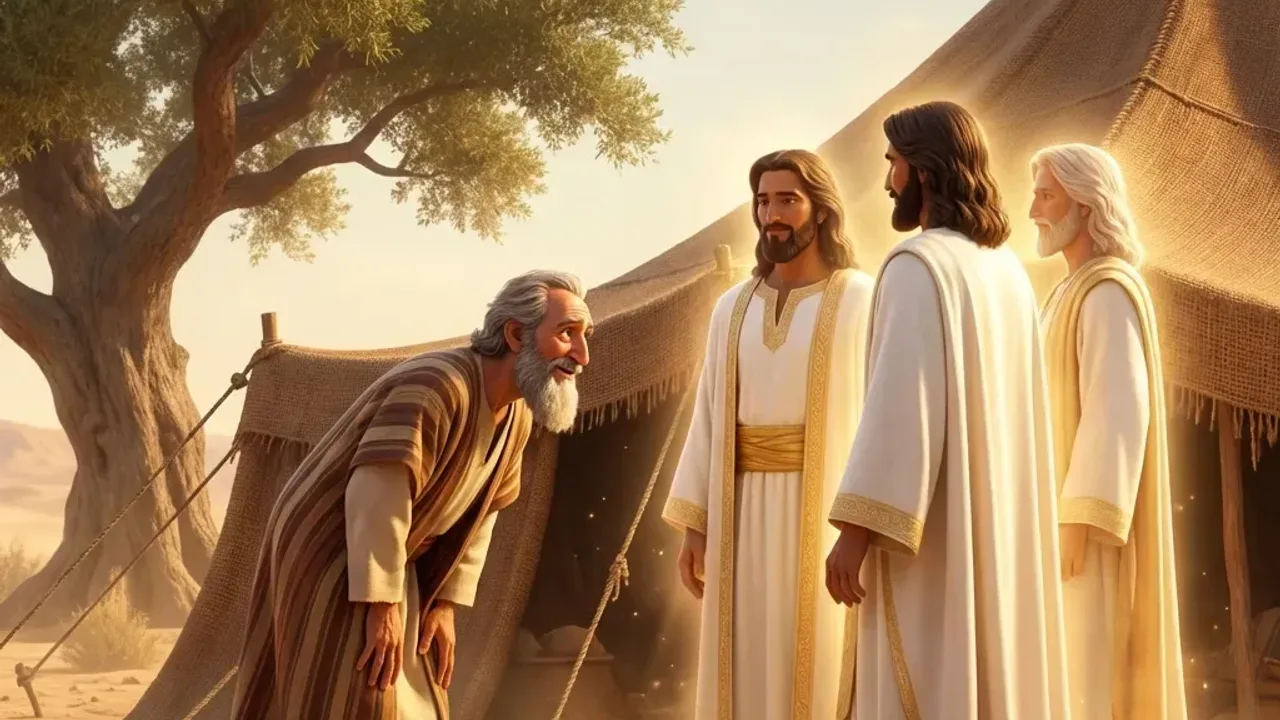
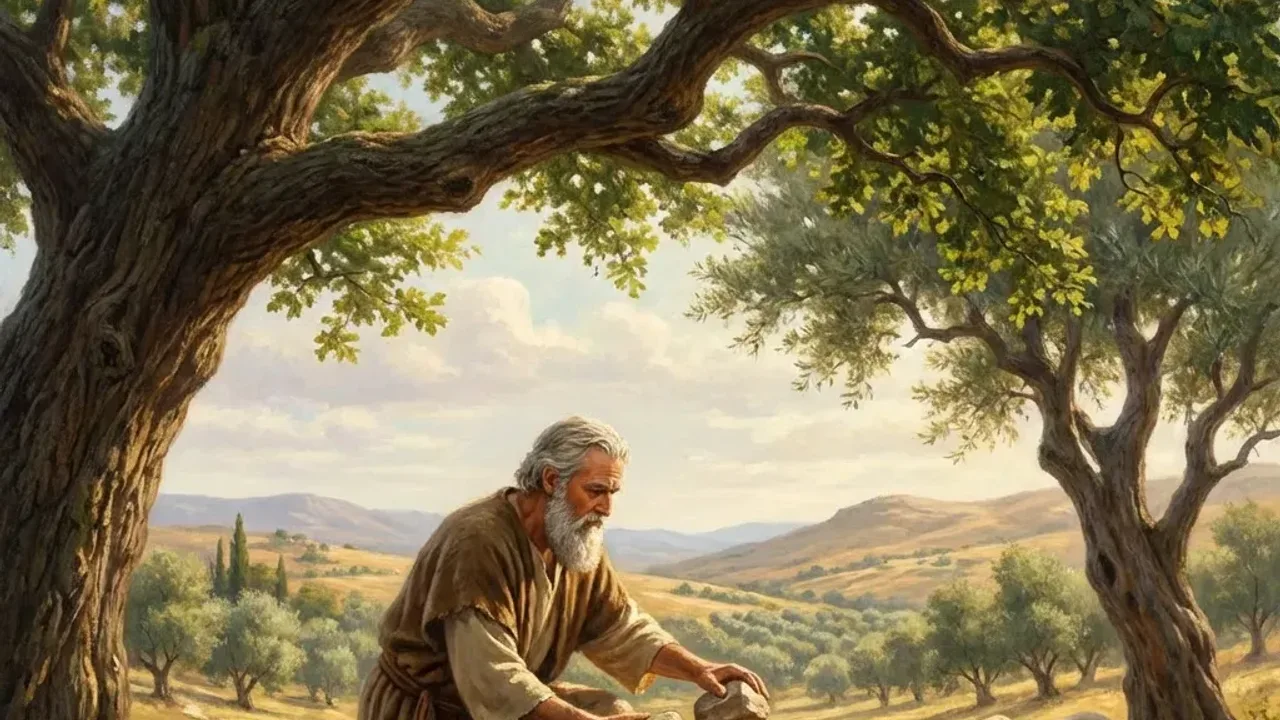 El Roi at the Desert Spring: Hagar meeting the Angel of the Lord beside the waters of Beer-Lahai-Roi.
2. Meeting El Roi at Beer-Lahai-Roi (Genesis 16:7–16)
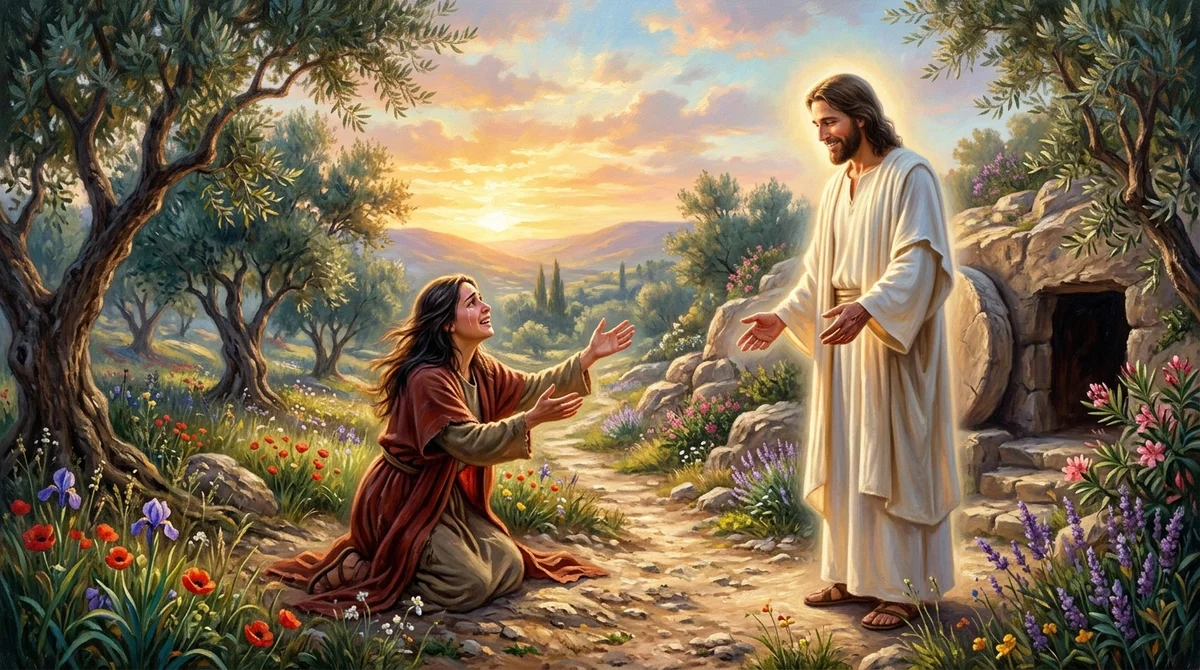
Exhausted, dehydrated, and weeping beside a natural spring of water in the wilderness, Hagar was met by the Angel of the LORD—the first recorded theophany to a woman in human history.
The Angel addressed her with personal dignity, calling her by her personal name: "Hagar, Sarai’s maid, where have you come from, and where are you going?" Notice that God acknowledged both her identity and her relational trauma.
When Hagar confessed she was fleeing her mistress, the Angel instructed her to return and submit under divine protection, delivering an extraordinary covenant promise:
"I will multiply your descendants exceedingly, so that they shall not be counted for multitude... Behold, you are with child, and you shall bear a son. You shall call his name Ishmael (God Hears), because the Lord has heard your affliction." (Genesis 16:10–11)
Stunned that the supreme Creator of heaven and earth knew her name, saw her tears, and cared for an enslaved foreign outcast, Hagar did something no patriarch, priest, or king in the entire Bible ever did: she gave God a personal name:
"Then she called the name of the Lord who spoke to her, You-Are-the-God-Who-Sees; for she said, 'Have I also here seen Him who sees me?' Therefore the well was called Beer-Lahai-Roi (Well of the One Who Lives and Sees Me)." (Genesis 16:13–14)
Hagar returned in humble obedience to Abram's camp and gave birth to Ishmael when Abram was eighty-six years old.
3. The Crisis in Beersheba and the Miraculous Desert Well (Genesis 21:8–21)
Fourteen years later, after Sarah miraculously gave birth to Isaac, domestic rivalry flared again when teenage Ishmael mocked young Isaac at his joyful weaning feast. Demanding that the slave boy not share the covenant inheritance, Sarah demanded their permanent expulsion.
Grieved by the family division but reassured by God that Ishmael would also become a great nation, Abraham rose early in the morning, gave Hagar bread and a leather skin of water, and sent her into the Wilderness of Beersheba.
Wandering aimlessly under the blazing desert sun, the water in the leather skin ran completely dry. Facing imminent dehydration and heatstroke, Hagar placed her dying son beneath a desert shrub, walked away a bowshot distance, and sat down in uncontrollable weeping: "Let me not see the death of the boy."
Scripture records the tender mercy of heaven: "And God heard the voice of the lad. Then the angel of God called to Hagar out of heaven, and said to her, 'What ails you, Hagar? Fear not, for God has heard the voice of the lad where he is. Arise, lift up the lad and hold him with your hand, for I will make him a great nation'" (Genesis 21:17–18).
Then God opened her eyes, and she saw a hidden well of fresh water. She filled the skin, revived her son, and dwelt under God’s sustaining hand in the Wilderness of Paran. Hagar procured an Egyptian wife for Ishmael, establishing his family in honor.
4. Five Profound Spiritual Lessons from Hagar
- The God Who Sees the Invisible (*El Roi*): Human society may marginalize, abuse, or discard people based on status, gender, or race, but God watches over every suffering outcast with intimate, personal love.
- God Hears the Cry of the Broken: In the driest deserts of life when all human resources run dry, God hears the faint cry of our pain and opens our eyes to wells of supernatural provision.
- The Power of Naming Our Encounters with God: Hagar memorialized her encounter by naming God El Roi and naming the spring Beer-Lahai-Roi—creating an altar of remembrance that encouraged future generations (such as Isaac, who lived at Beer-Lahai-Roi in Genesis 24:62).
- God’s Sovereign Promises Never Fail: Despite rejection from Abraham's camp, God kept every promise made to Hagar, preserving her son and making him the father of twelve princes.
- Hope for the Outcast and Abandoned: Hagar’s survival proves that no wilderness is too barren, no trauma too deep, and no person too insignificant for the rescuing grace of God.
⚡ Fast Facts
- The Only Person in Scripture to Name God: In Genesis 16:13, Hagar names God **El Roi** (Hebrew: 'The God of Seeing / The God Who Sees Me'), declaring: 'Have I also here seen Him who sees me?'
- The First Theophany to a Woman: Hagar is the very first woman in the Bible to receive a direct divine appearance (*theophany*) and personal conversation with the Angel of the LORD.
- The Sacred Well of Beer-Lahai-Roi: The desert spring where God met Hagar was named **Beer-Lahai-Roi** (Hebrew: 'Well of the One Who Lives and Sees Me')—a place later chosen by Isaac for meditation and dwelling (Genesis 24:62; 25:11).
- Mother of a Great Nation: In Genesis 21:18, God promised Hagar in the wilderness of Beersheba: 'Arise, lift up the lad and hold him with your hand, for I will make a great nation of him,' opening her eyes to see a well of water.
❓ Frequently Asked Questions (FAQs)
After ten years in Canaan without children, Sarai gave her Egyptian maidservant Hagar to Abram as a surrogate wife according to ancient Near Eastern adoption and inheritance customs (such as the Code of Hammurabi).
God commanded Hagar to return and submit to Sarai under divine protection, promising that her son Ishmael would multiply exceedingly, testing and preparing her faith under the shelter of the patriarchal household until God's appointed time.
Hagar’s narrative proves that God is not a regional tribal deity who cares only for the privileged; He is the universal God who sees the marginalized, hears the cry of the weeping slave in the desert, and preserves the brokenhearted.