Nestled in Luke 17:7-10, the Parable of the Unworthy Servants provides one of the sharpest theological reality checks in the Gospels. Addressed directly to the apostles following their request for greater faith, Jesus dismantles all notions of spiritual entitlement and meritorious pride, reminding His followers that a lifetime of sacrificial service puts God under no obligation, because our obedience is merely our baseline duty as redeemed creatures.
1. The Apostles' Request for Faith and the Sovereign Reorientation
The narrative was sparked by the apostles crying out: "The apostles said to the Lord, 'Increase our faith!'" (Luke 17:5). They viewed faith as an expansive spiritual currency that would empower them to perform miraculous feats and guarantee divine favor. Jesus first reminded them of the potency of mustard-seed faith (Luke 17:6), and then immediately pivoted to an earthy parable about an agricultural slave to reorient their hearts from power to humble obedience.
2. The Relentless Day of the Peasant Servant
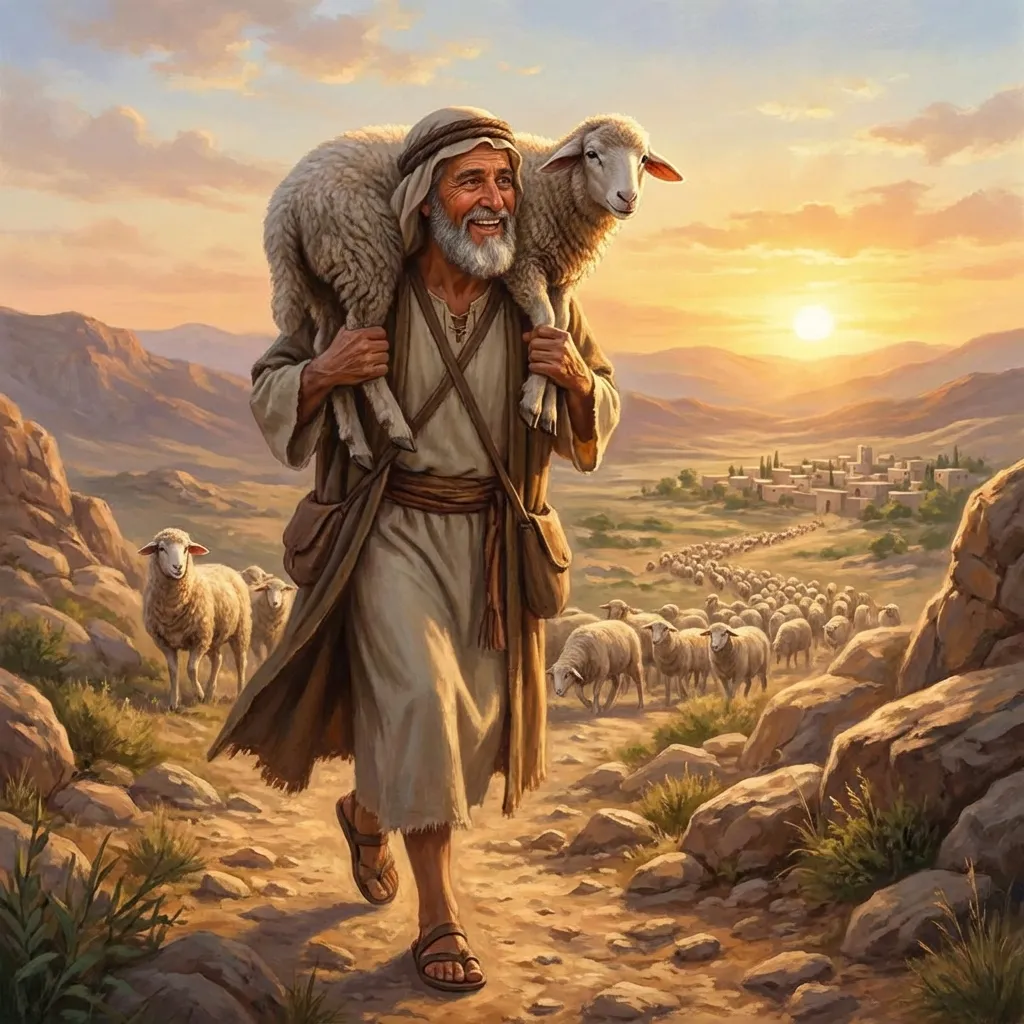
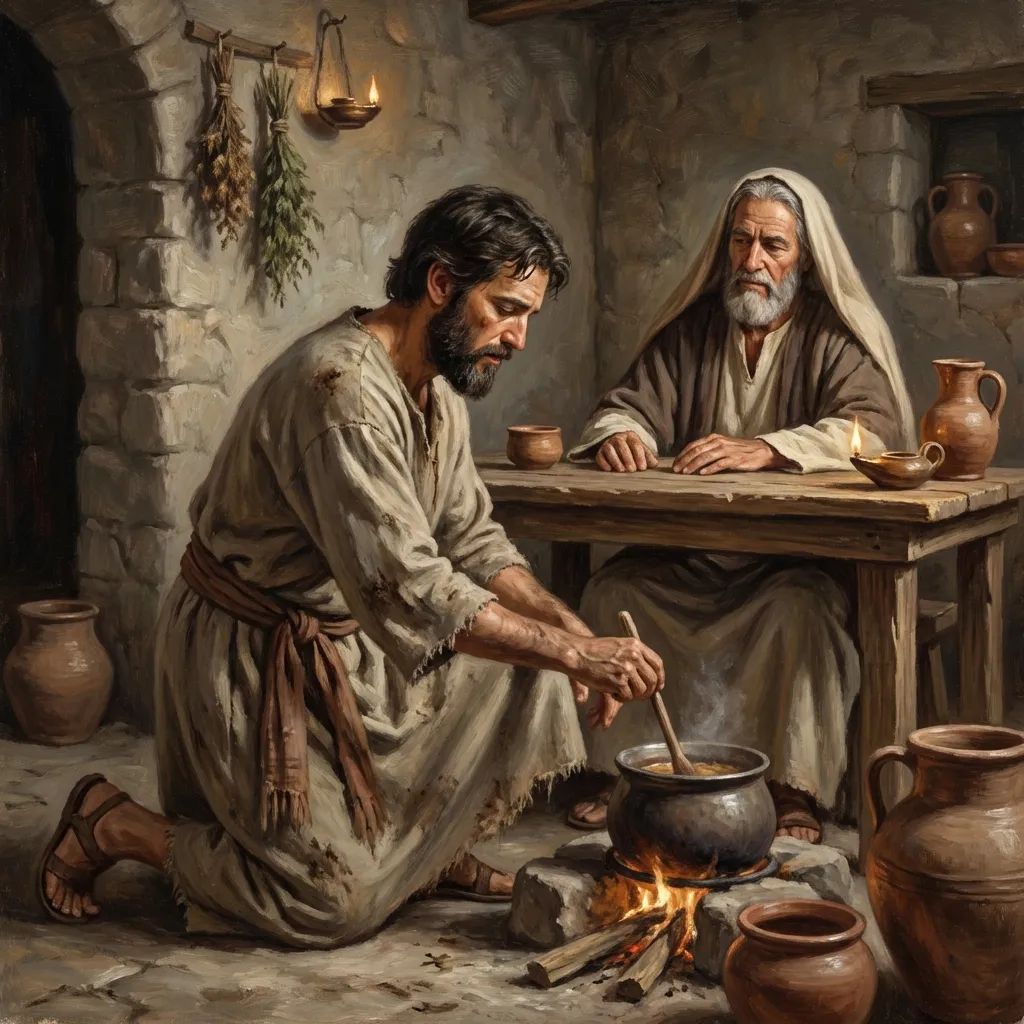
Jesus presented a scenario familiar to every rural landowner: "Suppose one of you has a servant plowing or looking after the sheep. Will he say to the servant when he comes in from the field, 'Come along now and sit down to eat'? Won't he rather say, 'Prepare my supper, get yourself ready and wait on me while I eat and drink; after that you may eat and drink'?" (Luke 17:7-8). The servant's day does not end when the sun dips below the horizon. Having labored behind the plow in the heat of the day, he must wash his hands, gird his waist, prepare the evening meal, and wait upon his master at the table. Only after the master is satisfied does the servant eat his own modest crust.
3. Freedom from Obligation: Does the Master Thank the Servant?
Jesus posed a rhetorical question with an obvious cultural answer: "Will he thank the servant because he did what he was told to do?" (Luke 17:9). In the ancient world, the answer was an emphatic 'No.' Fulfilling a contractual or legal obligation creates no debt of gratitude. A master does not owe a medal to a servant who merely did what was commanded. In the same way, when we fast, pray, give to the poor, preach the Gospel, and endure hardship, we have not done God an extraordinary favor. We have simply begun to live as His redeemed creatures ought to live.
4. The Confession of Unworthy Servants
Christ commanded His apostles to adopt a permanent spiritual posture: "So you also, when you have done everything you were told to do, should say, 'We are unworthy servants; we have only done our duty'" (Luke 17:10). The Greek word achreioi does not mean useless or despised. It means that we have produced no surplus profit that makes God our debtor. We can never stand before the Throne and boast: 'Look what I have done for You, Lord; now You owe me blessings, health, and a crown.' Grace remains 100% unearned, even at the end of a lifetime of martyrdom.
5. The Joy of Grace-Driven Discipleship
This parable purifies the Christian heart from the toxic poison of legalism and mercenary bargaining. When we realize that God owes us nothing, every breath, every answer to prayer, every spiritual gift, and every heavenly reward becomes an explosion of unmerited mercy! God does indeed reward His servants (Luke 12:37 even portrays the Master astonishingly girding Himself to serve His watchful servants!), but He does so out of the boundless generosity of His fatherly heart, not out of contractual debt. We serve Him not to put Him in our debt, but because we are head-over-heels in love with the King who died for us.
Biblical Keywords & Theological Roots
Bondservant, slave; a person whose entire life, will, and labor belong completely and permanently to another.
Unworthy, unprofitable, having no claim to special favor; performing duty without putting the master under legal debt.
To wait on table, serve food, minister; physical domestic labor executed with submissive readiness.
Ancient Near Eastern & Archaeological Context
In the 1st century Greco-Roman and Jewish world, domestic slavery was an established legal reality. A rural household often had only one or two slaves (*douloi*), who had to multitask as plowmen, shepherds, bakers, and table servers. Under ancient property law, an enslaved person had no legal personality; they could own no property and possessed no legal claim against their master for overtime or gratitude. Fulfilling the master's orders did not put the master in the servant's debt. Jesus utilized this stark, unsentimental legal reality not to endorse the institution of slavery, but to radically reset His disciples' theology: sinful human beings can never put the Creator in their debt.
🔑 Key Spiritual Takeaways
- God is in No One's Debt: Even our most heroic, sacrificial obedience places God under no moral or legal obligation to reward us.
- Obedience is Our Baseline Duty: Fulfilling God's commandments is not extra credit earning spiritual merit; it is the fundamental duty of redeemed creatures.
- Eradication of Spiritual Pride: Disciples must constantly guard against the subtle poison of believing God owes them health, wealth, or favor because of their service.
- Grace Remains Undiluted: In God's Kingdom, all rewards are gifts of sovereign grace, not wages earned by human achievement.
Support Independent Biblical Research
Did this study bless you? Help support our independent bilingual research and interactive visual Bible tools.
⚡ Fast Facts
- Apostolic Faith Request Context: Delivered in Luke 17:7-10 immediately after the apostles cried out: 'Lord, increase our faith!' (Luke 17:5).
- Twofold Labor of the Peasant Slave: The servant performs exhausting agrarian field labor (plowing or tending sheep) all day, followed immediately by domestic kitchen labor (cooking and waiting tables) at night before eating his own dinner.
- Zero Entitlement Culture: The master does not thank the servant for doing what was commanded, because fulfilling an obligation creates no legal debt.
- The Definitive Humble Confession: Christ commands disciples to declare: 'We are unworthy servants; we have only done our duty' (Luke 17:10).
❓ Frequently Asked Questions (FAQs)
Why did Jesus call His faithful followers 'unworthy servants' (achreioi douloi)?
The Greek term *achreios* does not mean 'worthless' or 'despicable.' In commercial usage, it means 'unprofitable' in the sense of not generating surplus profit that puts the master in debt. Jesus was teaching that our obedience simply fulfills our baseline covenant obligation; we cannot earn bonus spiritual credits with God.
How does this parable relate to the apostles' request to 'increase our faith' in Luke 17:5?
The disciples assumed faith was a quantitative substance that earned spiritual power. Jesus corrected them: even tiny faith like a mustard seed can uproot a mulberry tree. The true issue is not flexing miraculous muscle, but living in humble, obedient surrender as a servant without expecting applause.
Does God really never reward or thank His servants?
Scripture abundantly teaches that God rewards His saints (Matthew 25:21; Luke 12:37). However, those rewards are lavished out of pure sovereign fatherly grace, never as a debt owed to human merit. This parable purifies our motives so we serve out of gratitude, not mercenary entitlement.