Recorded exclusively in Mark 4:26-29, the Parable of the Growing Seed is an essential masterpiece of pastoral comfort and theological wisdom. Nestled among the kingdom parables of the Sea of Galilee, Jesus reveals the secret mystery of spiritual regeneration, delivering His servants from manipulative anxiety by anchoring their faith in the self-generating, supernatural power of the Word of God.
1. The Scattering of the Seed: The Limit of Human Effort
Jesus began: "This is what the kingdom of God is like. A man scatters seed on the ground" (Mark 4:26). The farmer's role is indispensable yet clearly demarcated: he tills the soil, breaks the clods, and scatters the grain. He cannot manufacture life, design DNA, or command the clouds to drop their rain. The call of every disciple, parent, pastor, and evangelist is faithful proclamation. We are called to sow the seed of the Gospel liberally across every field, trusting God for the outcome.
2. The Rhythm of Sleep and the Secret Work of Grace
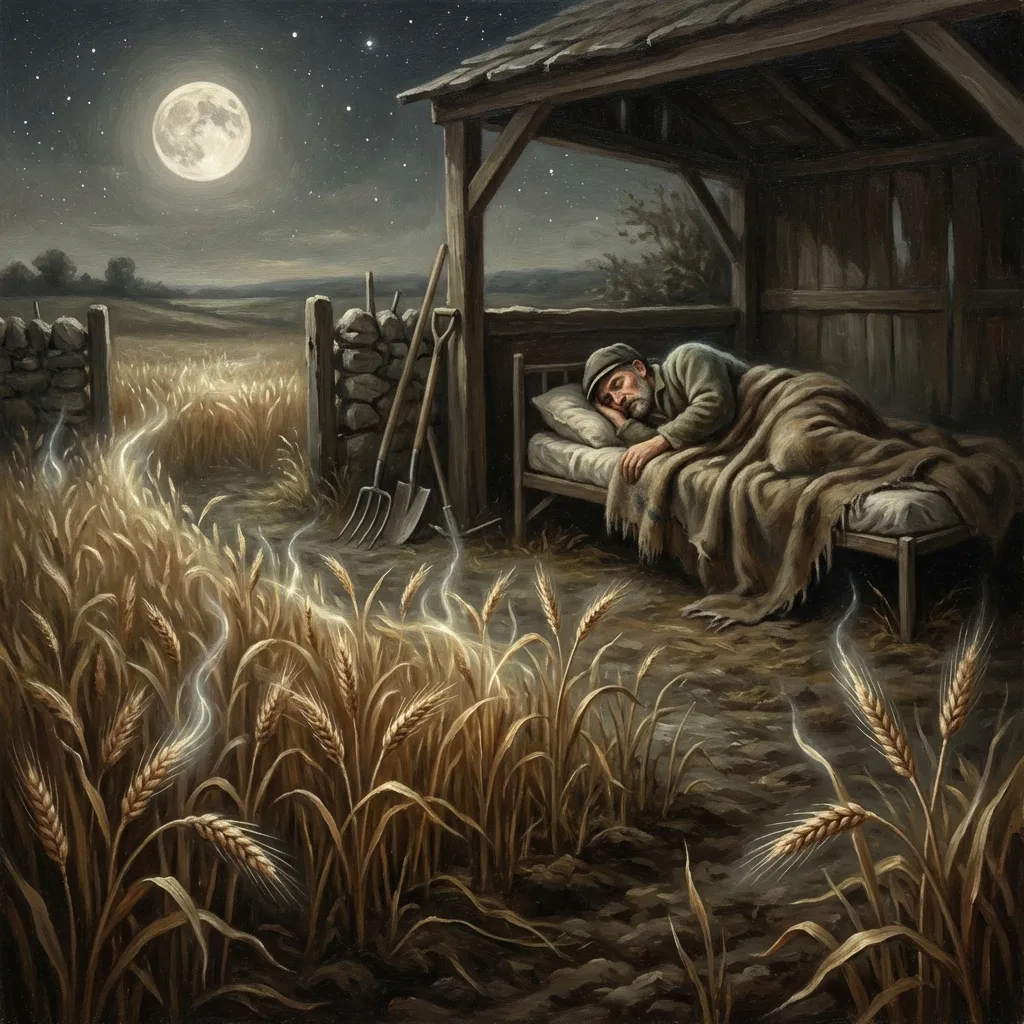
What follows is one of the most comforting descriptions of human rest in Scripture: "Night and day, whether he sleeps or gets up, the seed sprouts and grows, though he does not know how" (Mark 4:27). The sower does not sit in the furrow staring anxiously at the dirt; he goes to bed, sleeps soundly, rises to eat his bread, and attends to his daily tasks. Meanwhile, in the pitch-black silence beneath the soil, moisture swells the seed coat, enzymes awaken, the embryo expands, and fragile roots push downward. Spiritual regeneration is an invisible, sovereign work of the Holy Spirit far beyond the scrutiny or control of human analysis.
3. Automatos: The Inherent Power of the Kingdom
Jesus unmasks the divine engine: "All by itself the soil produces grain" (Mark 4:28). In the original Greek text, the phrase is automatē hē gē karpophorei—the earth bears fruit 'automatically,' of its own divine propulsion! The Gospel is not a dead moral philosophy requiring human psychological marketing to keep it alive. The Word of God is living and active (Hebrews 4:12), pregnant with resurrection power. When buried in the soil of a human heart, it possesses all the genetic code of heaven necessary to sprout into eternal life.
4. The Inviolable Sequence of Spiritual Maturation
Growth is never erratic; it follows an orderly, organic divine progression: "first the stalk, then the head, then the full kernel in the head" (Mark 4:28). You cannot skip steps. A newly converted believer is a tender, fragile green shoot (chortos), easily bent by the wind. It is foolish to expect the mature, heavy golden grain of advanced sanctification from a week-old convert. Spiritual growth demands patient seasons of sunshine, rain, weeding, and time. We must learn to cherish every stage of grace.
5. The Thrust of the Golden Sickle
The parable reaches its triumphant, inevitable consummation: "As soon as the grain is ripe, he puts the sickle to it, because the harvest has come" (Mark 4:29). Sowing may be laborious and waiting may test our patience, but the harvest is an absolute guarantee. When the ear is packed with golden grain, the farmer swings the curved iron sickle (drepanon). All the quiet, hidden work of grace in hearts, families, and nations will culminate in the glorious, overflowing harvest of the Kingdom of God.
Biblical Keywords & Theological Roots
Automatically, of its own accord, by its innate divine power; producing fruit without external human manipulation.
Blade, green shoot, young grass; the fragile, initial stage of visible spiritual growth breaking through the soil.
Sickle, curved reaping iron; the instrument of harvest swung immediately when the grain reaches full maturity.
Ancient Near Eastern & Archaeological Context
In the basalt-strewn plains of the Jezreel Valley and lower Galilee, peasant farming was an act of raw faith. Ancient farmers had no knowledge of cellular mitosis, plant genetics, or photosynthetic synthesis. They plowed dry soil with an oxen-drawn wooden ard, hand-scattered barley or wheat, and waited for the unpredictable rains. Once buried, the seed disappeared into the darkness of the earth. The farmer could neither pull on the sprout to make it grow faster nor inspect the underground roots without killing the plant. He had to surrender control, sleeping and rising, trusting the providential creator to bring forth the harvest.
🔑 Key Spiritual Takeaways
- The Inherent Power of the Word: The Gospel seed contains supernatural, self-generating life (*automatos*); the kingdom advances by divine vitality, not human marketing.
- Human Duty and Divine Sovereignty: Man's responsibility is faithful sowing and harvesting; the mysterious miracle of spiritual regeneration belongs exclusively to God.
- Patience with Spiritual Maturation: Do not despise the tender blade or demand full grain prematurely; spiritual growth requires progressive seasons of waiting.
- The Certainty of Harvest: God's invisible work beneath the soil guarantees an ultimate, triumphant harvest for all faithful labor.
Support Independent Biblical Research
Did this study bless you? Help support our independent bilingual research and interactive visual Bible tools.
⚡ Fast Facts
- Unique to Mark's Gospel: The Parable of the Growing Seed (Mark 4:26-29) is the only parable found exclusively in Mark, omitted by Matthew and Luke.
- The Sower's Restful Ignorance: The farmer scatters the seed and then sleeps and rises night and day, while the seed sprouts and grows without him understanding how (*hōs ouk oiden autos*).
- Orderly Progression: Botanical and spiritual growth follows an unalterable divine sequence: first the blade (*chorton*), then the ear (*stachyn*), then the full grain in the ear (*plērē siton*).
- Echo of Joel 3:13: The swinging of the sickle when the crop is ripe directly echoes Joel's eschatological harvest call: 'Swing the sickle, for the harvest is ripe.'
❓ Frequently Asked Questions (FAQs)
Why is the farmer described as 'sleeping and rising' while the seed grows?
The phrase 'night and day, whether he sleeps or gets up' underscores the limitations of human effort. After the Word is sown, spiritual growth occurs through the secret, unceasing ministry of the Holy Spirit while human instruments rest, emphasizing God's total sovereignty in salvation.
What is the meaning of the Greek word 'automatos' in Mark 4:28?
The term *automatos* (from which we get 'automatic') literally means 'acting of one's own power.' In antiquity, it described crops that grew wild without human cultivation. Here, it signifies that the Kingdom of God advances not by human engineering, but by its own inward, supernatural, resurrection vitality.
How does this parable comfort Christian parents, pastors, and evangelists?
It delivers Christian workers from anxiety and manipulative burnout. Having faithfully sown the seed of God's Word in children's hearts or churches, we can rest peacefully, knowing that the harvest does not depend on our frantic micromanagement, but upon the living power of the Word of God.