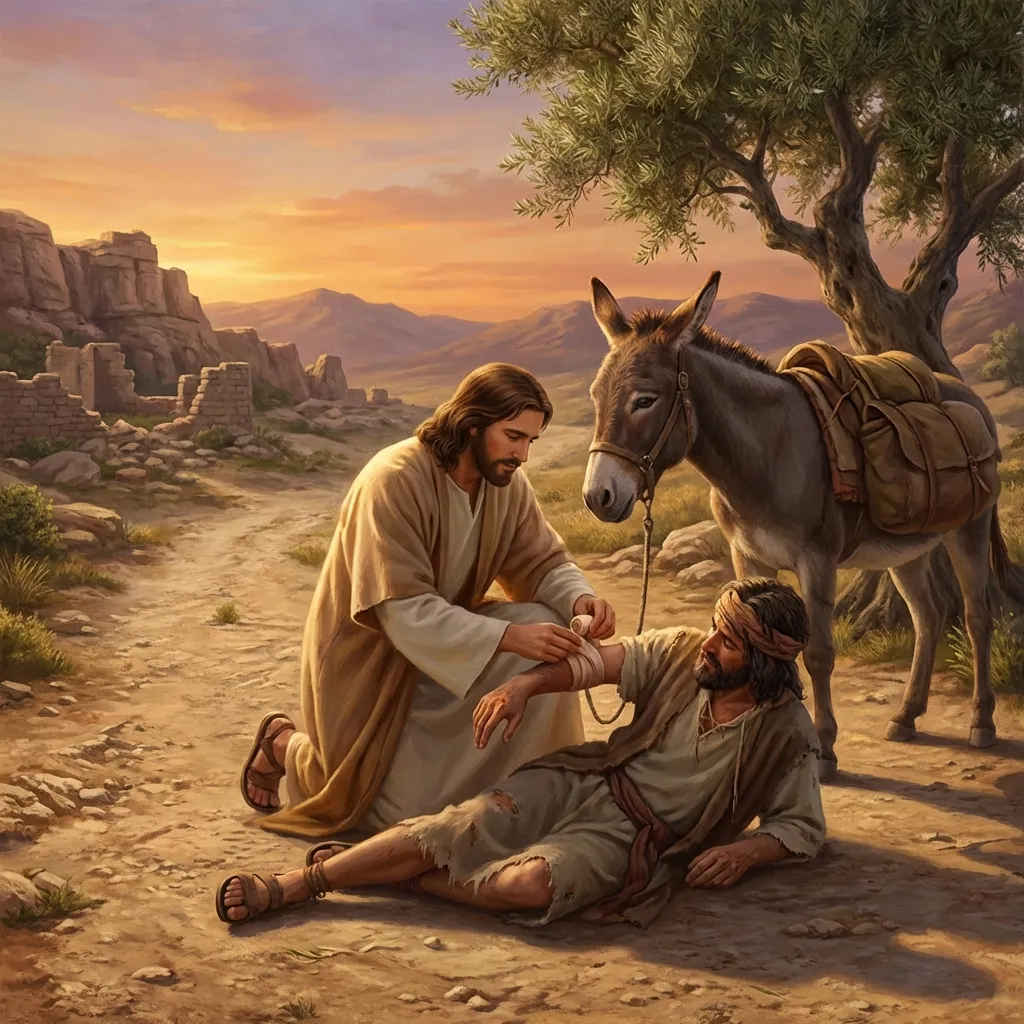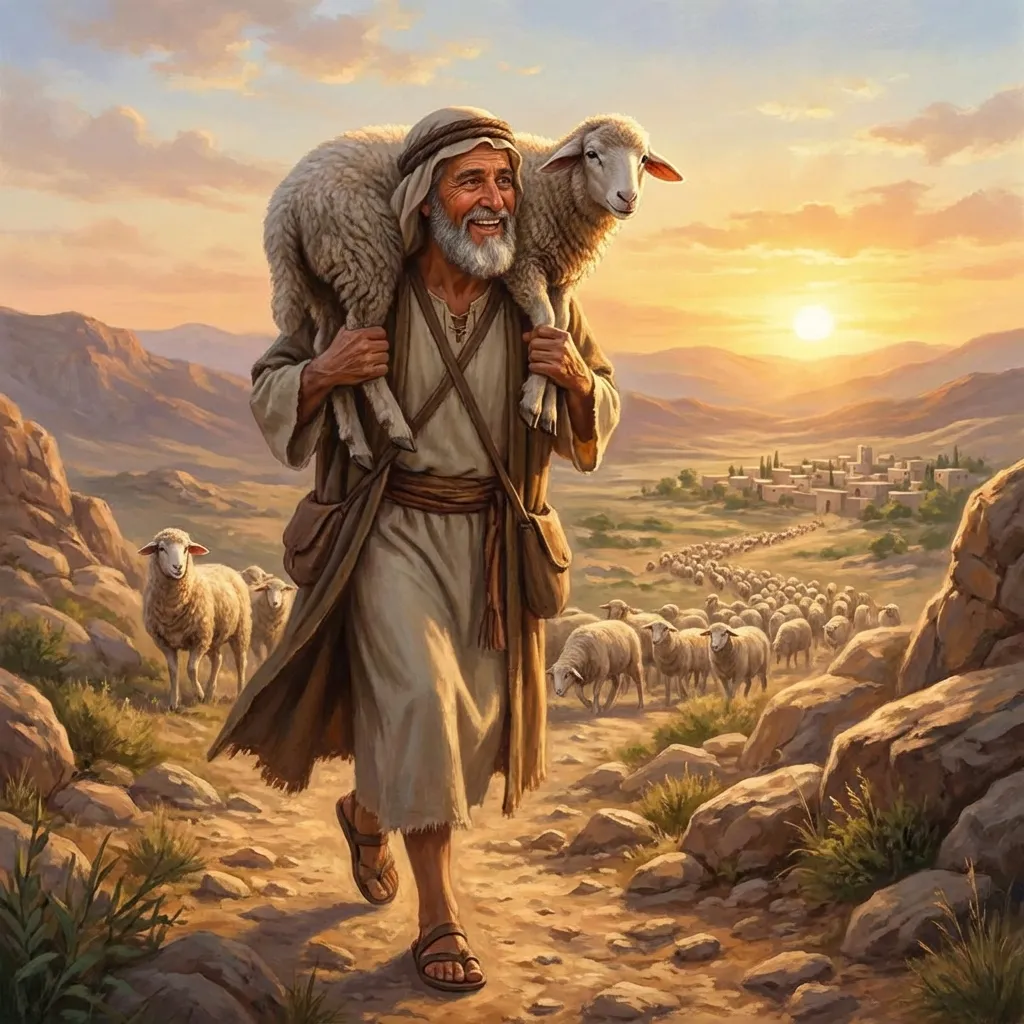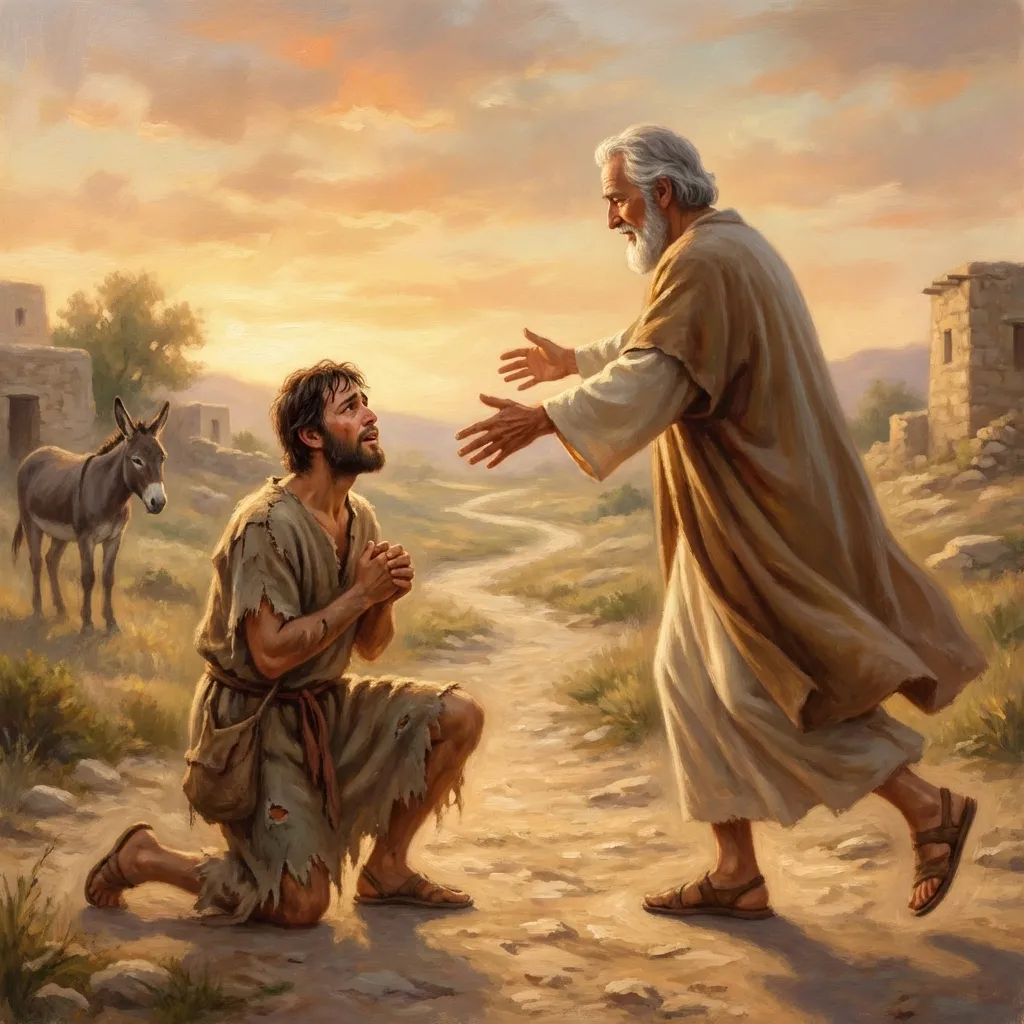
Commonly hailed as the greatest short story ever penned, the Parable of the Prodigal Son in Luke 15:11-32 is the climax of Christ's trilogy of grace. Moving from a lost sheep to a lost coin, Jesus now unveils two lost sons: one who strayed through wild rebellion in a far country, and one who was spiritually lost in self-righteous legalism right inside his father's house.
1. The Audacity of Demanding the Inheritance
The younger son came to his father with an insolent demand: "Father, give me my share of the estate." In patriarchal Jewish culture, an inheritance was distributed only upon the father's death. The boy was effectively declaring: 'Father, you are in my way; I wish you were dead so I could have your money.' With profound, heartbreaking love, the father granted his freedom, dividing the livelihood between them.
2. The Degradation of the Far Country
Gathering all his assets, the boy journeyed to a distant pagan country, squandering his wealth in wild, reckless living (asōtōs). When a severe famine struck the land, his fair-weather friends abandoned him. In utter desperation, he hired himself out to a Gentile citizen to feed pigs. For a Jewish youth, touching unclean swine was the deepest abyss of degradation. Famished, he longed to fill his stomach with the carob pods that the pigs were eating, but no one gave him anything.
3. Coming to His Senses
Starving in the mud, Luke 15:17 records the turning point of salvation: "When he came to his senses..." He realized that even his father's hired servants had bread to spare while he was dying of hunger. Crafting a humble confession—"Father, I have sinned against heaven and against you. I am no longer worthy to be called your son; make me like one of your hired servants"—he arose and began the long, humiliating walk home.
4. The Running Father and the Kiss of Grace
While he was still a long way off, his father saw him. The father had been watching the horizon daily. In ancient Near Eastern culture, noble patriarchs never ran; lifting a tunic to run exposed bare legs, which was considered deeply undignified. But love shatters decorum. The father ran down the road, threw his arms around his pig-stinking son, and smothered him with kisses (katephilēsen). Before the boy could even finish his rehearsed speech about becoming a hired servant, the father interrupted: "Quick! Bring the best robe and put it on him. Put a ring on his finger and sandals on his feet" (Luke 15:22).
5. The Tragedy of the Elder Brother
The story ends not in the banquet hall, but outside in the dark with the older brother. Hearing music and dancing, the elder son was furious and refused to enter. Confronting his father, he complained: "Look! All these years I've been slaving for you and never disobeyed your orders. Yet you never gave me even a young goat so I could celebrate with my friends!" Notice his heart: he served not out of filial love, but as a bitter slave. He represents the self-righteous Pharisees who resent God's grace to broken sinners. The father tenderly pleaded with him: "My son, you are always with me, and everything I have is yours. But we had to celebrate and be glad, because this brother of yours was dead and is alive again; he was lost and is found."
Biblical Keywords & Theological Roots
Reckless, wasteful, riotous living; squandering divine inheritance in hedonistic, debauched self-indulgence.
'Coming to his senses / coming to himself'; the awakening moment of spiritual sanity recognizing his utter destitution.
Kissed him repeatedly and affectionately; the father running, embracing, and covering his pig-stinking son with passionate kisses.
Ancient Near Eastern & Archaeological Context
In ancient Jewish patriarchal society, requesting an inheritance while the father was still in good health was an unthinkable social insult equivalent to wishing the father dead. Under Deuteronomy 21:17, the younger son was entitled to one-third of the movable estate. Selling his patrimony to finance a journey to a 'distant country' (*chōra makra*) meant liquidating ancestral covenant soil to live among unclean Gentiles. Reaching the degradation of herding swine—animals considered utterly abominable under Leviticus 11:7—represented absolute rock-bottom apostasy. In Middle Eastern village culture, an elderly patriarch never ran, as lifting his long tunics to sprint down a public street exposed his bare legs and destroyed his patriarchal dignity (*hizyeh*); yet the father ran to shield his son from the communal shaming ceremony (*qetsatsah*) performed on apostates.
🔑 Key Spiritual Takeaways
- Sin is Desiring the Father's Goods Without the Father: The younger son wanted the inheritance, but had no desire for relationship with the father.
- The Destructive Illusion of the Far Country: The worldly far country promises freedom and pleasure, but delivers bankruptcy, famine, and pigpens.
- Unconditional, Running Grace: The father did not wait on the porch with folded arms; he saw him from a distance, ran, embraced, and kissed him before any confession.
- The Elder Brother's Religion: The older son was equally lost—living in the father's house with the heart of a bitter, self-righteous slave, refusing to celebrate grace.
Support Independent Biblical Research
Did this study bless you? Help support our independent bilingual research and interactive visual Bible tools.
⚡ Fast Facts
- Demanding Inheritance Early: In ancient Near Eastern culture, asking for an inheritance while the father was alive was the moral equivalent of saying 'I wish you were dead.'
- The Shame of Pig Feeding: For a Jewish youth, herding and eating the pods of unclean swine (Leviticus 11:7) was the ultimate rock-bottom degradation.
- The Running Father: In Greco-Roman and Jewish cultures, patriarchs never ran; to run required lifting the long tunic, exposing bare legs, which was considered deeply undignified.
- Robe, Ring, and Sandals: The best robe restored honor, the signet ring restored family authority and checkbook access, and sandals marked him as a free son, not a barefoot slave.
❓ Frequently Asked Questions (FAQs)
Why did the father run to meet his returning son?
In ancient Middle Eastern villages, a Jewish son who squandered his family inheritance among Gentiles faced the dreaded 'Kezazah' ceremony: villagers would smash a large clay pot before him, declaring him permanently cut off from his people. The father ran through the streets to reach his son first, absorbing the public shame himself.
What is the meaning of the robe, ring, and shoes in Luke 15:22?
The 'best robe' (stolen tēn prōtēn) belonged to the father, covering the son's pigpen rags in the father's own righteousness. The ring granted authority to transact business in the family name. Slaves walked barefoot; sandals proved he was reinstated as a fully restored, free son.
Who does the older brother represent in the context of Luke 15?
The older brother represents the murmuring Pharisees and scribes (Luke 15:1-2). He boasted: 'All these years I've been slaving for you and never disobeyed your orders.' He obeyed out of legalistic duty rather than love, and was furious that sinners were received with joy.