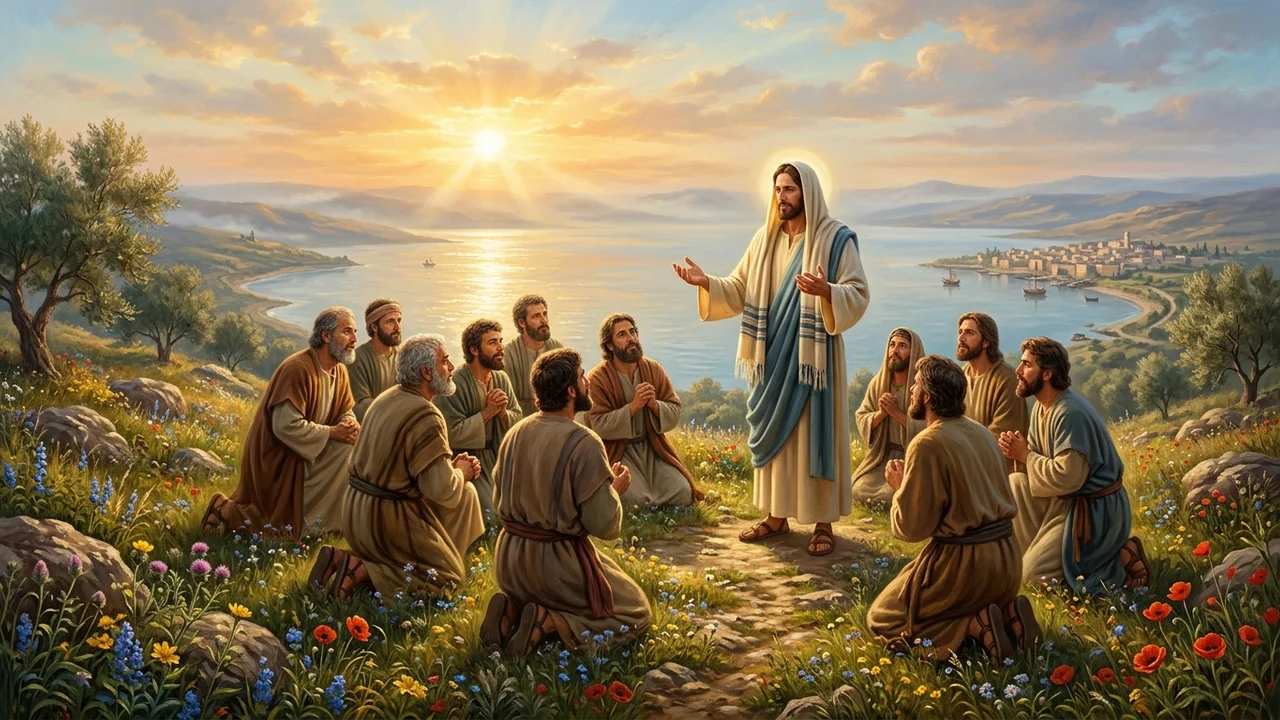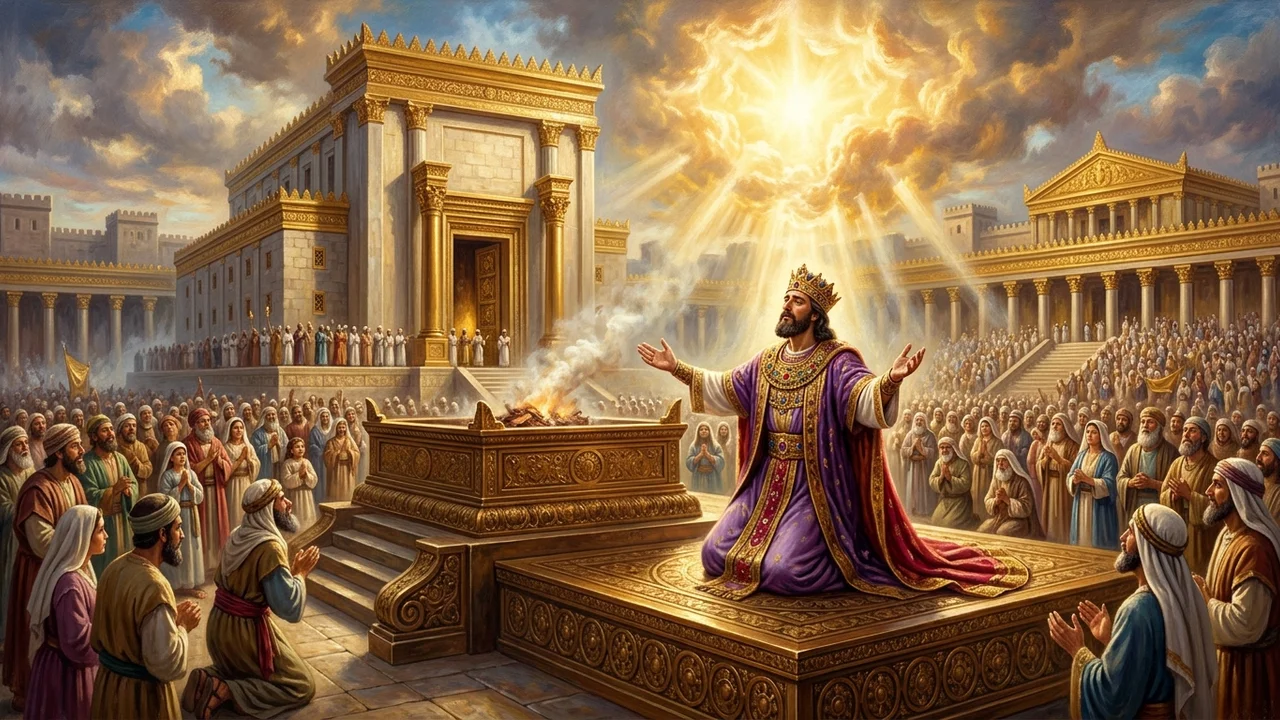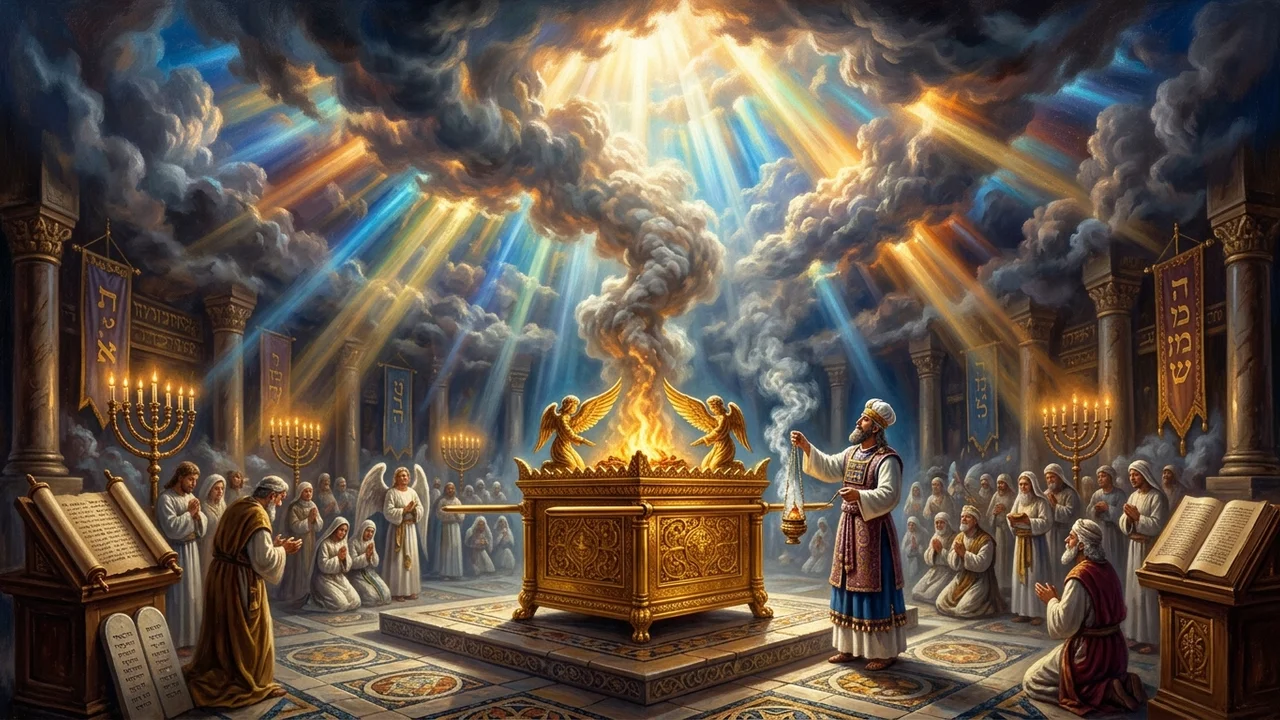
"Moses went back to the Lord and said, 'Oh, what a great sin these people have committed! They have made themselves gods of gold. But now, please forgive their sin—but if not, then blot me out of the book you have written.' ... Moses said to him, 'If your Presence does not go with us, do not send us up from here... Now show me your glory.'"
Anatomy of the Prayer
"Please forgive their sin—but if not, blot me out of your book"
Willing to surrender his own eternal blessing if only the sinful people could receive divine mercy.
"If your Presence does not go with us, do not send us up from here"
Refusing success, angels, or the Promised Land itself unless Yahweh Himself walked in their midst.
"Now show me your glory"
Hungering not just for God's gifts or answers, but to behold the unshielded beauty and holiness of God's person.
At the base of Mount Sinai, while the thunder of God's Law was still echoing in their ears, Israel melted their gold jewelry and formed a Golden Calf, declaring: 'These are your gods, O Israel.' High on the summit, God's righteous wrath burned, and He said to Moses: 'Leave Me alone so that My anger may burn against them and that I may destroy them. Then I will make you into a great nation.'
1. The Test of a True Shepherd
God offered Moses what every human leader dreams of: personal dynastic greatness. Moses could have stepped aside and become the father of a new chosen people. Instead, he threw himself into the breach, arguing for God's glory among the nations and pleading for forgiveness.
2. 'Show Me Your Glory'
After securing forgiveness for the nation, Moses pressed further into intimacy. God offered to send an angel to lead them into the Promised Land, but Moses refused: 'If Your presence does not go with us, do not send us up.' Then came the boldest petition in the Old Testament: 'Show me Your glory.' God placed him in the cleft of the rock and proclaimed His unfathomable goodness.
3. The Theology of Standing in the Breach
Psalm 106:23 reflects on this watershed moment: 'So he said he would destroy them—had not Moses, his chosen one, stood in the breach before him to keep his wrath from destroying them.' In ancient warfare, a breach in the city wall was where the fiercest fighting occurred. Intercession is standing directly in the spiritual gap between a holy God and a sinful people, pleading Christ's righteousness.
4. Intimacy as the Prerequisite for Authority
Moses could speak boldly to God because Exodus 33:11 records that 'the Lord would speak to Moses face to face, as one speaks to a friend.' True intercessory power does not stem from religious technique or loud rhetoric; it is forged in the quiet tent of meeting where secrets of the Father's heart are shared with trusted friends.
5. The Shield of Covenant Fellowship
Moses knew that physical victories in Canaan meant nothing without the holy presence of Yahweh. In an era where many seek divine gifts without the Giver, Moses' cry remains the gold standard of discipleship: 'If your presence does not go with us, do not send us up from here.' True blessing is enjoying unbroken communion with the living God.
Biblical Keywords & Theological Roots
To entreat, beseech, stroke the face of God; describes Moses' desperate, affectionate intercession pleading for divine mercy upon rebellious Israel.
Atonement, covering, reconciliation; making a propitiatory covering over sin so holy wrath is turned away and relationship restored.
Face, personal presence; Moses declared that Israel was utterly ordinary without God's intimate presence accompanying them through the wilderness.
Covenantal steadfast love, loyal mercy, and enduring faithfulness that remains steadfast even when the covenant partner fails.
🔑 Key Spiritual Takeaways
- Standing in the Gap: Psalm 106:23 records: 'Moses, His chosen one, stood in the breach before Him to keep His wrath from destroying them.'
- Presence Over Presents: Moses knew that Canaan with milk and honey was an empty desert without the real presence of God.
- Face-to-Face Friendship: Exodus 33:11 declares that the Lord spoke with Moses face to face, as a man speaks with his friend.
- Typology of Christ: Moses prefigured Jesus Christ, the ultimate Intercessor who gave His life so sinners could be written in the Book of Life.
🛠️ How to Pray & Apply This in Your Life Today
- Intercede for Rebellious Loved Ones: Stand in the gap for backslidden children, broken marriages, or struggling churches instead of judging them.
- Never Move Without God's Presence: Do not take a new job, move cities, or make major life choices without the confirmed peace of God's presence.
- Cultivate Intimate Friendship with God: Move past transactional prayer into communion where you simply desire to know God's heart and glory.
- Appeal to God's Covenant Character: When praying, ground your petitions in God's revealed promises, mercy, and holy reputation.
Prayer for God's Abiding Presence
"Lord God Almighty, You are holy, righteous, and true. Today I come interceding for those around me who are lost and struggling in sin. Lord, extend Your mercy and grant them repentance! I declare today that I desire Your presence more than any earthly blessing, success, or comfort. If Your presence does not go with me, do not lead me forward. Unveil the eyes of my heart and show me Your glory, so that my life may reflect Your holiness to the world. In Jesus' mighty name, Amen."
Support Independent Biblical Research
Did this study bless you? Help support our independent bilingual research and interactive visual Bible tools.
⚡ Fast Facts
- Forty Days of Fasting: Moses fasted forty days and nights twice on Mount Sinai without food or water in God's presence (Deut 9:18).
- The Cleft of the Rock: God hid Moses in the cleft of the rock and covered him with His hand as His goodness passed by (Exodus 33:22).
- Radiant Glowing Face: When Moses descended from the mountain after interceding, his face shone so brightly with reflected glory that he had to wear a veil (Exodus 34:29-35).
- Thirteen Attributes of Mercy: In Exodus 34:6-7, God revealed His fundamental character: 'The Lord, the compassionate and gracious God, slow to anger, abounding in love and faithfulness.'
❓ Frequently Asked Questions (FAQs)
Can prayer change God's mind as seen in Moses' intercession?
Scripture uses anthropomorphic language ('the Lord relented') to describe God responding to Moses' covenantal plea. God did not change His eternal nature, but His sovereign plan included testing Moses' shepherd heart and responding to righteous intercession with mercy rather than wrath.
Why did Moses offer to have his name blotted out of God's book for Israel's sake?
Moses operated in the sacrificial heart of a true shepherd, prefiguring Christ. He loved his people so intensely that he would rather forfeit his own eternal reward than witness their destruction. God commended his love but clarified that only a sinless substitute could bear the penalty for another's guilt.