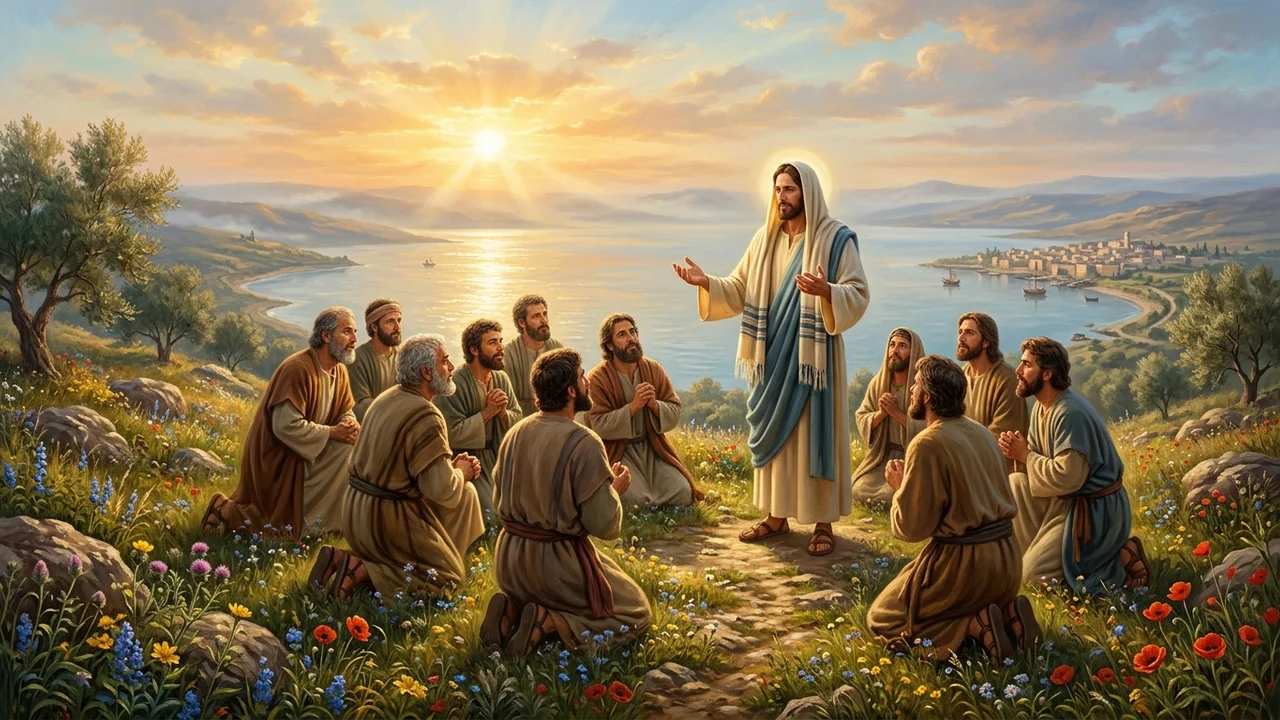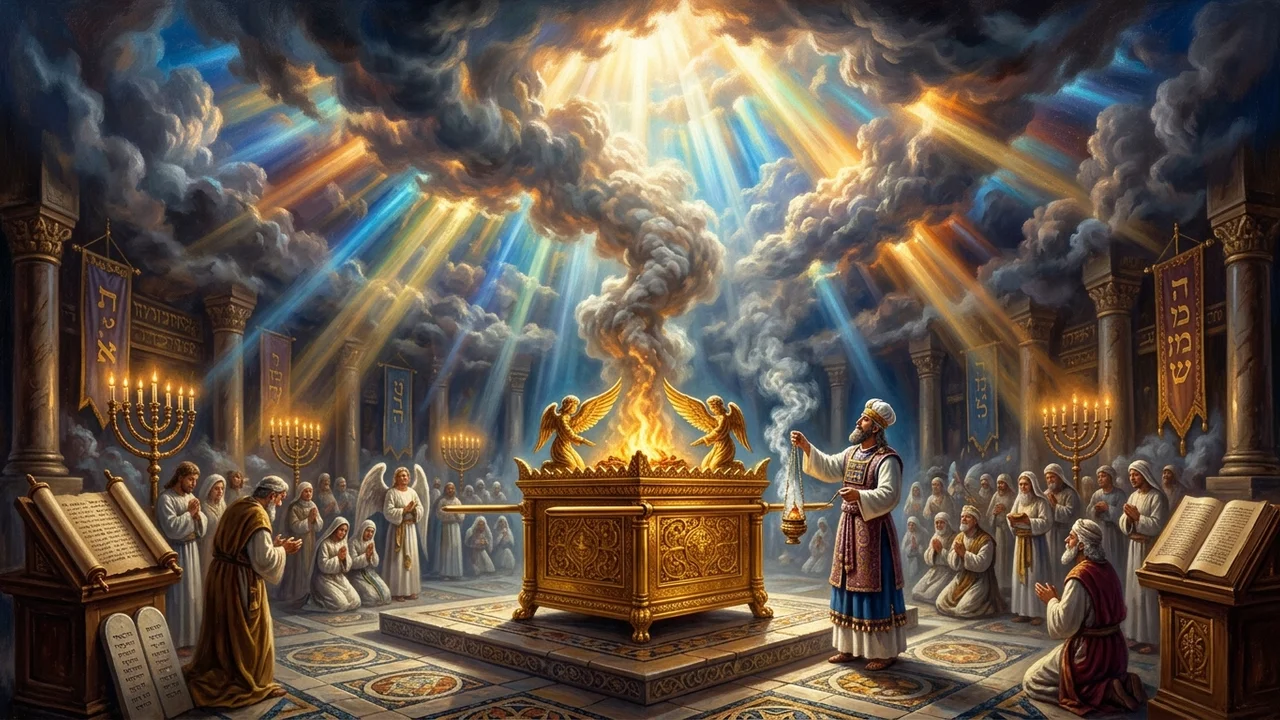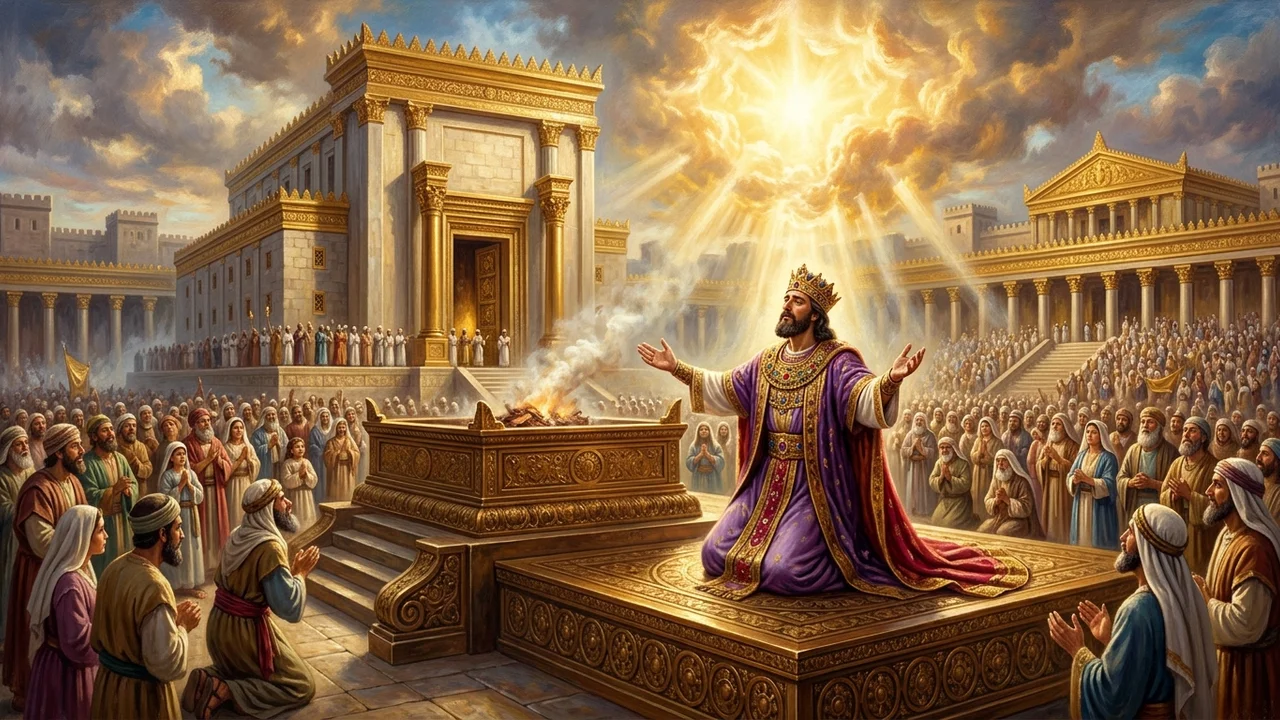
"My heart rejoices in the Lord; in the Lord my horn is lifted high. My mouth boasts over my enemies, for I delight in your deliverance. There is no one holy like the Lord; there is no one besides you; there is no Rock like our God... The Lord brings death and makes alive; he brings down to the grave and raises up. The Lord sends poverty and wealth; he humbles and he exalts. He raises the poor from the dust and lifts the needy from the ash heap; he seats them with princes and has them inherit a throne of honor."
Anatomy of the Prayer
"My heart rejoices in the Lord; my horn is lifted high"
Rejoicing not merely in the gift (the baby boy), but in the Giver who vindicated her faith.
"There is no one holy like the Lord; no Rock like our God"
Acknowledging that God alone is the unshakeable foundation of justice and security.
"He raises the poor from the dust and lifts the needy from the ash heap"
Celebrating how God shatters the bows of the mighty while exalting the humble and brokenhearted.
Year after year, Hannah made the pilgrimage to the Tabernacle at Shiloh carrying a crushed spirit. Barren in a culture where childbearing was everything, and relentlessly provoked by her rival Peninnah, Hannah reached a point of holy desperation.
1. The Power of a Soul Poured Out
In 1 Samuel 1:10, Hannah wept bitterly and prayed. When Eli accused her of drunkenness, she uttered the immortal words: 'I am a woman deeply troubled in spirit... I was pouring out my soul to the Lord.' She didn't offer a canned theological recitation; she laid her raw agony bare before Yahweh.
2. From Prayer to Prophecy
When God remembered Hannah and Samuel was born, she fulfilled her vow by presenting him for lifelong temple service. Then, in 1 Samuel 2, her spirit soared into prophetic ecstasy. She sang of the great 'Divine Reversal'—the weak triumphing over the mighty, the hungry being filled, and the coming of God's Messiah-King.
3. The Great Reversal of Human Pride
Hannah's prophetic hymn declares the core principle of God's Kingdom: 'The bows of the warriors are broken, but those who stumbled are armed with strength.' Human kingdoms elevate wealth, military might, and physical vitality. God's economy systematically humbles the arrogant while exalting the brokenhearted who wait upon Him in quiet faith.
4. The First Prophecy of the Anointed King
Before Israel ever had an earthly monarch, Hannah concluded her prayer by declaring: 'He will give strength to his king and exalt the horn of his anointed (Mashiach)' (1 Samuel 2:10). Her personal breakthrough opened her spiritual eyes to see centuries ahead to David and ultimately to the eternal reign of Jesus Christ.
5. The Birth of Prophetic Intercession
Hannah's transition from bitter tears in Shiloh to triumphant prophecy marks the spiritual birth of Samuel's prophetic era. When God answers a desperate prayer, the breakthrough is never intended for private consumption alone. It is designed to birth spiritual authority that shifts the culture and prepares the way for the Lord's Anointed.
Biblical Keywords & Theological Roots
To exult, jump for joy, rejoice triumphantly with an overflowing heart in the salvation and righteousness of the Lord.
Horn; the ancient symbol of royal dignity, divine strength, unshakeable victory, and public triumph over humiliation and oppression.
Holy, set apart, utterly transcendent and morally pure; emphasizing that there is none like Yahweh in righteousness and majesty.
Anointed One (Messiah); Hannah's prayer contains the very first recorded usage of this title in scripture, prophesying God's coming King.
🔑 Key Spiritual Takeaways
- Pouring Out the Soul: 1 Samuel 1:15 reveals Hannah's prayer secret: 'I was pouring out my soul to the Lord'—unfiltered vulnerability before God.
- Surrendering the Miracle Back: Hannah made a vow that if God gave her a son, she would dedicate him to the Lord all the days of his life—and she faithfully fulfilled it.
- Prophetic Foreshadowing: Hannah's prayer is the biblical prototype for Mary's Magnificat in Luke 1:46-55 ('My soul magnifies the Lord').
- First Use of 'Messiah': Hannah is the first person in the entire Bible to use the title 'His Anointed' (Mashiach / Messiah) in 1 Samuel 2:10.
🛠️ How to Pray & Apply This in Your Life Today
- Bring Raw Grief to the Altar: When misunderstood, mocked, or barren in any area of life, do not retaliate in anger; pour out your tears before God.
- Hold Blessings with Open Hands: Yield back your children, finances, and talents to God's service rather than clutching them selfishly.
- Trust God for the 'Divine Reversal': If you feel cast into the ash heap of humiliation today, remember that God specializes in lifting the needy to seats of honor.
- Praise God for Who He Is: Let your thanksgiving praise focus on God's holiness and rock-solid faithfulness, not just the answered petition.
Hannah's Prayer of Surrender and Praise
"O Lord of Hosts, there is no Rock like You! I bring my deepest griefs, longings, and broken dreams to Your feet today. Forgive me for the times I have looked to human sympathy instead of Your supernatural power. You are the God who raises the poor from the dust and turns barrenness into fruitfulness. I place every blessing You have given me back into Your hands. Let my life and my family be an instrument of Your glory. In Jesus' holy name, Amen."
Support Independent Biblical Research
Did this study bless you? Help support our independent bilingual research and interactive visual Bible tools.
⚡ Fast Facts
- Shiloh Sanctuary: The Tabernacle and the Ark of the Covenant were stationed at Shiloh during Hannah's time before the Temple was built.
- Eli's Mistake: The High Priest Eli initially thought Hannah was drunk because her lips were moving but no voice was heard (1 Sam 1:13).
- Five More Children: After Hannah faithfully gave Samuel to the Lord, God blessed her with three more sons and two daughters (1 Sam 2:21).
- Samuel's Impact: Samuel became the great prophet, judge, and kingmaker who anointed both Saul and King David.
❓ Frequently Asked Questions (FAQs)
Why was Hannah's silent prayer so revolutionary in ancient Israel?
In the ancient Near East, prayers were almost always chanted loudly in public. Hannah's silent, heartfelt communion with God—where only her lips moved and her heart cried out—demonstrated a revolutionary personal intimacy with Yahweh that bypassed formal external religion.
How does Hannah's song foreshadow Mary's Magnificat in Luke 1?
Mary's Magnificat (Luke 1:46-55) directly parallels Hannah's prayer (1 Samuel 2:1-10) in structure, theology, and tone. Both barren/humble women rejoice in God's sovereign reversal of fortune, exalting the lowly, feeding the hungry, shattering the bows of the mighty, and bringing forth the Anointed King.