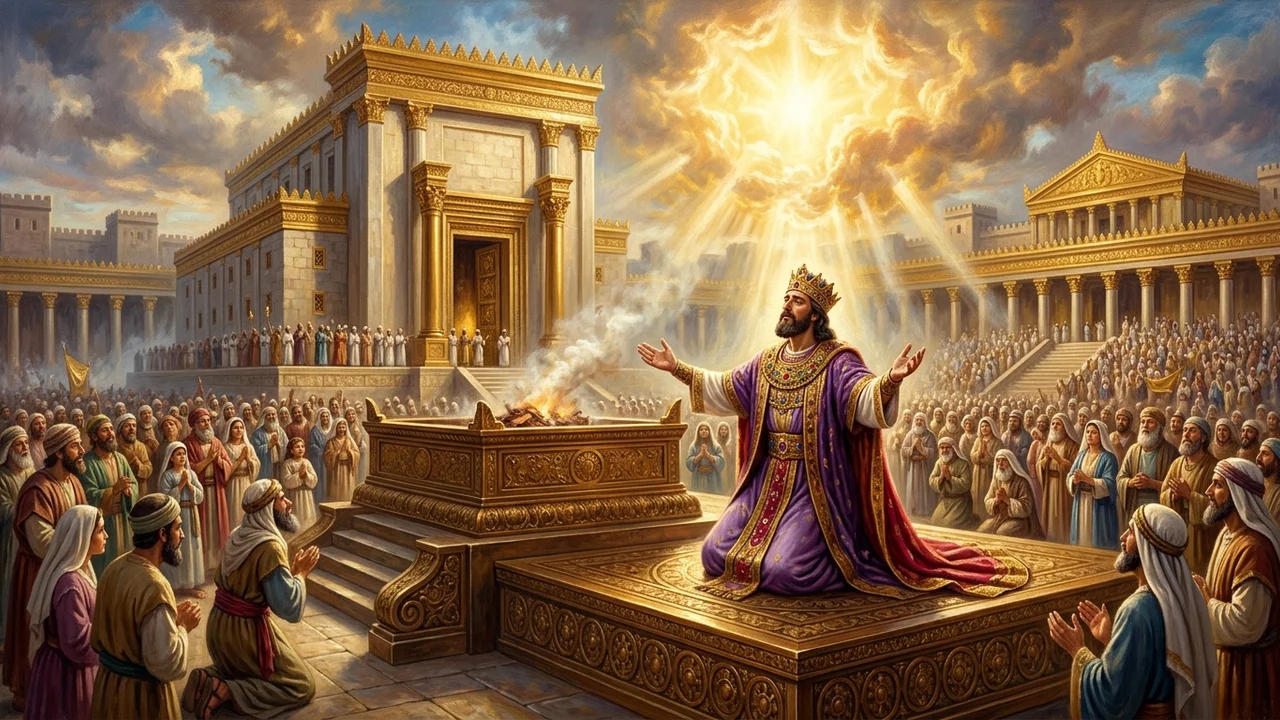
"Have mercy on me, O God, according to your unfailing love; according to your great compassion blot out my transgressions. Wash away all my iniquity and cleanse me from my sin. For I know my transgressions, and my sin is always before me... Create in me a pure heart, O God, and renew a steadfast spirit within me. Do not cast me from your presence or take your Holy Spirit from me. Restore to me the joy of your salvation and grant me a willing spirit, to sustain me... My sacrifice, O God, is a broken spirit; a broken and contrite heart you, God, will not despise."
Anatomy of the Prayer
"Have mercy on me, O God, according to your unfailing love"
Offering zero excuses or merit; relying solely on God's covenant love (Hesed) and tender compassions.
"Against you, you only, have I sinned and done what is evil"
Recognizing that every human offense is primarily a rebellion against the holy character of God.
"Create in me a pure heart, O God; renew a steadfast spirit"
Asking not just for behavioral modification, but for an ex-nihilo creation (Bara) of a holy, clean heart.
"A broken and contrite heart you will not despise"
Presenting true inner grief over sin rather than empty outward animal sacrifices.
For nearly a year, King David lived a lie. He had committed adultery with Bathsheba, orchestrated the assassination of her loyal husband Uriah on the frontlines, and buried his guilt under royal silence. But silence gave way to agony as Psalm 32 notes: 'My bones wasted away through my groaning all day long.'
1. The Parable and the Piercing Word
God sent the prophet Nathan with a devastating parable of a wealthy tyrant stealing a poor man's beloved pet lamb. When David exploded in righteous anger, Nathan leveled his finger: 'You are the man!' The royal facade shattered, and David fell to his knees in unconditional surrender: 'I have sinned against the Lord.'
2. No Excuses, Only Grace
Psalm 51 contains no blame-shifting. David did not blame Bathsheba for bathing on the roof or war stress for his failure. He took 100% ownership of his iniquity, throwing himself entirely upon the fathomless 'Hesed' (unfailing covenant love) of God. It stands as the greatest prayer of cleansing in human history.
🔑 Key Spiritual Takeaways
- The Meaning of 'Create' (Bara): David uses the Hebrew verb 'Bara' (used only of divine creation from nothing in Genesis 1:1), realizing only God can create a clean heart.
- Fear of Losing the Holy Spirit: Having seen King Saul lose the Holy Spirit due to hardened rebellion (1 Sam 16:14), David desperately pleaded: 'Do not take your Holy Spirit from me.'
- Sin Saps Joy: David confessed that unconfessed sin dried up his vitality (Psalm 32:3-4); true repentance restores the lost 'joy of salvation'.
- The Fruit of Restoration: Once cleansed, David promises to teach transgressors God's ways so sinners will turn to Him (Psalm 51:13).
🛠️ How to Pray & Apply This in Your Life Today
- Stop Defending Your Sin: When convicted by the Holy Spirit or Scripture, immediately abandon rationalizations and take full ownership of your failure.
- Confess Godward First: Acknowledge that your pride, lust, dishonesty, or anger grieved the Holy Spirit before seeking human reconciliation.
- Ask for a Heart Transplant: Pray Psalm 51:10 daily: 'Lord, create in me clean thoughts, pure motives, and a steadfast spirit.'
- Reclaim the Joy of Salvation: Do not remain in condemning despair after confessing; receive God's total washing and walk in the joyful freedom of grace.
Daily Prayer of Confession and Cleansing
"O Most Merciful Father, have mercy on me according to Your unfailing love. Wash away all my secret faults, selfish words, and impure thoughts. I offer no excuses; against You have I sinned. Create in me a clean heart, O God, and renew a steadfast, loyal spirit within me. Do not cast me away from Your presence, and do not withhold Your Holy Spirit from my life. Restore to me the vibrant joy of Your salvation, and grant me a willing spirit to obey Your commands today. In Jesus' precious name, Amen."
⚡ Fast Facts
- Historical Context: Written c. 990 BC after Nathan told David the parable of the rich man who stole the poor man's single ewe lamb (2 Sam 12).
- The Hyssop Plant: David prayed 'Cleanse me with hyssop'—referencing the plant used to sprinkle sacrificial blood on Passover doorposts and for cleansing lepers (Lev 14).
- Seven Penitential Psalms: Psalm 51 is the most prominent of the Seven Penitential Psalms in Scripture (Psalms 6, 32, 38, 51, 102, 130, 143).
- A Man After God's Own Heart: David was not called a man after God's heart because he was sinless, but because when he sinned, he repented with absolute, broken humility.
❓ Frequently Asked Questions (FAQs)
David did not minimize his horrific crime against Uriah and Bathsheba. Rather, he recognized the foundational theological truth that all sin is ultimately cosmic rebellion against God's holy law. Harming God's image-bearers is primarily an assault against God Himself.