The Bible is not just a collection of random stories; it is a unified narrative bound together by Covenants. A covenant is a sacred bond between two parties, much deeper than a contract. In a contract, you exchange goods; in a covenant, you exchange lives. God has made seven major covenants with humanity, each revealing a specific aspect of His character and His plan to save the world.
1. The Adamic Covenant (Hosea 6:7)
The Parties: God and Adam (representing all humanity).
The Promise: Life and blessing for obedience.
The Condition: Do not eat from the Tree of the Knowledge of Good and Evil.
The Result: Adam failed. This tragedy, known as the Fall, brought sin and death into the world. But right there in Gen 3:15, God hinted at a future "Seed" (Jesus) who would crush the serpent's head.
2. The Noahic Covenant (Genesis 9)
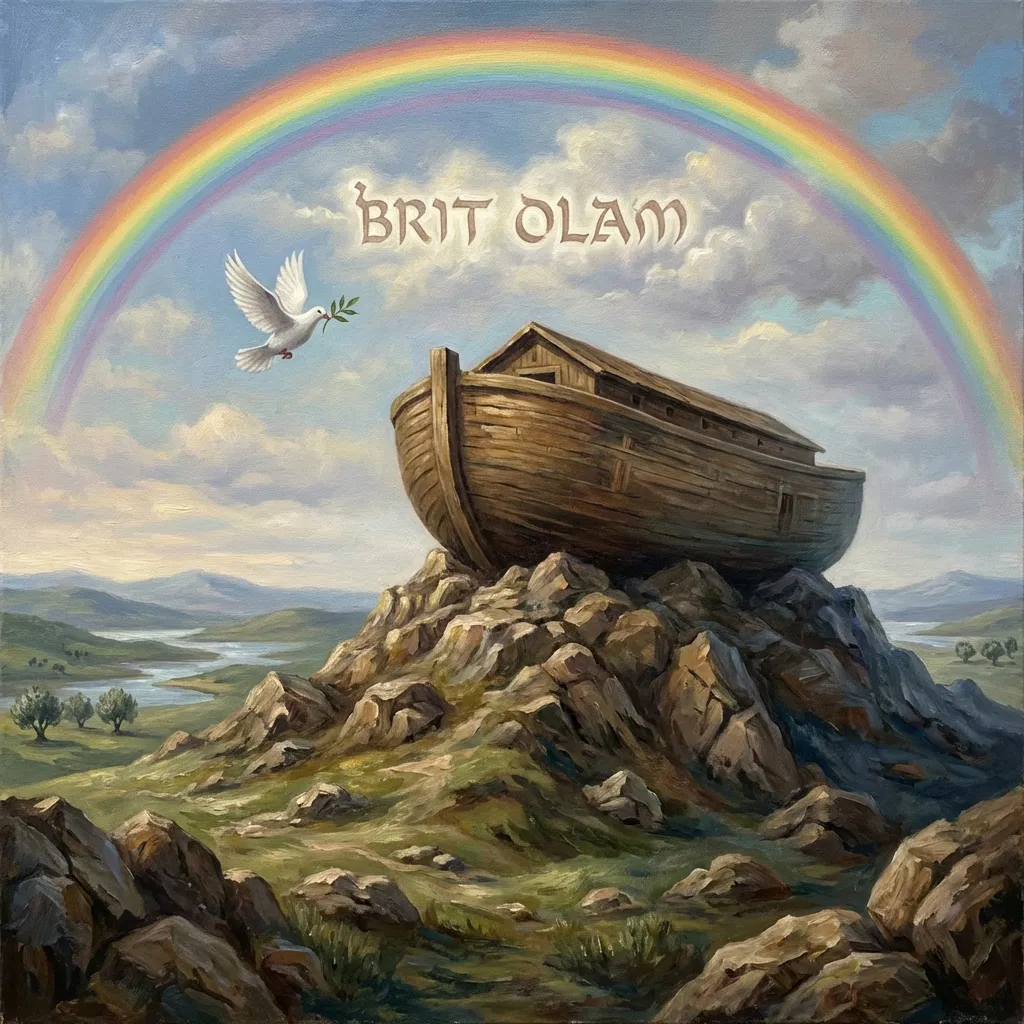 The Rainbow: God's signature in the sky.
The Parties: God and Noah (and all creation).
The Sign: The Rainbow.
The Promise: God promised never to destroy the earth again by water. It is an unconditional covenant of preservation. God maintains the seasons and the earth's stability so that He can work out His plan of redemption in history.
3. The Abrahamic Covenant (Genesis 12, 15, 17)
The Parties: God and Abraham.
The Promises:
- Land: A promised land (Canaan).
- Seed: A great nation (Israel) and a spiritual seed (Christ).
- Blessing: "All families of the earth shall be blessed in you."
4. The Mosaic Covenant (Exodus 19-24)
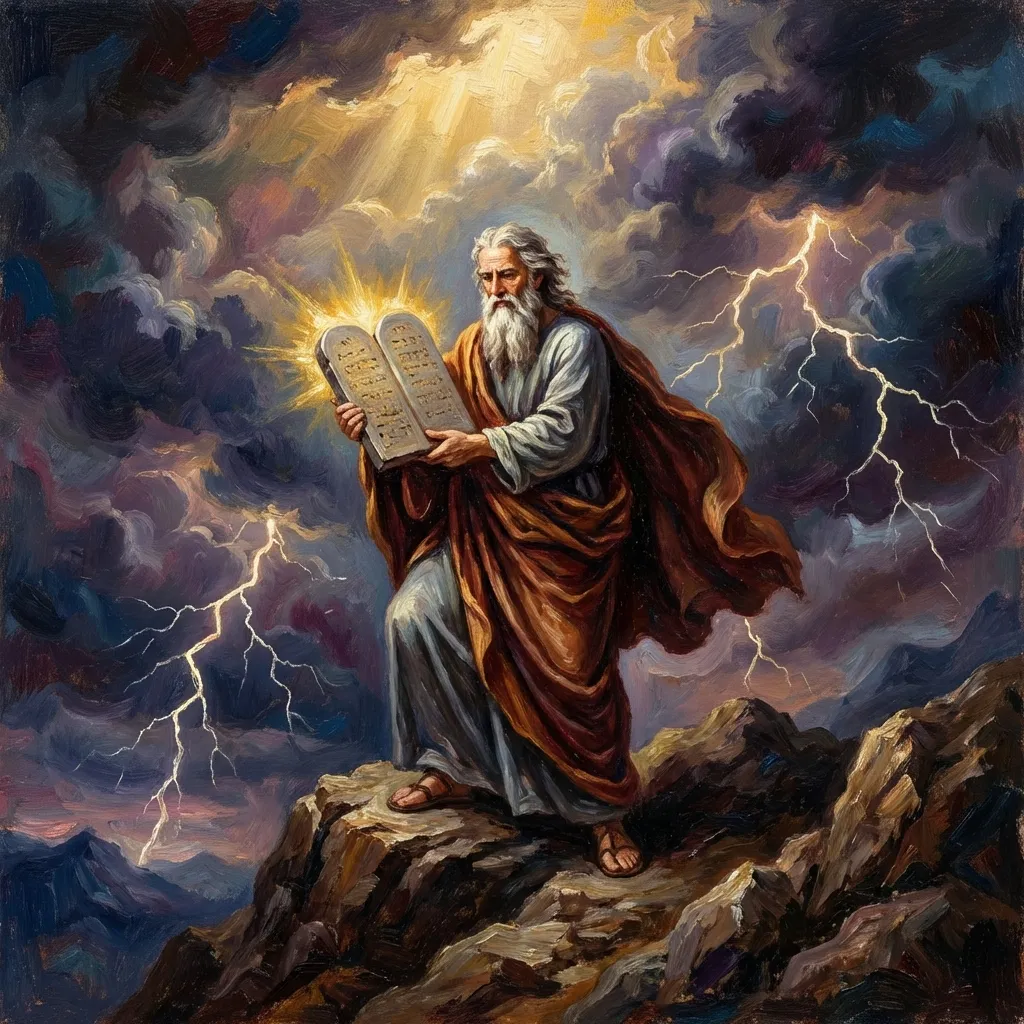 The Law was the schoolmaster to lead us to Christ.
The Parties: God and Israel.
The Condition: "If you obey my voice... you shall be a peculiar treasure."
The Purpose: This was a conditional covenant. It gave the Law (613 commandments), the Priesthood, and the Sacrificial System. It revealed God's holiness and man's sinfulness. It taught that "without the shedding of blood, there is no forgiveness."
5. The Land (Palestinian) Covenant (Deuteronomy 30)
Some theologians view this as an extension of the Mosaic covenant. It promised that although Israel would disobey and be scattered (The Exile), God would eventually repent and regather them to their land. It guarantees Israel's future restoration.
6. The Davidic Covenant (2 Samuel 7)
The Parties: God and King David.
The Promise: "Your house and your kingdom shall be established forever."
The Fulfillment: This promised an eternal King from David's line. Since David is dead and his kingdom fell in 586 BC, this points directly to Jesus Christ, the Son of David, who rules eternally.
7. The New Covenant (Jeremiah 31; Matthew 26)
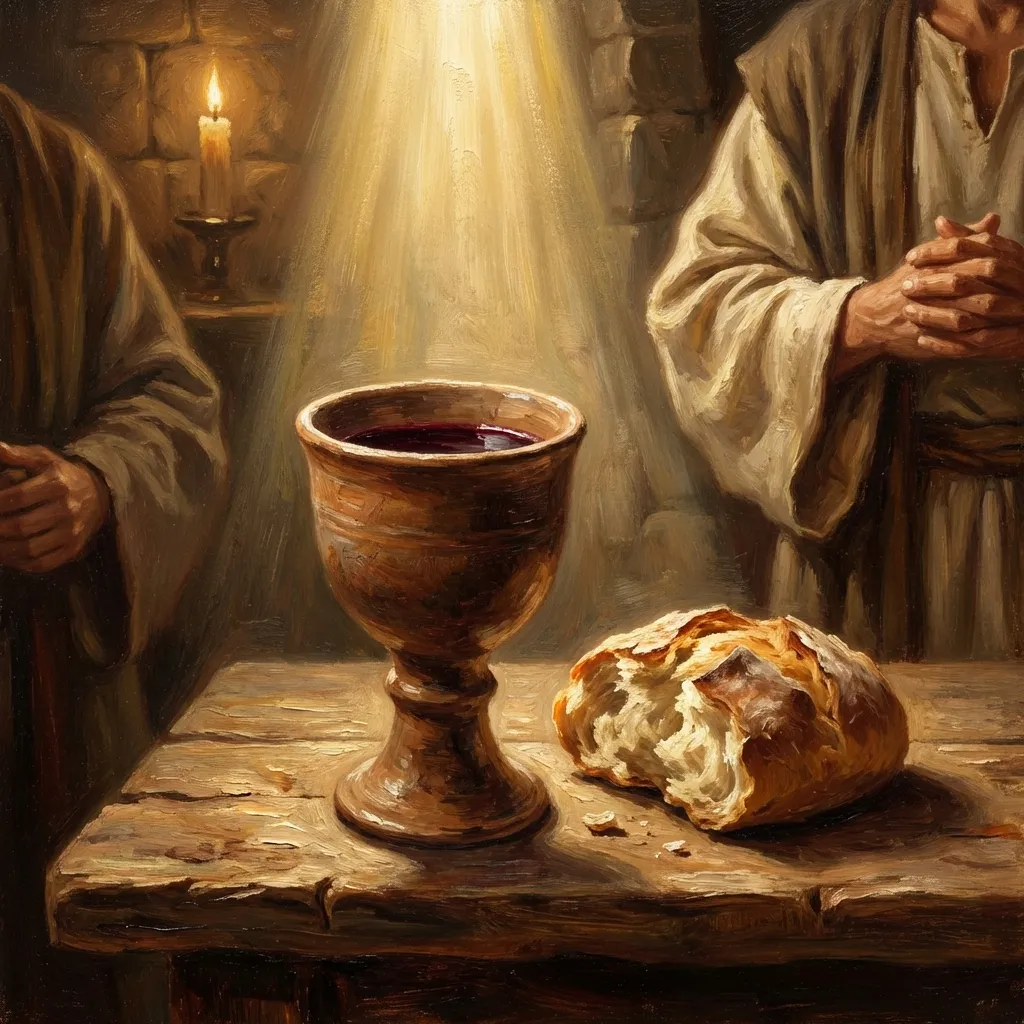 "This cup is the new covenant in my blood..."
The Parties: God and Believers (Jew and Gentile).
The Promise: It replaces the Mosaic Covenant.
- Internal: "I will write my law on their hearts."
- Relational: "They shall all know Me."
- Forgiveness: "I will remember their sin no more."
Conclusion: History is not cyclical; it is linear. God is moving from Promise (Abraham) to Law (Moses) to King (David) to Christ (New Covenant). We are now living under the grace of the New Covenant, awaiting the final restoration.