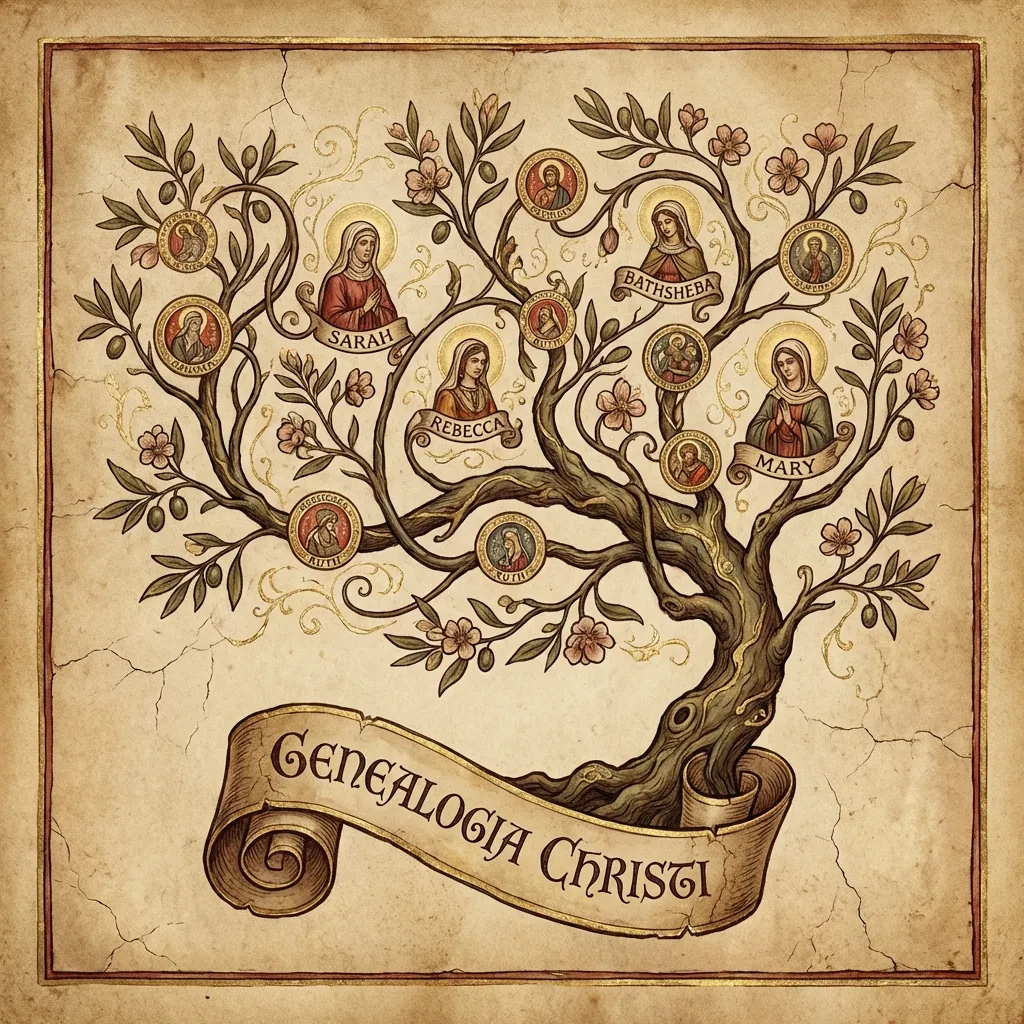
In ancient Jewish genealogies, women were almost never listed. Lineages were traced through fathers. Yet, in the opening chapter of the New Testament, Matthew breaks this tradition by explicitly naming five women in the ancestry of Jesus Christ. Even more shocking is who these women were. They were not all Jewish royalty; they included outsiders, sinners, and victims of scandal. Their inclusion preaches the Gospel before Jesus is even born: that He came for all people, no matter their past.
1. Tamar: The Determined Widow (Genesis 38)
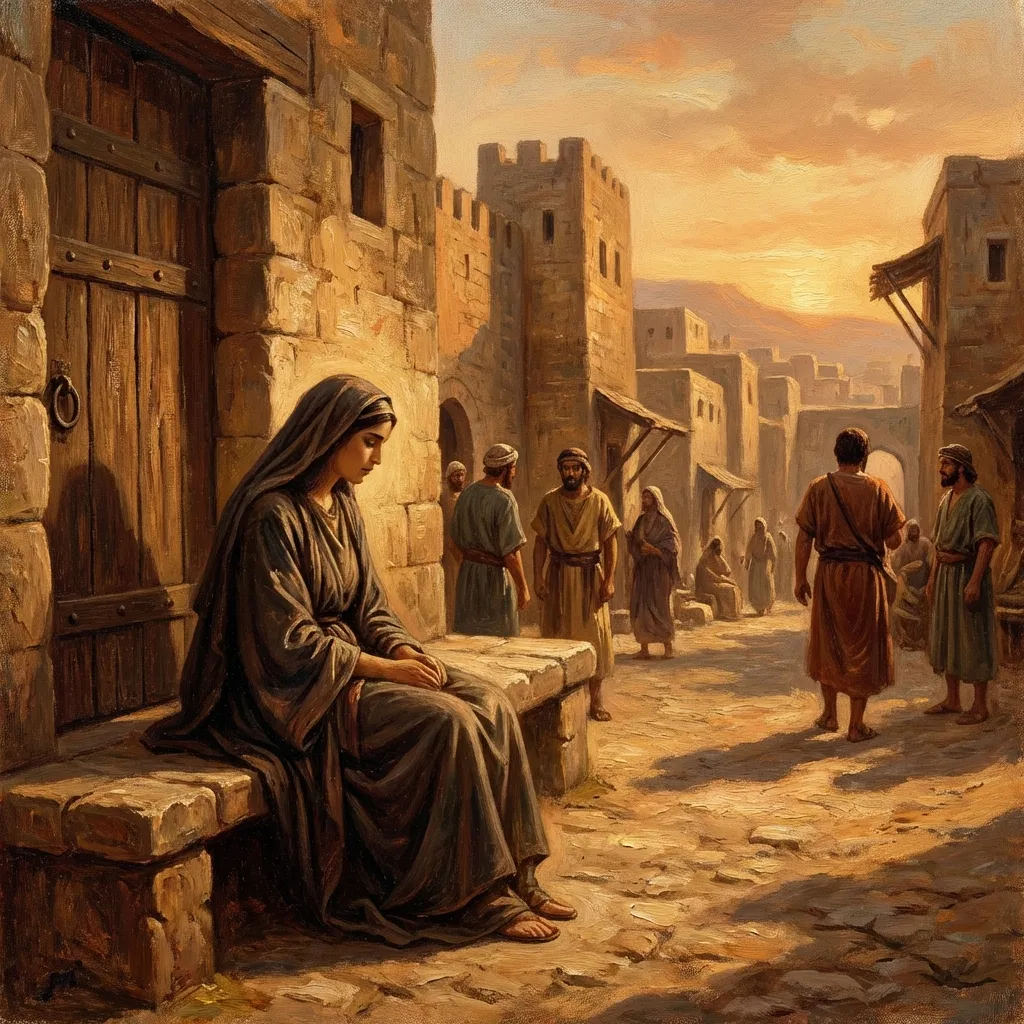 "She put off her widow's garments..." (Genesis 38:14)
Tamar's story is one of desperation and justice. Married to Judah's wicked sons who died, she was left a childless widow. When Judah refused to give her his third son as promised (fearing he would die too), Tamar took matters into her own hands. She disguised herself as a prostitute, slept with her father-in-law Judah, and conceived twins.
When her pregnancy was discovered, Judah ordered her to be burned—until she revealed that he was the father. Judah humbled himself and admitted, "She is more righteous than I." One of those twins, Perez, became the ancestor of King David.
The Lesson: Jesus is not ashamed to descend from a complicated, messy family situation. Tamar fought for her place in the family when others tried to erase her.
2. Rahab: The Believing Outsider (Joshua 2)
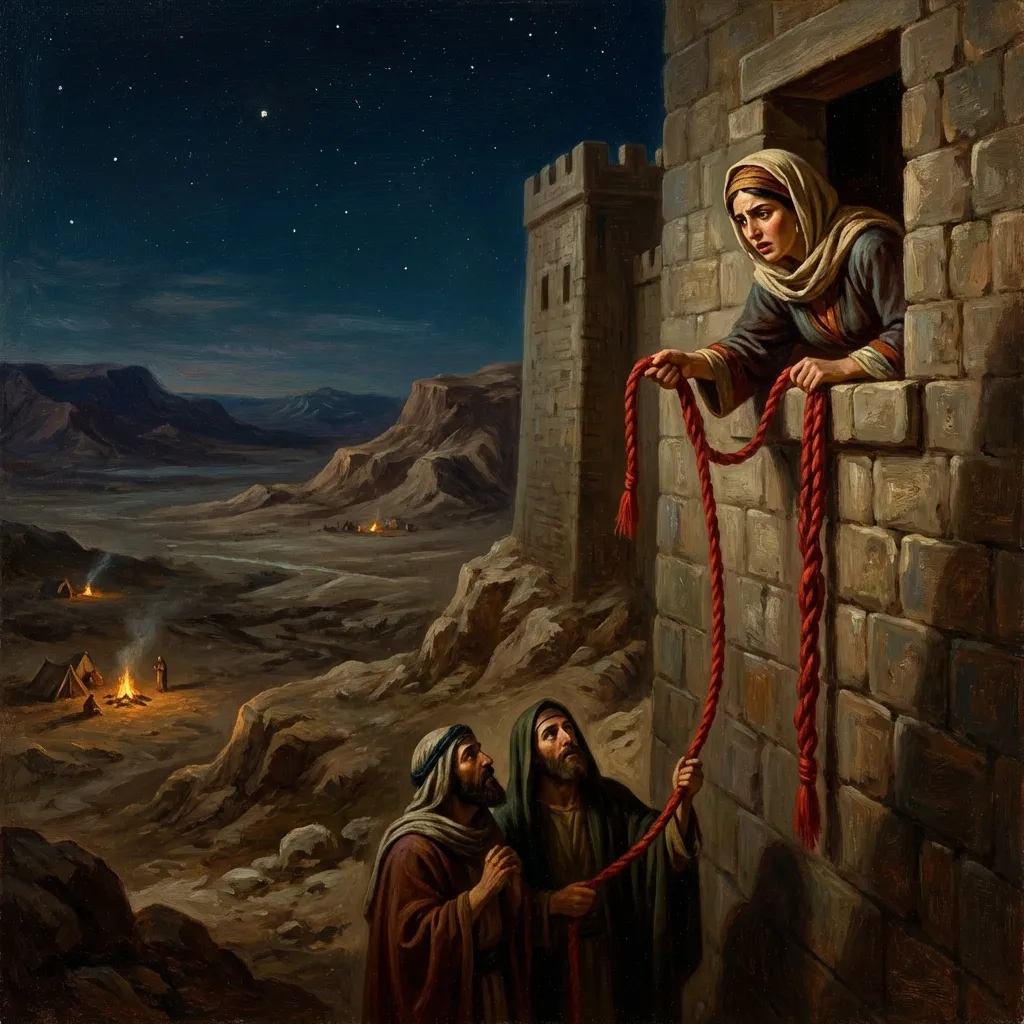 Rahab lowering the scarlet cord: a sign of her faith and salvation.
Rahab was a Canaanite prostitute living in Jericho—a city destined for destruction. She had every reason to be an enemy of God's people. Yet, when Hebrew spies came to Jericho, she hid them. Why? Because she had heard of God's power. She told them, "The Lord your God is God in heaven above and on the earth below."
Because of her faith, she and her family were spared when the walls fell. She didn't just survive; she married Salmon (a prince of Judah) and became the mother of Boaz.
The Lesson: Grace is not limited by nationality or profession. A Canaanite woman with a scandalous past became a mother in Israel because of her faith.
3. Ruth: The Loyal Moabitess (Book of Ruth)
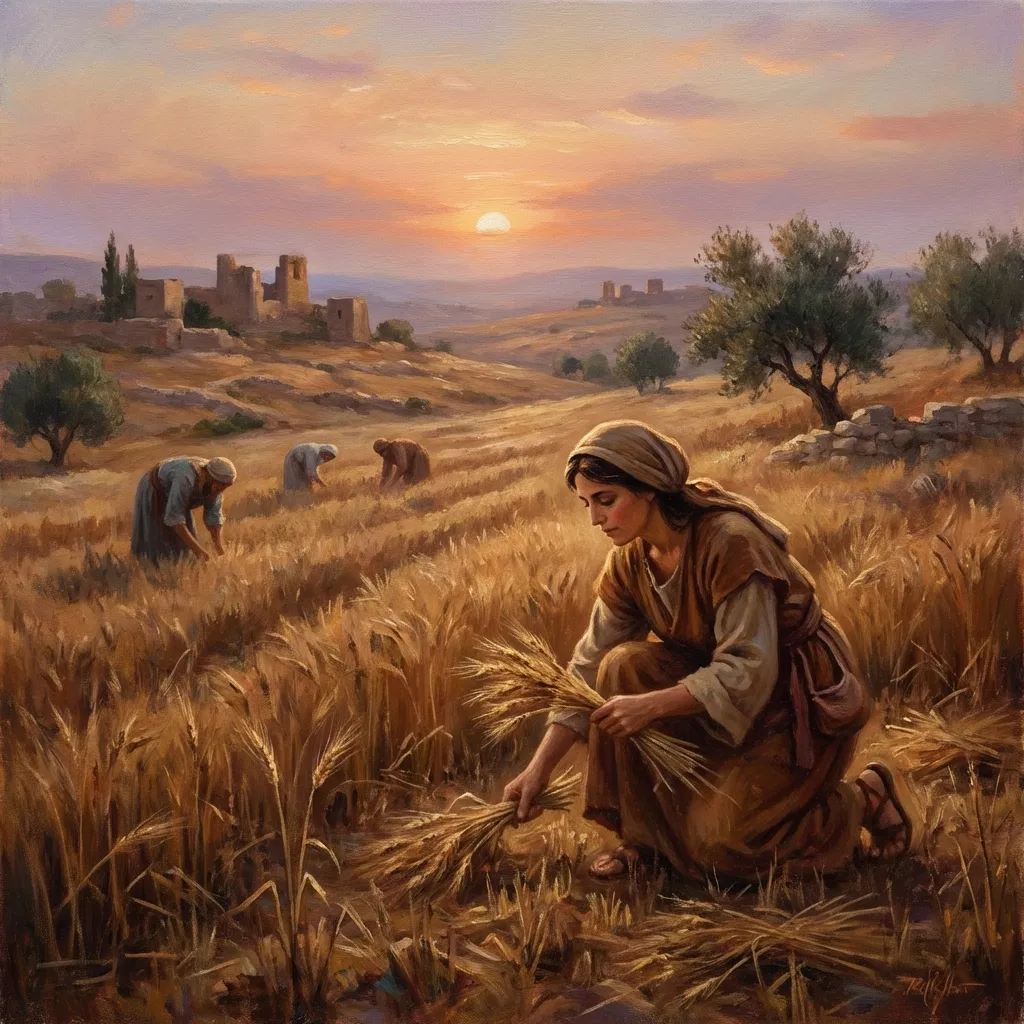 "Your people shall be my people, and your God my God." (Ruth 1:16)
Ruth was a Moabite—a sworn enemy of Israel. After her Jewish husband died, she had the legal right to return to her family. Instead, she clung to her mother-in-law Naomi and made a covenant of loyalty to Yahweh.
She came to Bethlehem as a poor destitute widow, gleaning leftovers in the barley fields. There she caught the eye of Boaz, who acted as her "Kinsman-Redeemer." Their marriage was a beautiful picture of redemption, and their son Obed was the grandfather of King David.
The Lesson: Ruth represents the "virtuous woman." She shows that God welcomes those who forsake their old gods to follow Him.
4. Bathsheba: The Wife of Uriah (2 Samuel 11)
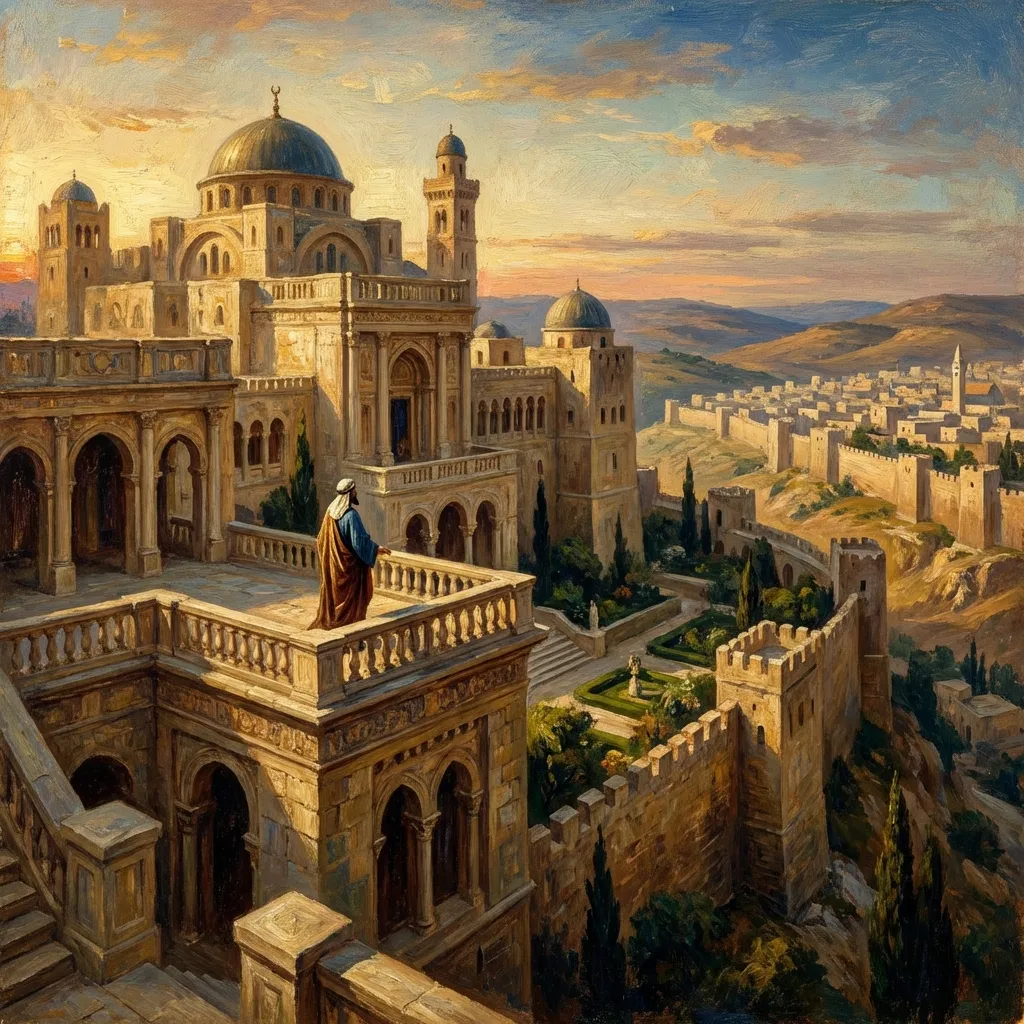 David saw her from the roof, leading to a chain of sin and eventual redemption.
Matthew doesn't even call her by name; he calls her "the wife of Uriah." Her story is tied to David's greatest failure: adultery and murder. Bathsheba was taken by the King, her husband was killed to cover it up, and their first child died.
It was a tragedy born of sin. Yet, God's grace is greater. Bathsheba later gave birth to Solomon, the wisest king and the builder of the Temple. She became a queen mother of great influence.
The Lesson: God can bring a "Solomon" (Peace) out of our darkest mess. He doesn't restart the lineage when sin happens; He redeems it.
5. Mary: The Virgin Mother (Matthew 1:16)
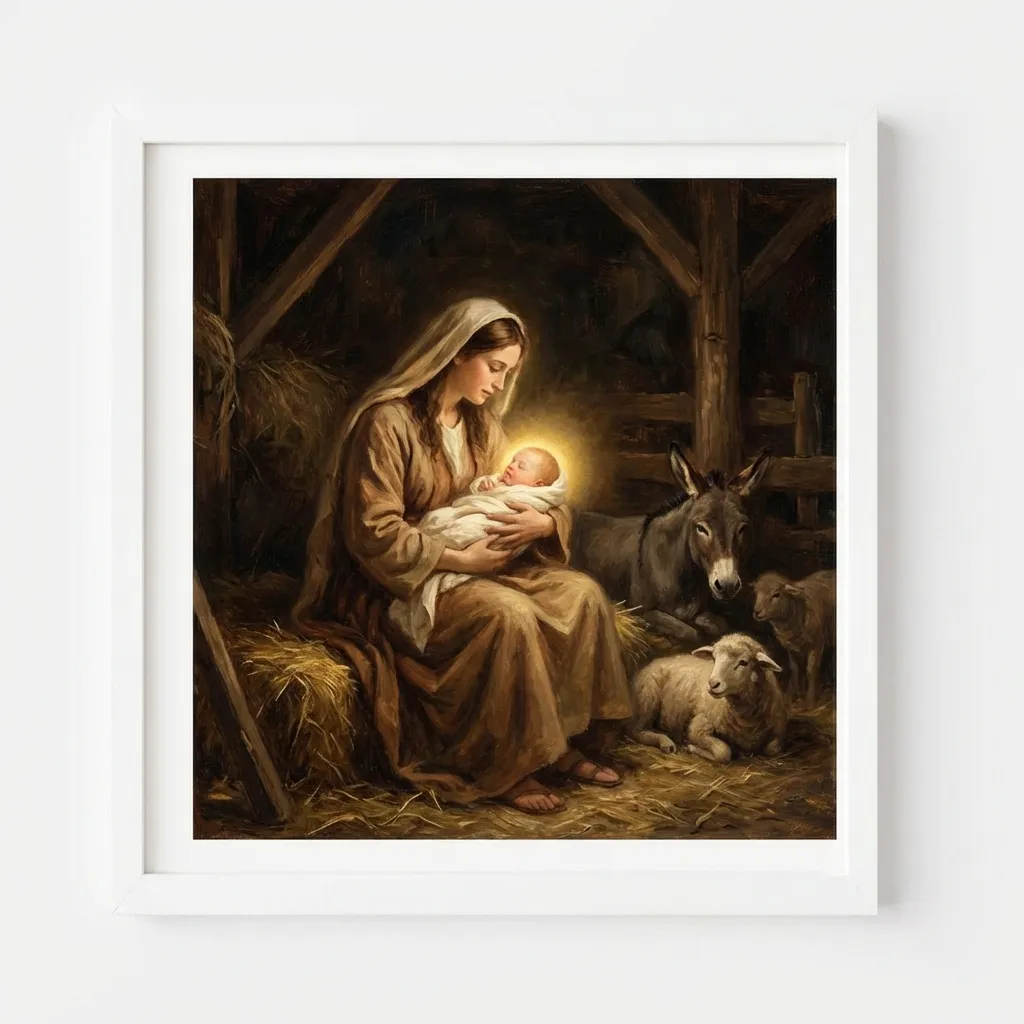 "Joseph, do not fear to take Mary as your wife..."
The final woman is the climax of the list. Unlike the others, Mary was not guilty of sin, but she bore the stigma of shame. To be pregnant before marriage in first-century Israel was to risk being stoned to death or divorced.
She bore the rumors and the whispers to carry the Son of God. She is the fulfillment of the line—the vessel through whom the Word became flesh.
Conclusion: Tamar (Injustice), Rahab (Outsider), Ruth (Widow), Bathsheba (Scandal), and Mary (Surrender). These five women remind us that Jesus is not a Savior for the perfect. He is the Savior of the world—men and women, Jew and Gentile, saints and sinners.