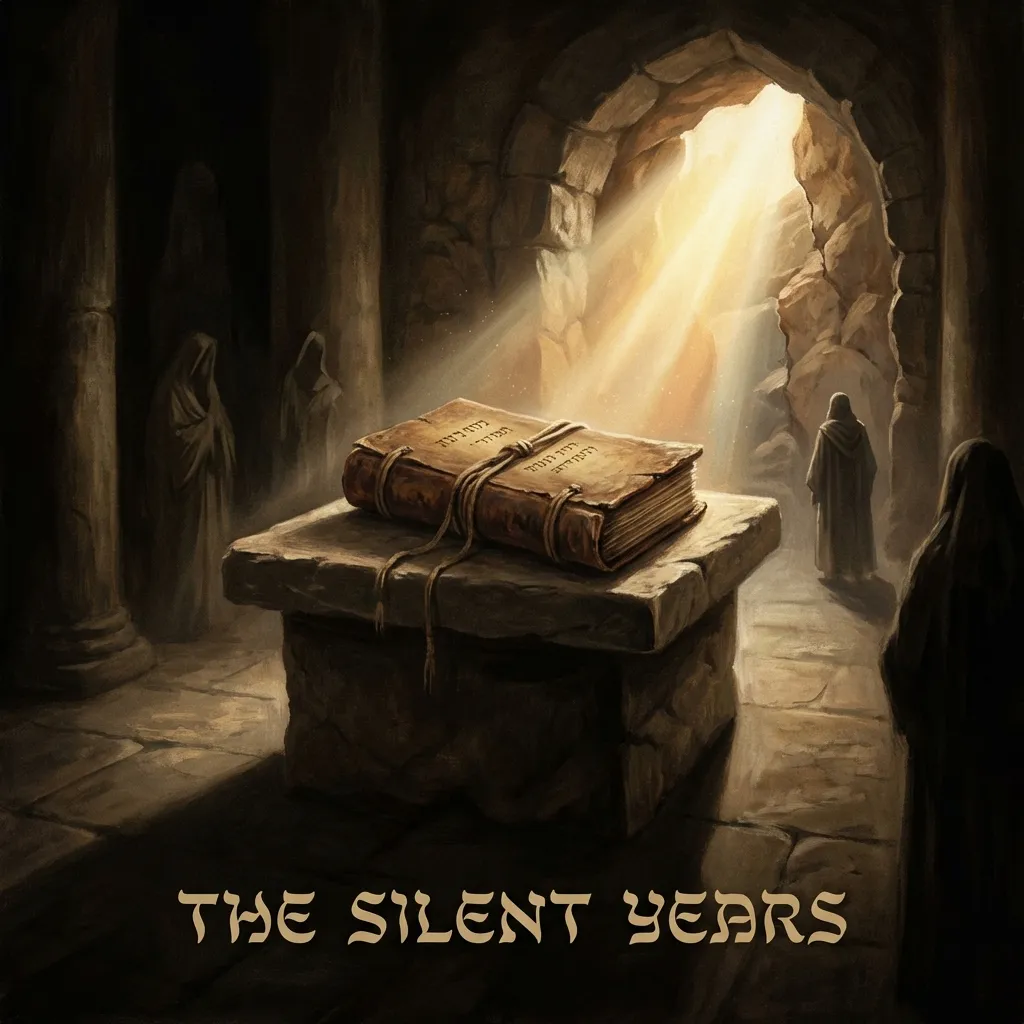
When the prophet Malachi laid down his pen, the voice of God seemed to go silent. For 400 years, there were no prophets, no new scriptures, and no direct revelation for Israel. But silence did not mean inactivity. In fact, these "Silent Years" were some of the loudest, most chaotic, and transformative centuries in human history. God was silently arranging the chessboard of the world to prepare the perfect moment for the arrival of the King.
1. The Persian Period: The Crumbling Empire (430–332 BC)
The Old Testament closes under the rule of the Persian Empire. This was a time of relative stability for the Jews. King Cyrus had allowed them to return to Jerusalem and rebuild their Temple. However, the Jewish people were merely a tiny province in a massive Gentile machine. They had their Temple, but they had no king, no army, and no true independence. They were waiting for the "Son of David" to restore their glory. Instead, they got Alexander.
2. The Greek Period: Hellenization and the Culture War (332–167 BC)
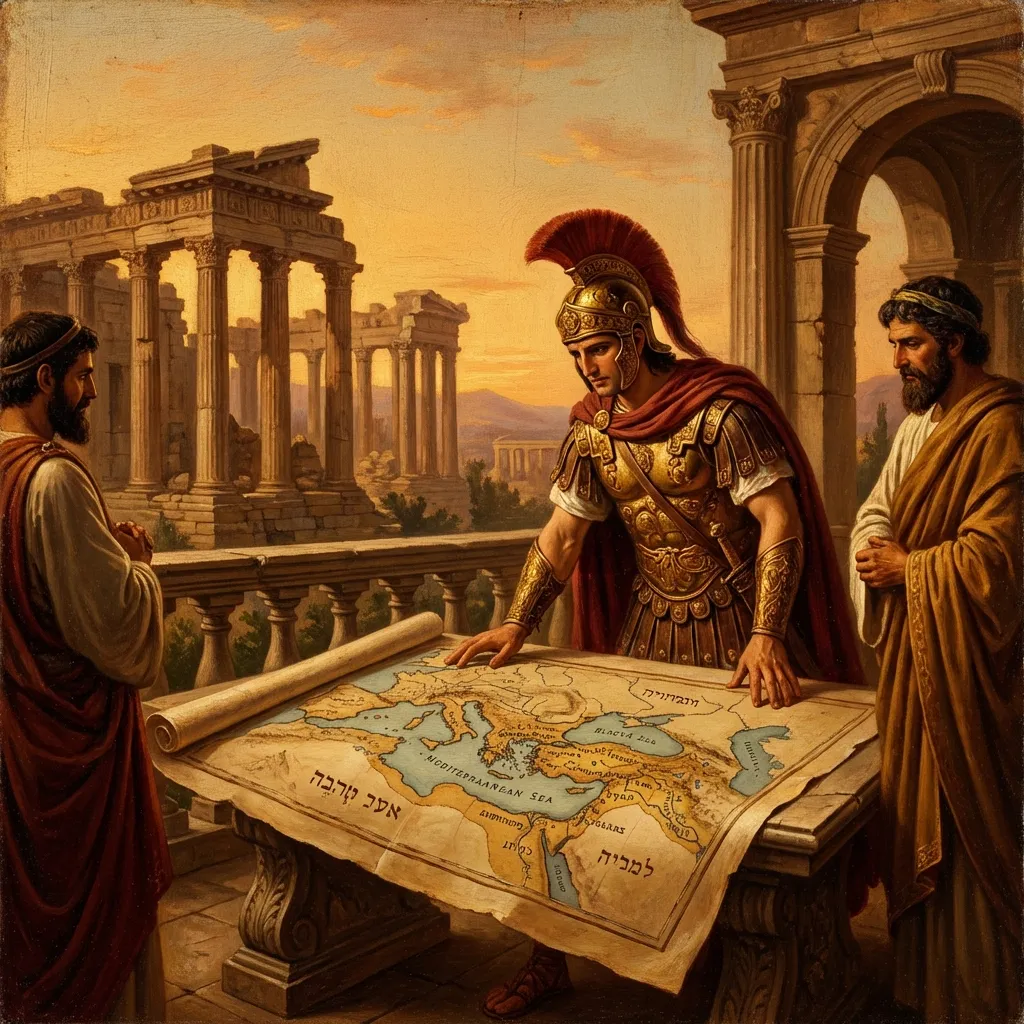 The lightning conquest of Alexander spread Greek culture (Hellenism) across the known world.
In 332 BC, Alexander the Great swept across the world with lightning speed. He didn't just conquer lands; he conquered minds. His goal was Hellenization—making the world Greek. He introduced a common language (Koine Greek), Greek philosophy, and Greek architecture.
For the Jews, this was a crisis. Should they embrace this modern, sophisticated culture or remain separate? This tension split Israel into factions. The wealthy aristocracy often embraced Greek ways, while the rural traditionalists (the "Hasidim" or Pious Ones) resisted.
The Septuagint: A positive outcome of this era was the translation of the Hebrew Bible into Greek (the Septuagint or LXX). This allowed Gentiles to read the scriptures for the first time and became the Bible used by the early church and the Apostles.
3. The Maccabean Revolt: The Hammer of God (167–63 BC)
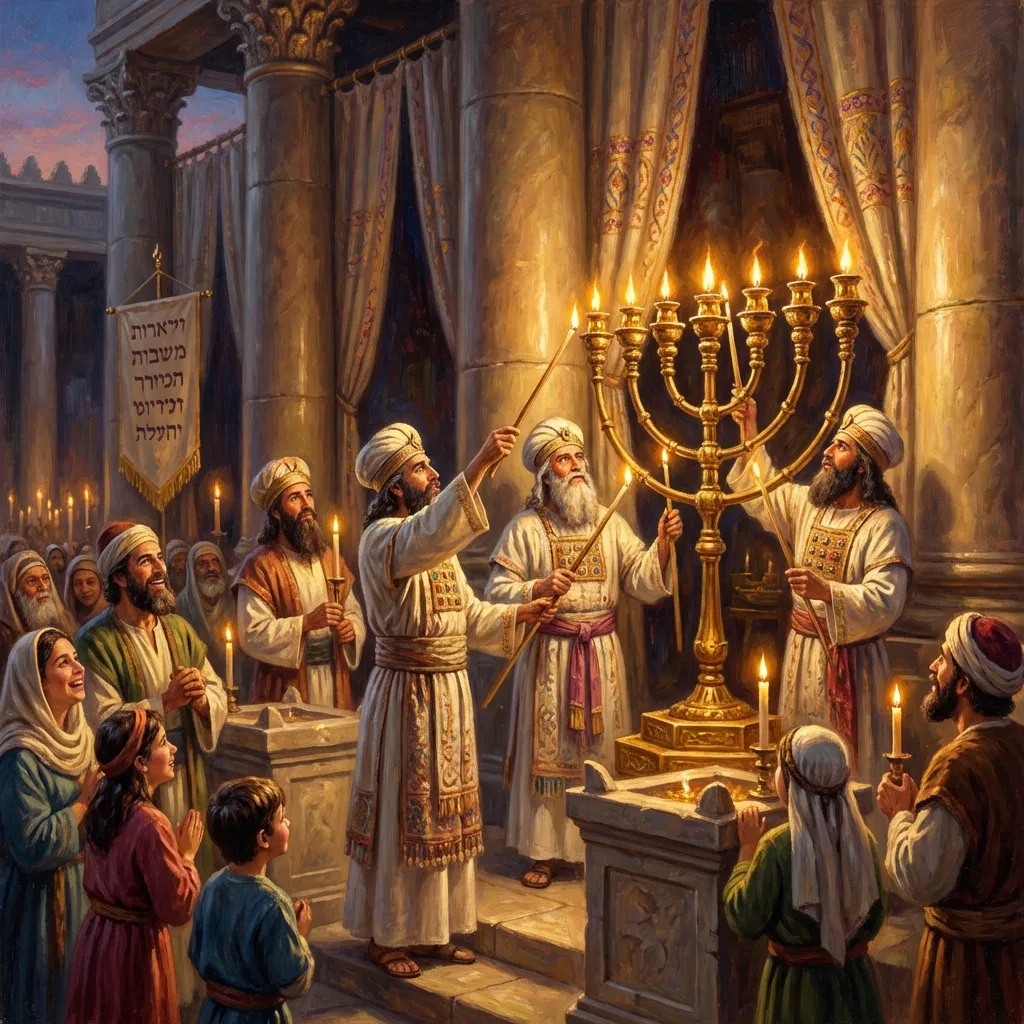 The Maccabees reclaimed the Temple, an event celebrated today as Hanukkah.
The tension exploded under the Syrian ruler Antiochus IV Epiphanes. He was a madman who hated the Jewish faith. He outlawed circumcision, burned Torah scrolls, and committed the "Abomination of Desolation" by sacrificing a pig on the altar of God in the Holy Temple.
This sparked a guerrilla uprising led by a rural priest named Mattathias and his five sons. His son Judas was nicknamed "Maccabeus" (The Hammer). Against all odds, this ragtag Jewish militia defeated the mighty Syrian armies. In 164 BC, they liberated Jerusalem and rededicated the Temple—a miracle celebrated today as Hanukkah.
For a brief, shining century (the Hasmonean Dynasty), Israel was free again. But power corrupts. The Hasmonean rulers eventually became corrupt, combining the offices of King and High Priest (which was forbidden) and adopting the very Greek culture they had fought against. This corruption led to the rise of new religious parties:
- The Pharisees: "Separated ones" who obsessed over keeping the law to prevent another exile.
- The Sadducees: Aristocrats who controlled the Temple and compromised with political powers.
- The Essenes: Mystics who fled to the desert (Dead Sea Scrolls) to await the Messiah.
4. The Roman Period: The Iron Fist (63 BC – New Testament)
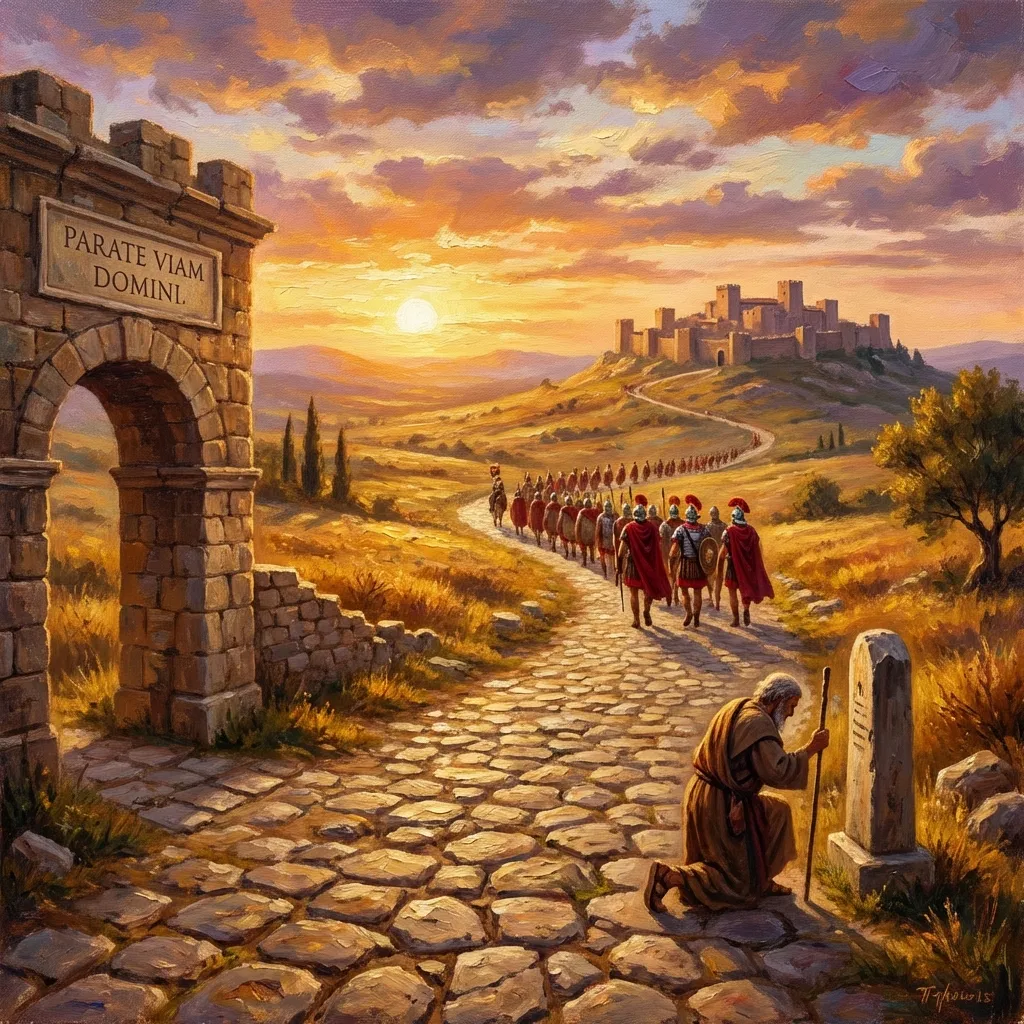 Rome provided the 'Pax Romana' and the road system that would later carry the Gospel.
Chaos in the Hasmonean family led to civil war. In 63 BC, the Roman General Pompey marched into Jerusalem to "settle" the dispute. He did so by conquering the city and entering the Holy of Holies. Israel lost its independence once again, this time to the iron fist of Rome.
Rome installed a puppet king named Herod the Great. Herod was half-Jew, half-Edomite, and entirely paranoid. He was a master builder (expanding the Temple to its greatest size) but a brutal tyrant who murdered his own wife and sons to keep power.
5. Conclusion: The Stage is Set
By the time the New Testament opens, the world had changed completely.
- Greek Language: Everyone spoke a common tongue, allowing the Gospel to travel instantly.
- Roman Roads: The Pax Romana (Roman Peace) meant missionaries could travel safely on paved roads from Jerusalem to Spain.
- Jewish Longing: The oppression of Rome and the corruption of Herodian rule made the people desperate for a Messiah.
God was not silent. He was busy. Galatians 4:4 says, "But when the set time had fully come, God sent his Son." The 400 years were the final preparations for the greatest event in history.