Coming down from the dazzling glory of the Mount of Transfiguration where His face shone like the sun, Jesus, Peter, James, and John descended into a chaotic valley. At the base of the mountain, a large crowd surrounded the remaining nine disciples, who were locked in a humiliating theological argument with scribes after failing to cast out a violent demon from a young boy (Mark 9:14-29).
1. The Cry of a Crushed Father
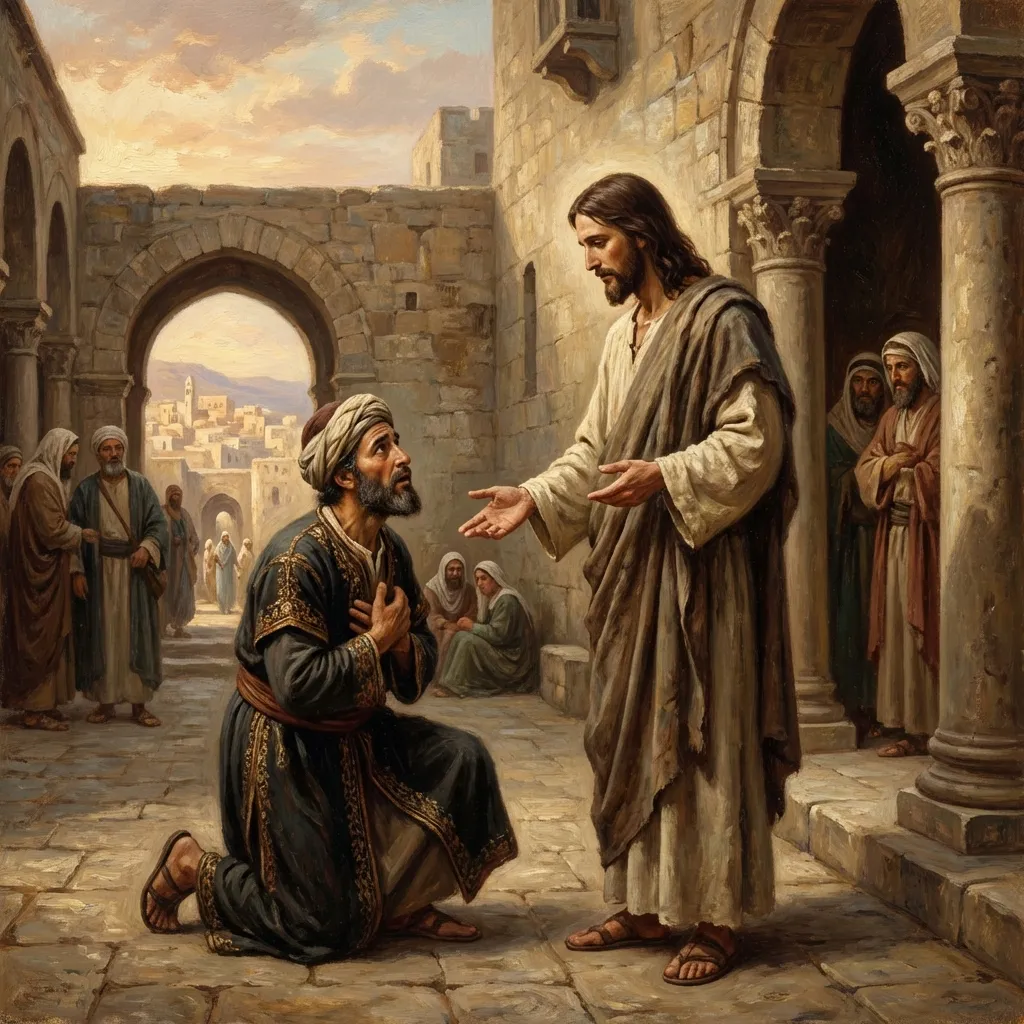
Stepping out of the crowd, a heartbroken father fell to his knees before Jesus, weeping: "Teacher, I brought you my son, who is possessed by a spirit that has robbed him of speech. Whenever it seizes him, it throws him to the ground. He foams at the mouth, gnashes his teeth and becomes rigid. I asked your disciples to drive out the spirit, but they could not" (Mark 9:17-18). The boy lived in constant danger: the demon repeatedly tried to murder him by throwing him into cooking fires and deep wells.
2. If You Can Do Anything?
Looking at the convulsing youth foaming on the ground, the father pleaded with trembling desperation: "If you can do anything, take pity on us and help us." Jesus picked up on his conditional doubt: "'If you can'?' said Jesus. 'Everything is possible for one who believes.'" The obstacle is never Christ's capacity; the issue is our willingness to anchor our souls in His boundless ability.
3. The Golden Prayer of Honest Faith
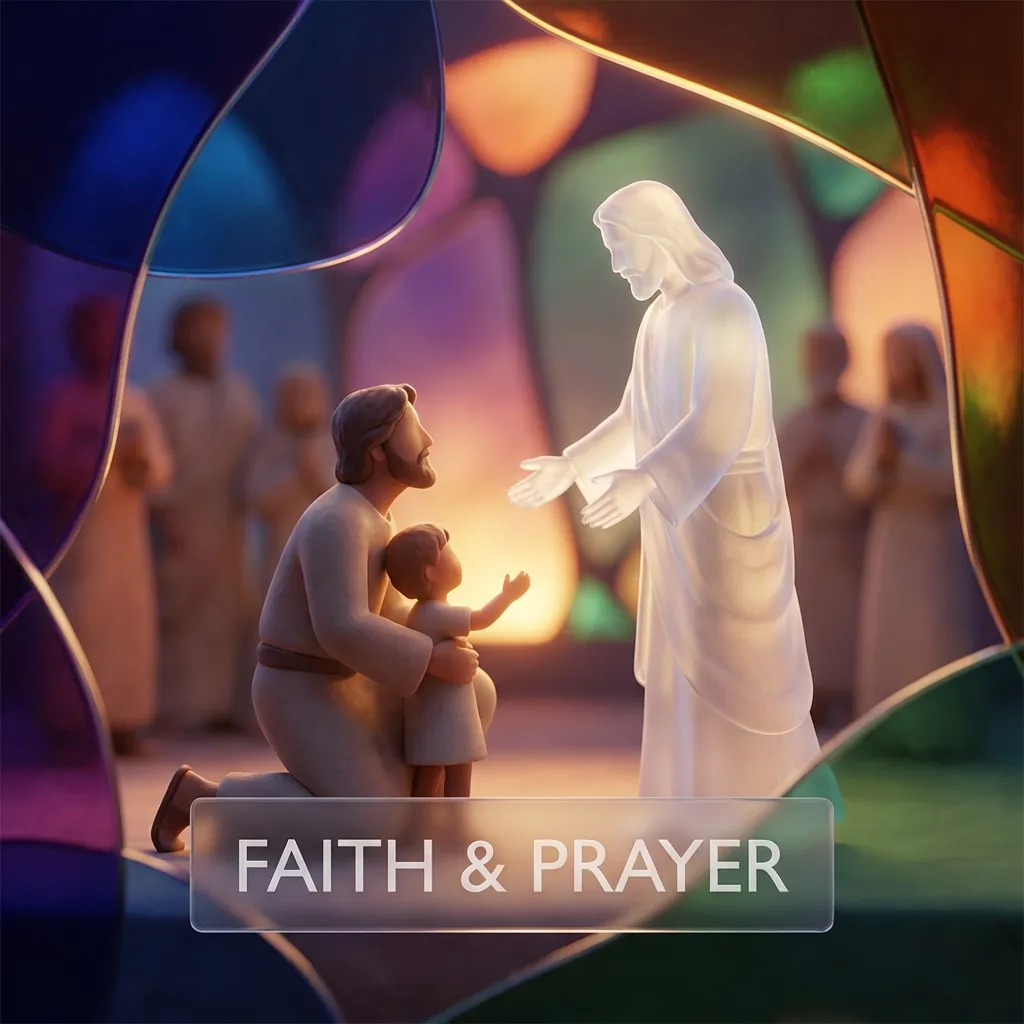
Mark 9:24 records one of the most famous, relatable confessions in scripture: "Immediately the boy's father exclaimed, 'I do believe; help me overcome my unbelief!'" He did not pretend to possess unflinching, heroic faith. He acknowledged the mixture of faith and fear inside his aching heart. Jesus never turns away an honest, trembling seeker who brings their mustard seed of faith to Him.
4. The Final Death-Throes of the Enemy
Seeing a mob gathering, Jesus rebuked the impure spirit: "You deaf and mute spirit, I command you, come out of him and never enter him again!" The spirit shrieked, threw the boy into horrific convulsions, and came out. The youth lay so still that the crowd whispered: "He's dead." But Jesus took him by the hand, lifted him to his feet, and returned him whole to his overjoyed father.
5. Why Couldn't We Drive It Out?
Privately inside a house, the embarrassed disciples asked: "Why couldn't we drive it out?" Jesus answered: "This kind can come out only by prayer [and fasting]" (Mark 9:29). They had treated spiritual authority as a mechanical entitlement rather than an active, praying dependence on the Holy Spirit. Entrenched strongholds yield only to believers who live in broken, fasting communion with God.
Biblical Keywords & Theological Roots
To be moonstruck, lunatic, suffering from violent seizure-like fits; describing recurring demonic convulsions throwing the boy into fire and water.
'I believe; help my unbelief!'; the iconic, raw, honest prayer of the desperate father pleading for supernatural grace.
Prayer and fasting; the spiritual disciplines required to overcome stubborn, entrenched demonic strongholds.
🔑 Key Spiritual Takeaways
- Glory on the Mountain, Warfare in the Valley: Spiritual mountain-top experiences must always lead back down into the chaotic valley to set suffering captives free.
- Honest Faith is Accepted: Jesus did not condemn the father's mixed emotions; Christ embraced his cry: 'I believe; help my unbelief!'
- All Things Are Possible: Jesus declared: 'Everything is possible for one who believes'—shifting the focus from human helplessness to divine omnipotence.
- The Necessity of Prayer and Fasting: The disciples failed because they relied on past momentum rather than desperate, present communion with the Father.
Support Independent Biblical Research
Did this study bless you? Help support our independent bilingual research and interactive visual Bible tools.
⚡ Fast Facts
- Mountain to Valley Contrast: The miracle occurred immediately after Jesus, Peter, James, and John descended from the Mount of Transfiguration (Mark 9:2-14).
- Disciples' Public Failure: The remaining nine disciples attempted to cast out the demon but failed completely, resulting in mocking scribal arguments.
- Suicidal Demon: Mark 9:22 notes the demonic spirit repeatedly attempted to drown the boy in water or burn him to death in household fire pits.
- Generational Torment: When Jesus asked 'How long has this been happening?', the father answered: 'From childhood' (ek paidiothen).
❓ Frequently Asked Questions (FAQs)
Why could the nine disciples not cast out this demon when they had cast out demons before?
In Luke 9:1, Jesus gave them authority over demons. However, they had grown complacent, relying on past authority and treating ministry as a mechanical technique. Jesus rebuked them: 'This kind can come out only by prayer [and fasting]'—demanding vital, present dependence on God.
What did Jesus mean by calling the generation 'unbelieving and perverse'?
Jesus was lamenting the spiritual bankruptcy of the whole scene: the arrogant scribes gloating over the disciples' failure, the crowd seeking entertainment, and the disciples' lack of prayerful dependence after walking with Him for years.
Why did the demon throw the boy into a violent convulsion right before leaving?
Mark 9:26 notes the spirit shrieked, convulsed him violently and came out, leaving him looking like a corpse. Satan always attempts a final, desperate act of destruction when he knows his eviction notice has been signed by Jesus Christ.