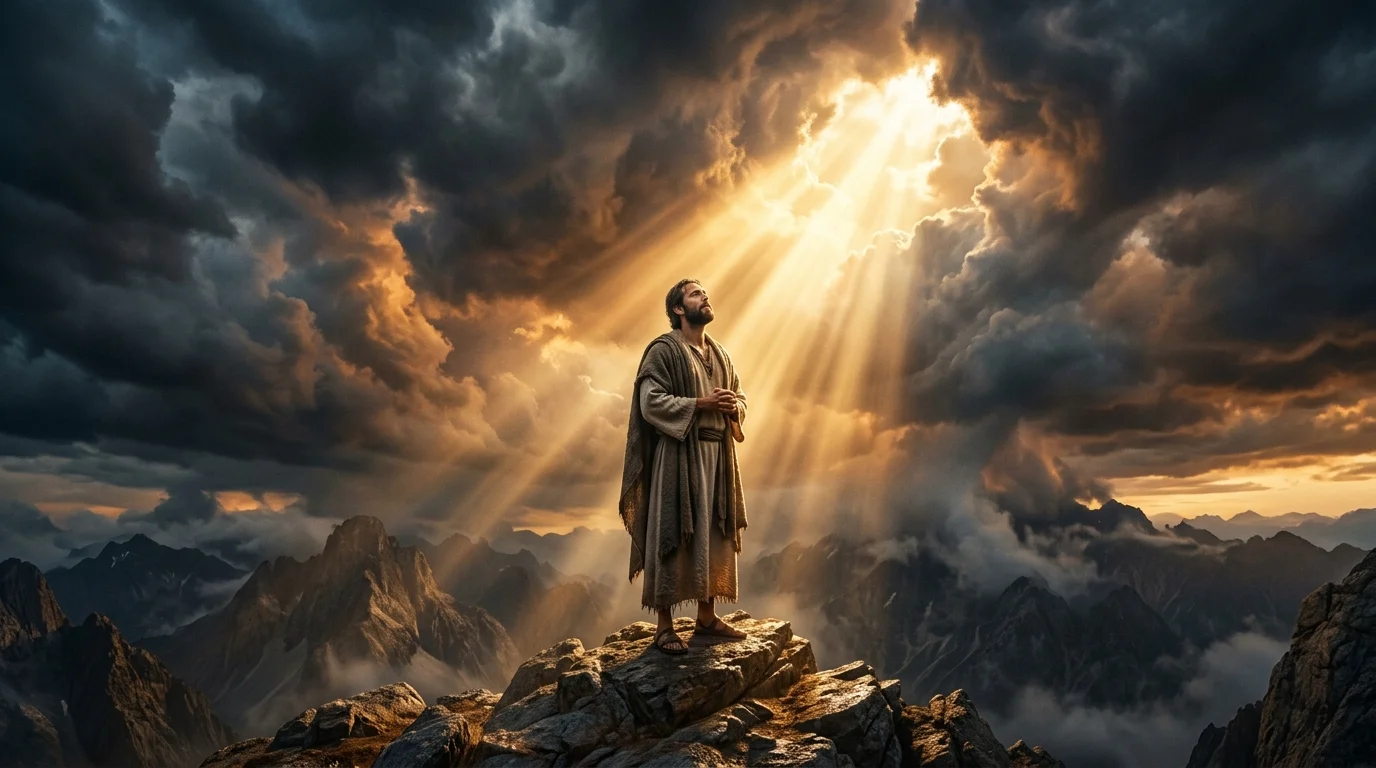
1. The Sacred Corridor of Waiting: Discerning the Mystery of Heaven's Silence
Discover deep spiritual peace, unshakeable confidence, and eternal perspective when prayers seem delayed and heaven appears silent.
Few experiences in the Christian pilgrimage are as agonizing to the human spirit as the crushing silence of heaven. You have fasted for days, drenched your pillow in tears, gathered trusted intercessors, and claimed every covenant promise in Scripture with sincere faith—yet the sickness lingers, the prodigal child remains rebellious, the financial breakthrough does not arrive, and the closed door stays stubbornly shut. In such moments of prolonged silence, the enemy of our souls steps into the shadows to hiss his oldest venomous lie: 'God does not care about you; your prayers are hitting a brass ceiling; faith is an illusion.'
Yet the consistent testimony of Scripture reveals that God’s silence is never evidence of His absence. In fact, throughout biblical history, heaven’s silence has almost always been the holy incubation chamber for God’s most astonishing redemptive masterpieces. When God was silent for four hundred years between the Old and New Testaments, He was meticulously aligning world empires, building Roman road networks, and universalizing the Greek language so that the birth of Jesus Christ could occur in the absolute 'fullness of time' (Galatians 4:4).
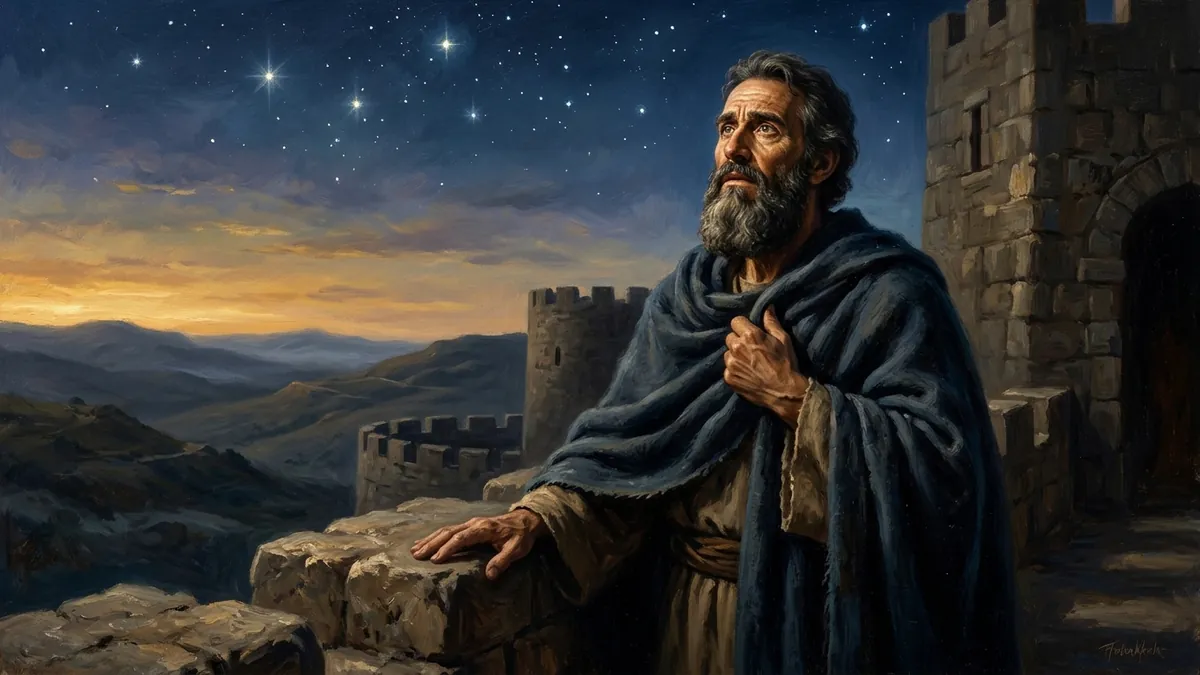
True spiritual maturity is forged not in the easy seasons when answers come before we even call, but in the desolate corridors of unanswered prayer. In Habakkuk 2:3, the prophet stood upon his watchtower, waiting for God’s reply to widespread national corruption. God’s answer was profound: 'For the vision is yet for an appointed time... though it takes time, wait for it; because it will surely come. It won't delay.' God operates on an eternal calendar (*mo'ed*). What feels like a frustrating delay to our finite human eyes is, in heaven’s clockwork, arriving with microsecond precision.
2. Living Scriptures to Anchor Your Soul When Answers are Delayed
Meditate upon these enduring promises, speak them aloud in your prayer closet, and let faith displace fear:
"For the vision is yet for the appointed time, and it hurries toward the end, and won't prove false. Though it takes time, wait for it; because it will surely come. It won't delay."
தமிழ் மொழிபெயர்ப்பு (1871 TUV): "குறித்த காலத்துக்குத் தரிசனம் இன்னும் வைக்கப்பட்டிருக்கிறது; முடிவிலே அது விளங்கும், பொய் சொல்லாது; அது தாமதித்தாலும் அதற்குக் காத்திரு; அது நிச்சயமாக வரும், அது தாமதிப்பதில்லை."
💡 Exegetical Insight & Spiritual Application: The Hebrew term *mo'ed* refers to a fixed, unalterable heavenly appointment—like the astronomical orbit of planets or festival dates set by God. Divine delay is never divine denial; God's delays are intentional incubation periods where His answer matures to yield the highest eternal fruit.
"Concerning this thing, I begged the Lord three times that it might depart from me. He has said to me, 'My grace is sufficient for you, for my power is made perfect in weakness.'"
தமிழ் மொழிபெயர்ப்பு (1871 TUV): "அது என்னைவிட்டு நீங்கும்படி, நான் மூன்றுதரம் கர்த்தரிடத்தில் வேண்டிக்கொண்டேன். அதற்கு அவர்: என் கிருபை உனக்குப்போதும்; பலவீனத்திலே என் பலன் பூரணமாய் விளங்கும் என்றார்."
💡 Exegetical Insight & Spiritual Application: The Greek verb *arkei* signifies an overflowing, inexhaustible reservoir of sustaining sufficiency. God answered Paul's desperate petition not by removing the thorn, but by releasing supernatural grace that elevated Paul above the thorn. Sometimes God's greatest answer to prayer is not the change of our external circumstances, but the miraculous transformation of our internal capacity.
"Wait for the Lord. Be strong, and let your heart take courage. Yes, wait for the Lord."
தமிழ் மொழிபெயர்ப்பு (1871 TUV): "கர்த்தருக்குக் காத்திரு, திடமனதாயிரு, அவர் உன் இருதயத்தை ஸ்திரப்படுத்துவார்; கர்த்தருக்கே காத்திரு."
💡 Exegetical Insight & Spiritual Application: The Hebrew verb *qavah* means to wait with active, tense expectation, derived from the root of twisting or braiding strands of rope together. When you wait on the Lord, you are not sitting passively in defeat; your fragile human weakness is being tightly entwined with the unyielding omnipotence of Almighty God.
"He also spoke a parable to them that they must always pray, and not give up."
தமிழ் மொழிபெயர்ப்பு (1871 TUV): "சோர்ந்துபோகாமல் எப்பொழுதும் ஜெபம்பண்ணவேண்டும் என்பதைக் குறித்து அவர்களுக்கு ஒரு உவமையைச் சொன்னார்."
💡 Exegetical Insight & Spiritual Application: The Greek verb *enkakein* means to lose heart, grow utterly faint, or surrender to spiritual exhaustion. Jesus delivered the parable of the persistent widow specifically to inoculate disciples against the weariness of seemingly unanswered prayers. Tenacious, unrelenting faith honors God's justice.
3. Biblical Precedents: Patriarchs and Saints Who Triumphed in Waiting
Abraham and Sarah: A Quarter-Century of Waiting for the Covenant Heir
In Genesis 12, God called seventy-five-year-old Abram out of Ur with a breathtaking promise: He would make of him a great nation. Yet years turned into decades with no biological child. By Genesis 15, Abraham cried out in honest bewilderment: 'Lord God, what will You give me, seeing I go childless, and the heir of my house is Eliezer of Damascus?'
God led Abraham outside into the desert midnight and commanded him: 'Look now toward heaven, and count the stars if you are able to number them... So shall your descendants be.' Abraham waited another decade. When both he and Sarah were biologically as good as dead (Romans 4:19), God finally visited Sarah as He had said. When Isaac was born, Abraham was one hundred years old! Why did God delay twenty-five years? Because if Isaac had been born when Abraham was seventy-five, human biology would have claimed the credit; but when Isaac was born through a dead womb, heaven alone received the unshared glory!
Lazarus at Bethany: When a Divine Delay Births a Resurrection
John 11 presents one of the most agonizing delays in the New Testament. Lazarus of Bethany fell deathly ill. His sisters, Mary and Martha, sent an urgent dispatch to Jesus: 'Lord, behold, he whom You love is sick.' They did not ask for a sermon; they pleaded for urgent medical deliverance. Yet John 11:5-6 records a staggering paradox: 'Now Jesus loved Martha and her sister and Lazarus. So, when He heard that he was sick, He stayed two more days in the place where He was.'
Notice the divine connector: because Jesus loved them, He stayed where He was! By the time Jesus finally arrived in Bethany, Lazarus had been rotting in a sealed stone tomb for four days. Martha wept: 'Lord, if You had been here, my brother would not have died!' But Jesus had not delayed out of cold indifference; He delayed because He intended to do something vastly superior to physical healing. He did not come merely to patch up a sick body; He came to display His absolute identity as the Resurrection and the Life! What you perceive as a delayed healing in your life may simply be God setting the stage for a resurrection miracle.
Zechariah and Elizabeth: Answered Prayer in Gray-Haired Old Age
Luke 1 opens with an elderly priest named Zechariah and his wife Elizabeth. Scripture honors them as blameless before God, walking in all the commandments of the Lord. Yet they had no child because Elizabeth was barren, and both were advanced in years. In Jewish culture, childlessness carried heavy social shame and religious stigma.
For decades, they had undoubtedly prayed for a baby until natural biological hope ceased. Yet while Zechariah was burning incense in the temple, the angel Gabriel suddenly appeared on the right side of the altar and announced: 'Do not be afraid, Zechariah, for your prayer is heard; and your wife Elizabeth will bear you a son, and you shall call his name John.' Zechariah had probably stopped praying for a child twenty years earlier, but God’s filing system never loses a prayer! God did not give them a child in their twenties because that child had to be John the Baptist, the forerunner who had to be born exactly six months before Jesus of Nazareth. God’s timing was synchronized with the redemption of the entire human race!
4. 4 Anchors to Guard Your Heart Against Offense and Cynicism
1. Distinguish Between God's 'No', 'Wait', and 'Something Greater'
God responds to human prayer in three distinct ways: 'Yes' (immediate intervention), 'Wait' (maturing our character and aligning divine timing), and 'No' (protecting us from hidden dangers or offering higher spiritual grace). When God says No, remember that His refusal is always born out of infinite wisdom and protective love.
2. Guard Against the Poison of Spiritual Bitterness and Offense
In Matthew 11:6, Jesus warned: 'Blessed is he who doesn't find a cause of stumbling in me.' Unanswered prayers tempt believers to take offense at God, abandon church attendance, and withdraw into bitter cynicism. When confusion attacks, cling to what you know: the Cross is eternal proof of God's love, regardless of unanswered temporary prayers.
3. Worship God for Who He Is, Not Just What He Gives
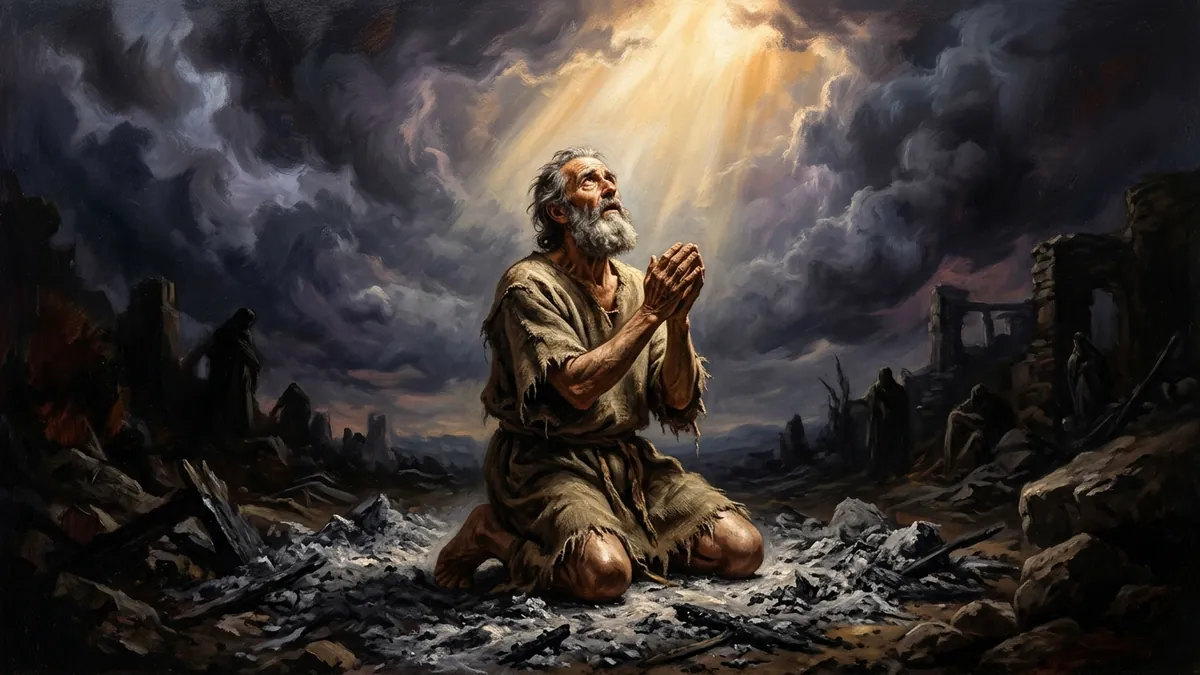
Like Job on the ash heap after losing all ten children and his wealth (Job 1:21), declare: 'The Lord gave, and the Lord has taken away; blessed be the name of the Lord.' When you worship God in the valley of unanswered prayer, you offer a fragrant sacrifice of faith that silences Satan's accusations.
4. Keep Praying with Shameless, Bold Audacity
In Luke 11:8, Jesus commended the man who knocked on his neighbor's door at midnight because of his 'shameless persistence' (*anaideia*). Do not let unanswered prayers silence your intercession. Keep knocking, keep asking, keep seeking, knowing that every prayer is preserved in the golden bowls of heaven (Revelation 5:8).
5. The Triumph of Mature Faith: Standing Upon the High Places
Habakkuk concluded his profound wrestling match with God with one of the most majestic declarations of trust in human history: 'For though the fig tree doesn't flourish, nor fruit be in the vines; the labor of the olive fails, the fields yield no food; the flocks are cut off from the fold, and there is no herd in the stalls: yet I will rejoice in the Lord. I will be joyful in the God of my salvation! Yahweh, the Lord, is my strength. He makes my feet like deer's feet, and enables me to go in high places' (Habakkuk 3:17-19).
This is the ultimate triumph of covenant faith—when your joy is rooted not in the physical answers in your hand, but in the eternal Character of the One whose hand holds you. Lift your eyes above the temporal storm today. Your prayers have not been forgotten. Heaven is actively preparing your answer, and in God's appointed hour, the glory of the Lord will shine upon your life in ways that will exceed all that you could ever ask or imagine!
Devotional Surrender Prayer: Resting in the Sovereignty of God
Lord Jesus, in the Garden of Gethsemane, You wrestled in agonizing prayer until Your sweat fell like great drops of blood, yet You concluded with perfect surrender: 'Not My will, but Yours be done.' Teach my restless heart to rest in that same holy surrender. Deliver me from the arrogance of demanding that the Sovereign Creator of the Universe conform to my personal schedule. I declare that Your love is unfailing, Your timing is flawless, and Your wisdom is without error. Even in the silence, You are working all things together for my eternal good. Strengthen my knees, lift up my hanging hands, and keep my faith burning bright. In Your precious name, Amen.
Support Independent Biblical Research
Did this study bless you? Help support our independent bilingual research and interactive visual Bible tools.
⚡ Fast Facts
- Abraham and Sarah waited twenty-five years between God's initial promise of a son (Genesis 12) and the supernatural birth of Isaac when Abraham was one hundred years old (Genesis 21).
- When Jesus heard that His beloved friend Lazarus was critically ill, John 11:6 records that He deliberately 'stayed two days in the place where he was,' allowing Lazarus to die so that God's glory could be displayed through resurrection rather than mere recovery.
- Zechariah and Elizabeth had prayed for a child in their youth until they were advanced in years; when the angel Gabriel finally announced the answer, the promised son was not an ordinary child, but John the Baptist, the forerunner of the Messiah (Luke 1:13).
- The Prophet Habakkuk climbed the stone ramparts of Judah to question God during national tragedy, learning to declare: 'Though the fig tree should not blossom... yet I will rejoice in the Lord' (Habakkuk 3:17-18).
❓ Frequently Asked Questions (FAQs)
Why does a loving God sometimes remain silent or delay answering our most urgent prayers?
God's silence is never apathy. Divine delays are often designed to accomplish three purposes: to purify our motives (James 4:3), to deepen our spiritual roots of endurance and character (Romans 5:3-4), and to orchestrate timing so that His redemptive glory is maximized beyond what we initially imagined (John 11:4).
Does God ever answer our prayers with a definitive 'No'?
Yes. God loves us too much to grant prayers that would spiritually shipwreck our souls or contradict His higher eternal purpose. When Paul pleaded three times for his thorn to be removed, God said 'No' to the removal of the thorn, but gave him sufficient grace that made him spiritually indomitable (2 Corinthians 12:9).
How can I keep praying when I feel emotionally drained, disappointed, and discouraged?
Be brutally honest with God, as David was in the Psalms (Psalm 13:1). Do not hide your grief. Lean on the intercession of the Holy Spirit who groans for you when words fail (Romans 8:26). Shift your prayer time from anxious begging to grateful adoration, praising God for who He is regardless of current outcomes.