
Find solace, resurrection hope, and tender divine comfort when grieving the loss of loved ones or navigating severe heartache.
Human life is a profound tapestry of triumphs, unpredictable trials, unexpected valleys, and transformative milestones. When violent storms of anxiety, debilitating sickness, financial scarcity, relationship friction, or devastating grief crash against the shores of our lives, the transient philosophies of this world offer little more than fragile, temporary comfort. Yet throughout millennia, the eternal and unshakeable Word of the Living God has stood as an impregnable fortress, offering timeless hope, divine resilience, and supernatural peace to weary souls.
In this comprehensive, verse-by-verse scriptural guide to Bible Verses for Grief, Mourning, and a Broken Heart: Heavenly Hope in Sorrow, we delve deeply into the original Hebrew and Greek etymology, historical covenants, theological foundations, and practical spiritual disciplines required to stand completely victorious in Christ Jesus.
1. Biblical Foundations & Theological Significance
The Holy Scripture is not merely an ancient historical archive or a collection of inspiring ethical maxims. It is the living, active, and authoritative breath of God (*Theopneustos*). As 2 Timothy 3:16-17 declares: "Every Scripture is God-breathed and profitable for teaching, for reproof, for correction, and for instruction in righteousness, that the man of God may be complete, thoroughly equipped for every good work."
When we approach the Word of God during seasons of crisis or celebration, we are not engaging in passive reading; we are entering into a supernatural dialogue with the Creator of the universe. Hebrews 4:12 articulates this dynamic reality: "For the word of God is living and active, sharper than any two-edged sword, piercing even to the dividing of soul and spirit, of both joints and marrow, and is able to discern the thoughts and intentions of the heart."
From the foundational covenants of Genesis to the triumphant consummation of Revelation, God has bound Himself to His people through unbreakable promises. The unchanging character of God (*Immutability*) guarantees that what He has spoken in His Word will never return void, but will accomplish the exact purpose for which it was sent (Isaiah 55:11).
2. Key Scriptures & In-Depth Exegesis
To truly grasp the power embedded within these passages, we must examine them through the lens of their original biblical languages, historical context, and covenant promises. Below are the foundational scriptures for this study:
"The Lord is near to those who have a broken heart, and saves those who have a crushed spirit."
தமிழ் மொழிபெயர்ப்பு (1871 TUV): "நொறுங்குண்ட இருதயமுள்ளவர்களுக்குக் கர்த்தர் சமீபமாயிருந்து, நருங்குண்ட ஆவியுள்ளவர்களை இரட்சிக்கிறார்."
💡 Exegetical Insight & Spiritual Application: God does not abandon you in agony; He draws closest when your heart is shattered into pieces. When we meditate on this profound truth, we are reminded to shift our gaze from the magnitude of our temporary earthly problems to the infinite majesty and unshakeable faithfulness of our Lord. Christ in you is the hope of glory, and no weapon formed against His covenant purpose shall prosper.
"He will wipe away from them every tear from their eyes. Death will be no more; neither will there be mourning, nor crying, nor pain, any more. The first things have passed away."
தமிழ் மொழிபெயர்ப்பு (1871 TUV): "அவர்களுடைய கண்ணீர் யாவையும் தேவன் துடைப்பார்; இனி மரணமுமில்லை, துக்கமுமில்லை, அலறுதலுமில்லை, வருத்தமுமில்லை; முந்தினவைகள் ஒழிந்துபோயின."
💡 Exegetical Insight & Spiritual Application: The ultimate Christian hope: Christ Himself will tenderly wipe away every tear in the eternal resurrection kingdom. When we meditate on this profound truth, we are reminded to shift our gaze from the magnitude of our temporary earthly problems to the infinite majesty and unshakeable faithfulness of our Lord. Christ in you is the hope of glory, and no weapon formed against His covenant purpose shall prosper.
"Blessed are those who mourn, for they shall be comforted."
தமிழ் மொழிபெயர்ப்பு (1871 TUV): "துக்கப்படுகிறவர்கள் பாக்கியவான்கள்; அவர்கள் ஆறுதலடைவார்கள்."
💡 Exegetical Insight & Spiritual Application: Grief is not a lack of faith; mourning is honored by Jesus, who promises the supernatural comfort of the Holy Spirit (the Paraclete). When we meditate on this profound truth, we are reminded to shift our gaze from the magnitude of our temporary earthly problems to the infinite majesty and unshakeable faithfulness of our Lord. Christ in you is the hope of glory, and no weapon formed against His covenant purpose shall prosper.
"We don't want you to be ignorant, brothers, concerning those who have fallen asleep, so that you don't grieve like the rest, who have no hope. For if we believe that Jesus died and rose again, even so God will bring with him those who have fallen asleep in Jesus."
தமிழ் மொழிபெயர்ப்பு (1871 TUV): "சகோதரரே, நித்திரையடைந்தவர்களினிமித்தம் நீங்கள் நம்பிக்கையற்றவர்களான மற்றவர்களைப்போலத் துக்கப்படக்கூடாது... இயேசுவானவர் மரித்து பின்பு எழுந்திருந்தார் என்று விசுவாசிக்கிறோமே; அப்படியே இயேசுவுக்குள் நித்திரையடைந்தவர்களையும் தேவன் அவரோடேகூடக் கொண்டுவருவார்."
💡 Exegetical Insight & Spiritual Application: Believers grieve deeply, but never hopelessly; physical death for a Christian is merely falling asleep in Jesus until the resurrection morning. When we meditate on this profound truth, we are reminded to shift our gaze from the magnitude of our temporary earthly problems to the infinite majesty and unshakeable faithfulness of our Lord. Christ in you is the hope of glory, and no weapon formed against His covenant purpose shall prosper.
3. Historical Context & Testimonies of Scripture Giants
The biblical men and women whose lives illuminate the pages of sacred Scripture were not superhuman figures insulated from pain, doubt, or temptation. King David penned his most intimate Psalms while hiding in the damp, limestone caverns of Adullam and En Gedi, hunted like a beast by King Saul. The patriarch Job sat in ashes, stripped of his wealth, health, and family, yet uttered the immortal cry of faith: "I know that my Redeemer lives, and that at the last He will stand upon the earth" (Job 19:25).
The prophet Elijah collapsed beneath the solitary broom tree in the Negev desert, completely drained by emotional burnout, yet God met him not with condemnation, but with freshly baked bread, cool water, and the gentle whisper of His presence (*Kol Demamah Dakkah*). The Apostle Paul dictated letters of triumphant joy to the Philippians while chained between imperial Roman guards in a subterranean dungeon.
In every generation and circumstance, the Word of God served as an immovable anchor for their souls. The same God who parted the Red Sea for Moses, shut the mouths of ravenous lions for Daniel, and rolled away the stone from Jesus’ tomb is working actively on your behalf today.
4. A 5-Step Practical Framework to Apply These Verses Daily
Spiritual transformation occurs when cognitive biblical knowledge is translated into active, obedient habit. Practice this proven 5-Step Scripture Framework every day:
- Vocal Confession (*Homologia*): Romans 10:10 teaches that faith is confessed with the mouth unto salvation. Speak these verses out loud over your mind, family, career, and circumstances every morning before checking digital devices.
- Intentional Meditation (*Hagah*): Joshua 1:8 commands us to meditate on the Law day and night. The Hebrew word Hagah literally means to mutter, muse, and chew upon Scripture until it becomes part of your subconscious thought patterns.
- Praying the Scripture: Transform these exact verses into personal intercessory prayers. Remind the Father of His written promises, knowing that He watches over His Word to perform it (Jeremiah 1:12).
- Radical Obedience (*Hupakoe*): James 1:22 warns against being mere hearers of the Word who deceive themselves. Align your moral choices, business ethics, and relational responses with the truths you read.
- Sacrifice of Thanksgiving (*Eucharistia*): Philippians 4:6 urges us to bring our requests with thanksgiving. Thank God for the fulfillment of His promises in faith before the visible evidence appears.
5. Conclusion: Building Your Life Upon the Rock
In the climax of His Sermon on the Mount, Jesus Christ delivered the definitive parable of two builders (Matthew 7:24-27). Both men faced the exact same external trials: the rains descended, the floods surged, and the howling winds beat violently against their houses. The house built on shifting sand collapsed into utter ruin, while the house founded on the bedrock stood immovable and victorious.
The difference between defeat and victory was not the absence of the storm, but the foundation upon which the life was built. When you construct your thoughts, decisions, and prayers upon the eternal Word of God, you are anchoring your life in the unshakeable Kingdom of Jesus Christ. Stand firm, rejoice in hope, and walk forward in bold confidence knowing that God is with you always, even to the end of the age (Matthew 28:20).
A Prayer for the Grieving and Brokenhearted
Father of mercies and God of all comfort, I come to You with an aching, broken heart. The pain of loss feels overwhelming, and the void is deep. But I thank You that You are near to the brokenhearted and save those of a crushed spirit. Wrap Your loving arms around me in this valley of shadow. Holy Spirit, divine Comforter, pour Your soothing oil upon my wounded soul. Remind me of the blessed hope of the resurrection where death and tears will be no more. Anchor my heart in Your eternal peace. In the loving name of Jesus, Amen.
⚡ Fast Facts
- The shortest verse in the Bible is John 11:35: 'Jesus wept'—revealing God's genuine emotional empathy in human grief.
- The Holy Spirit's primary biblical title is 'The Comforter' (Paraclete: One called alongside to hold and help).
- Psalm 56:8 declares that God collects all our tears in His bottle and records them in His heavenly book.
- Early Christians in the Roman catacombs inscribed 'In Pace' (In Peace) and anchors of hope on graves of departed believers.
❓ Frequently Asked Questions (FAQs)
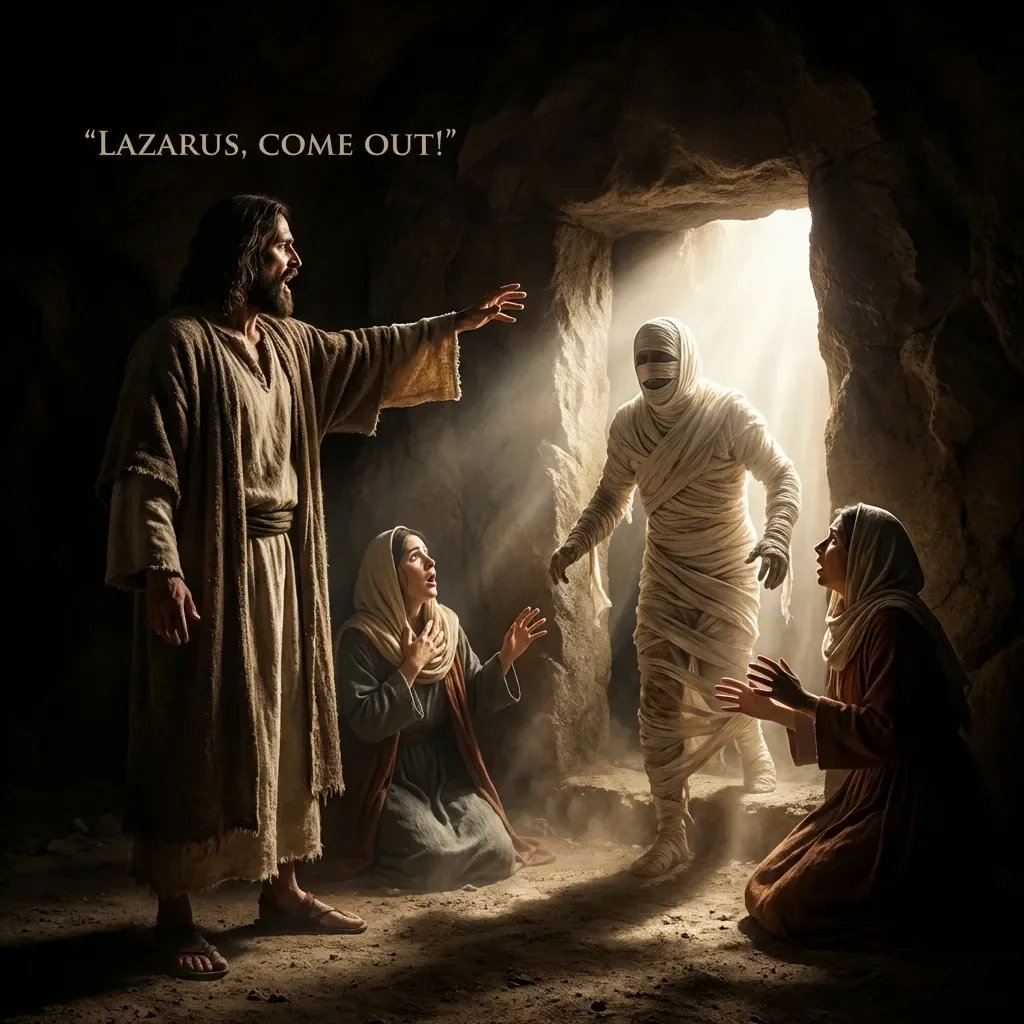
Yes. Even Jesus wept openly at Lazarus' tomb (John 11:35), and devout men lamented over Stephen (Acts 8:2). Grieving is a healthy expression of deep love, and God welcomes our honest tears.
Scripture assures us of God's tender proximity (Psalm 34:18) and the unshakable certainty of eternal reunion for believers in Christ (1 Thess 4:14-17; Rev 21:4).
Practice the ministry of presence: show up, listen without preaching platitudes, weep with those who weep (Romans 12:15), provide practical meals and help, and pray gently for them.